
We are past our most recent blizzard, past our sub-zero weather last night, and now we are starting to see larger numbers of Robins. It is a wonderful moment on this St. Patrick’s Day, and I am hoping that Spring truly is beginning.
And so, after the long wait, with lots of computer time to keep my mind “garden happy”, we will soon be starting to plant daylily seeds. A few weeks yet, but soon.
While I waited for this time to arrive, I continued to work on the Historic part of what I want to do with the daylilies. I recently took the time to look up the introduction dates of our daylily inventory, spurred on by the discovery that Autumn Red is 85 years old. I found that many of our daylilies are technically considered historic. The AHS (American Daylily Society) classifies a daylily as historic if it is 30 years old or older. Most (all but four) of our daylilies are older than that, and some are quite a bit older. A large portion of our inventory has been crossed, which, of course means that my work with historic daylilies is technically much farther along than I thought. I still want to work with old, old, old daylilies, but wow! Now my mind is full. And I needed to know more. So, I dug deeper.
Along the way, researching parentage of the older of the historic daylilies, I also discovered that ploidy was often changed with a thing called colchicine. What in the world!!! Yah, I can write on that in another blog, but colchicine is responsible for getting us tetraploids, and since South Seas (a tetraploid) is my best self-seeder, and the entire focus of my 2026 planned daylily crosses, I then started to wonder – do tetraploid self-seed daylilies ever go back to their farther back parentage and then change ploidy, back to diploid? I know some of our South Seas self-seed results are pod fertile, and that they cross with tetraploids, because I did crosses and got seed. Whether that seed goes to seedling will be seen in a few months, and bloom years out. But this year I only plan to add four daylily crosses, and they are all from South Seas self-seed. Two of them are with Hello Yellow (whose parentage is unknown) gasp! And one is with two South Seas self-seed. Oy! What am I doing? And will I start creating situations where ploidy changes? I need more research! 😉
And that is what I have been up to.
There is so much to learn! I think I will probably be very busy researching until the daylilies start to bloom. That is a very good thing.
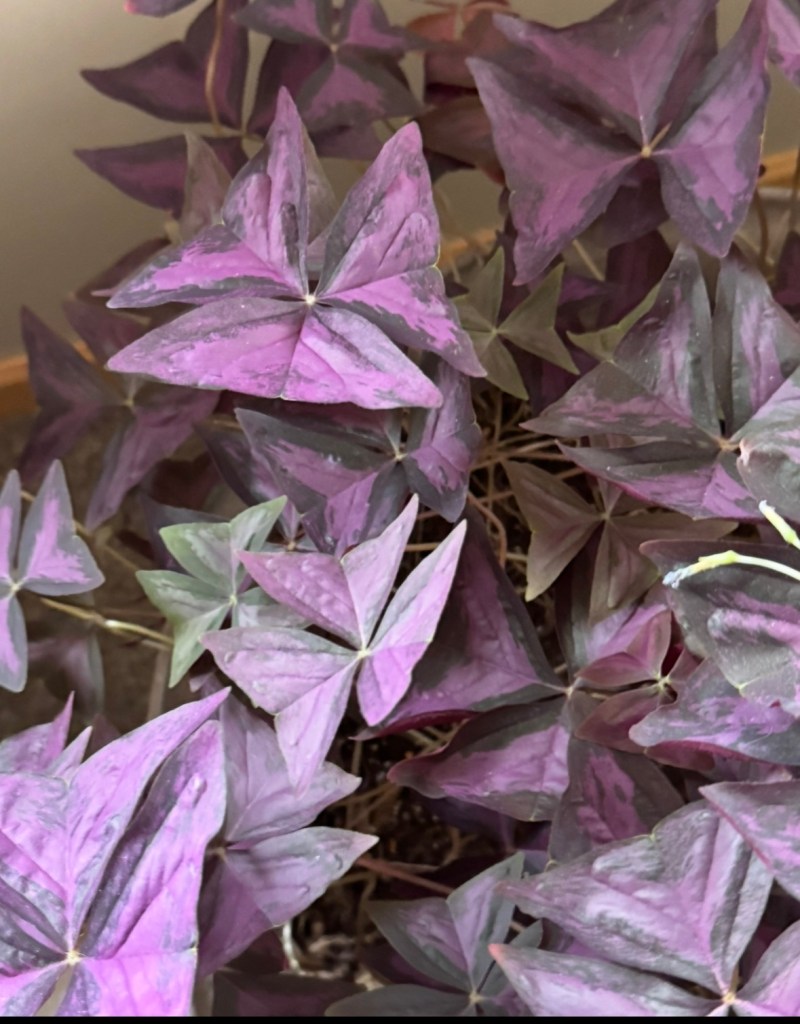
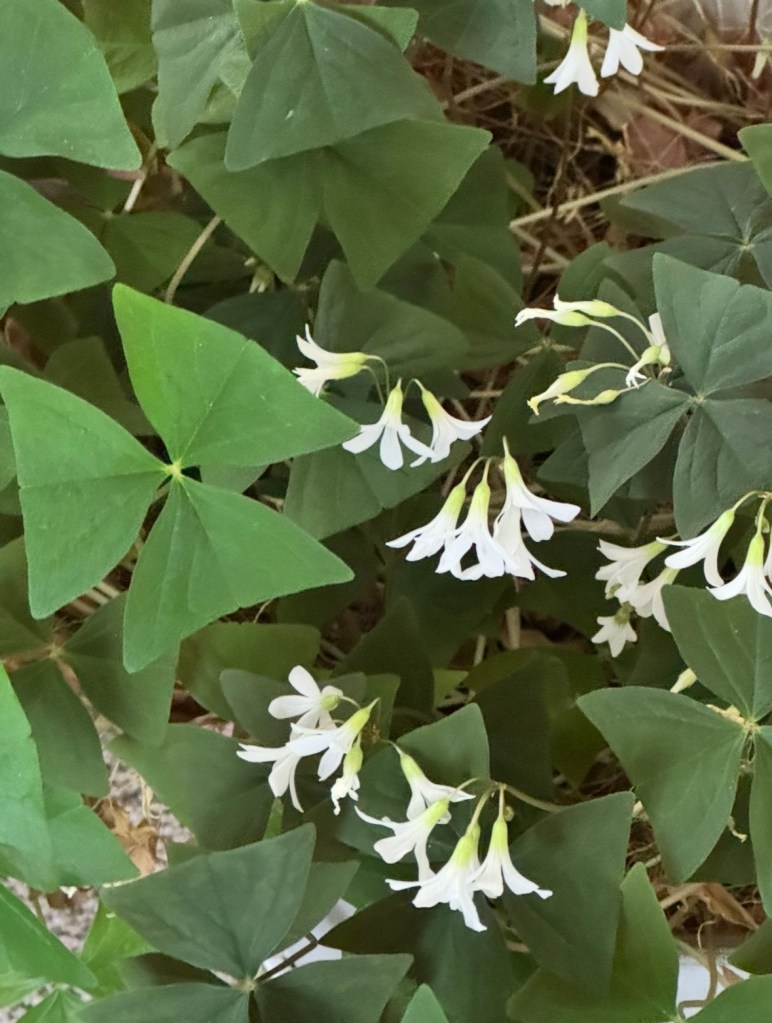
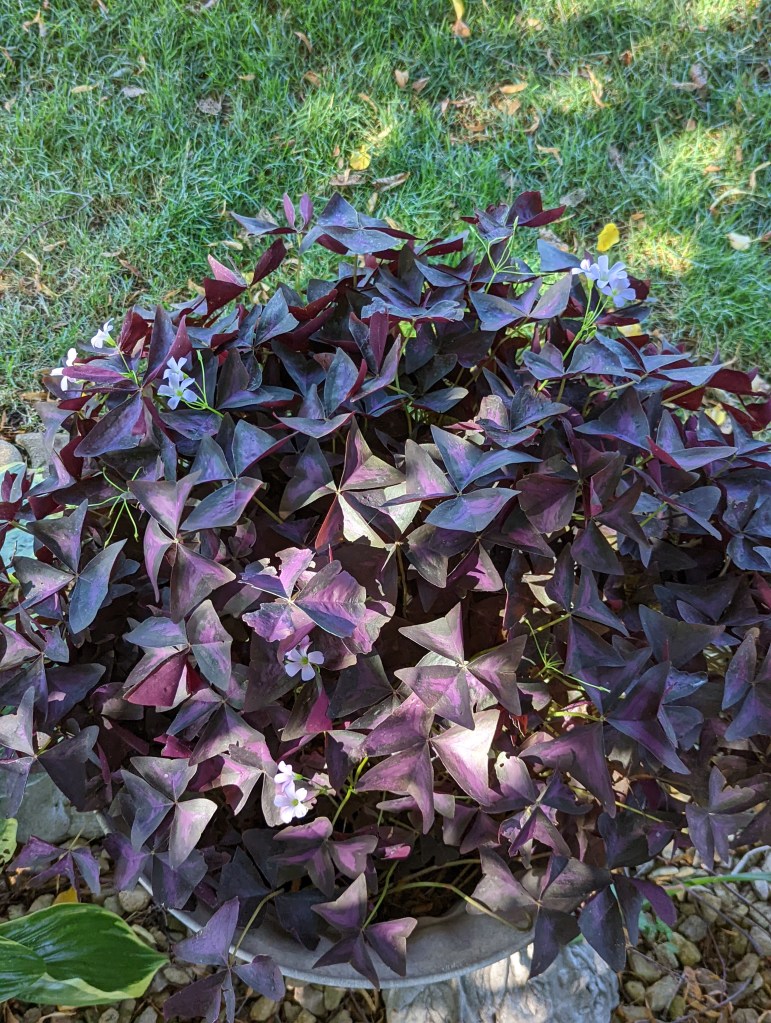
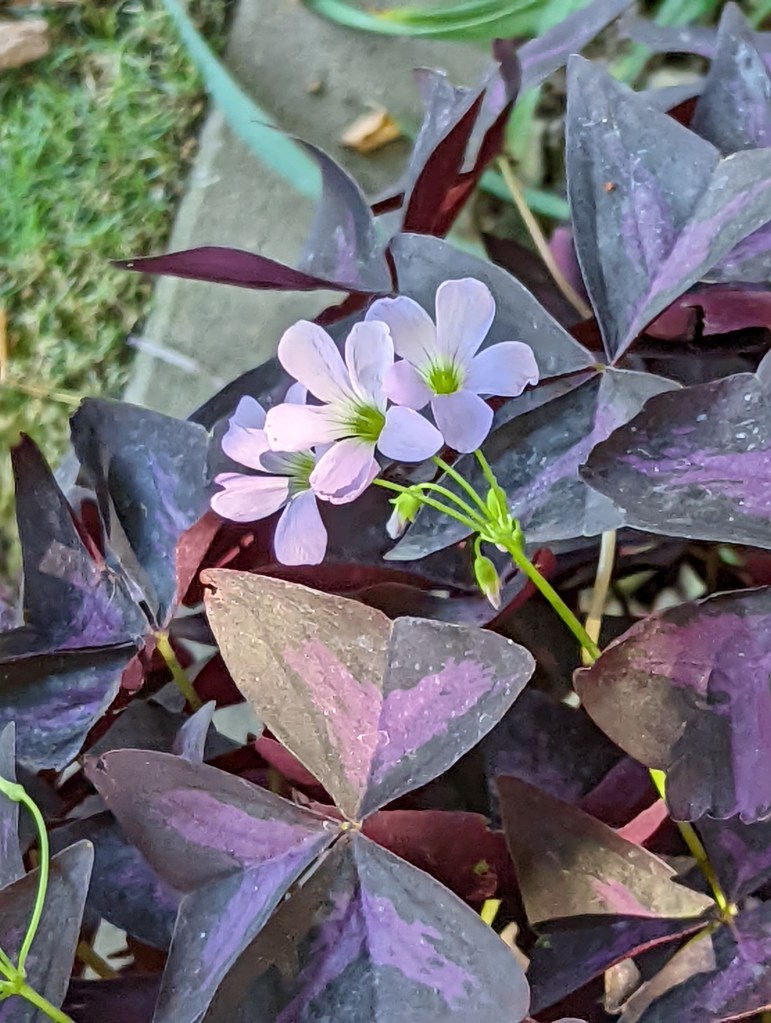
In the meantime, todays pics are holiday appropriate – shamrocks that I over-winter.
Be Blessed!








 Susan's Daily Garden