
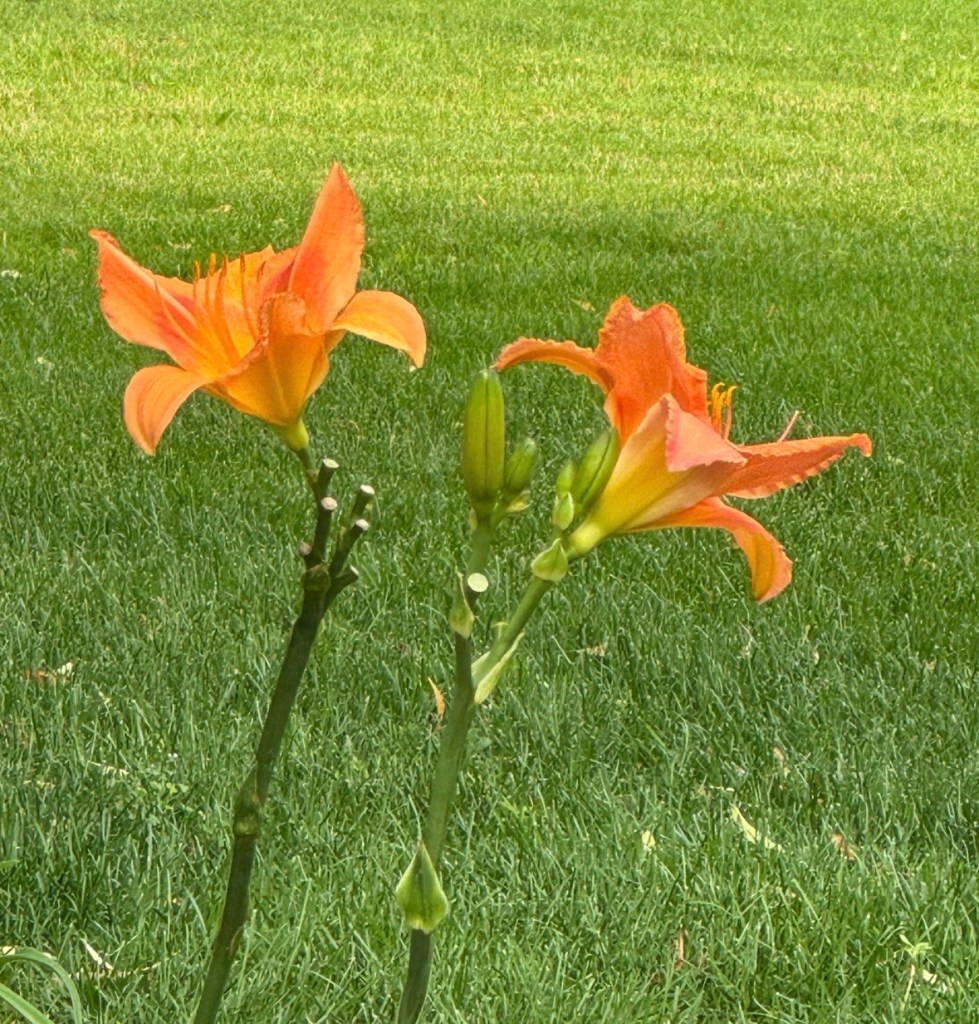
As I wait on spring, and as I garden plan, I am looking at my data. Lots of data. Enough that I did a pivot table last fall.
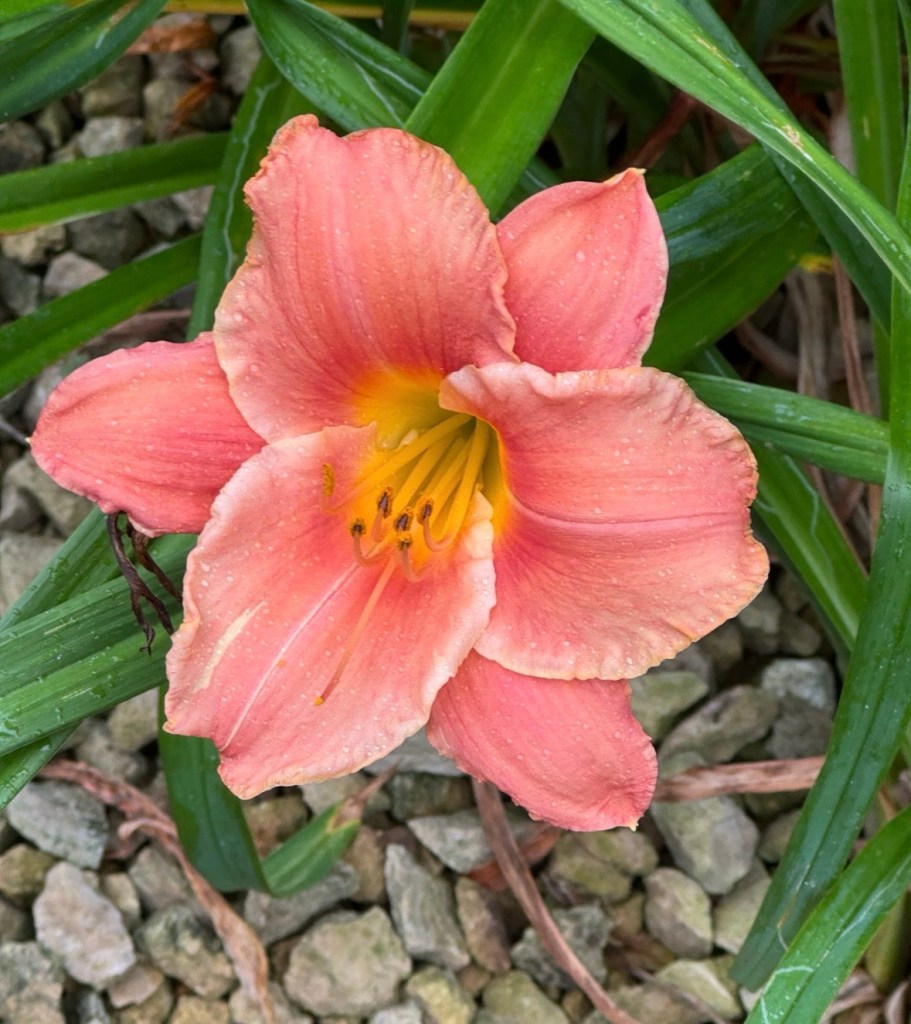
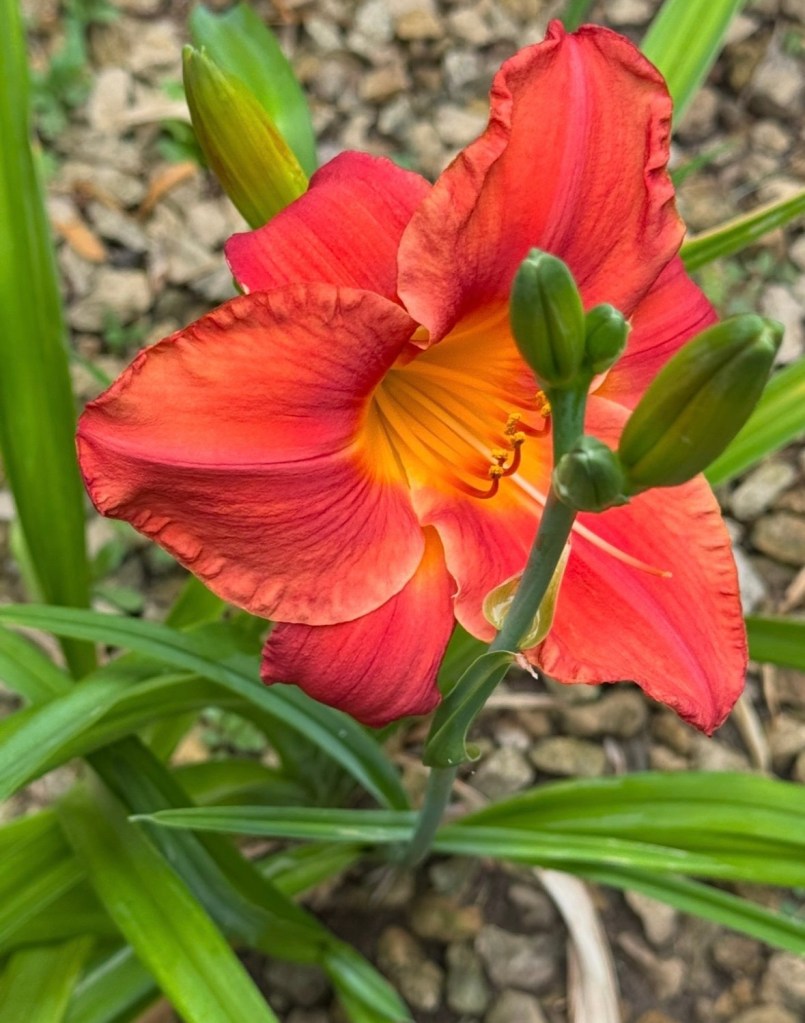
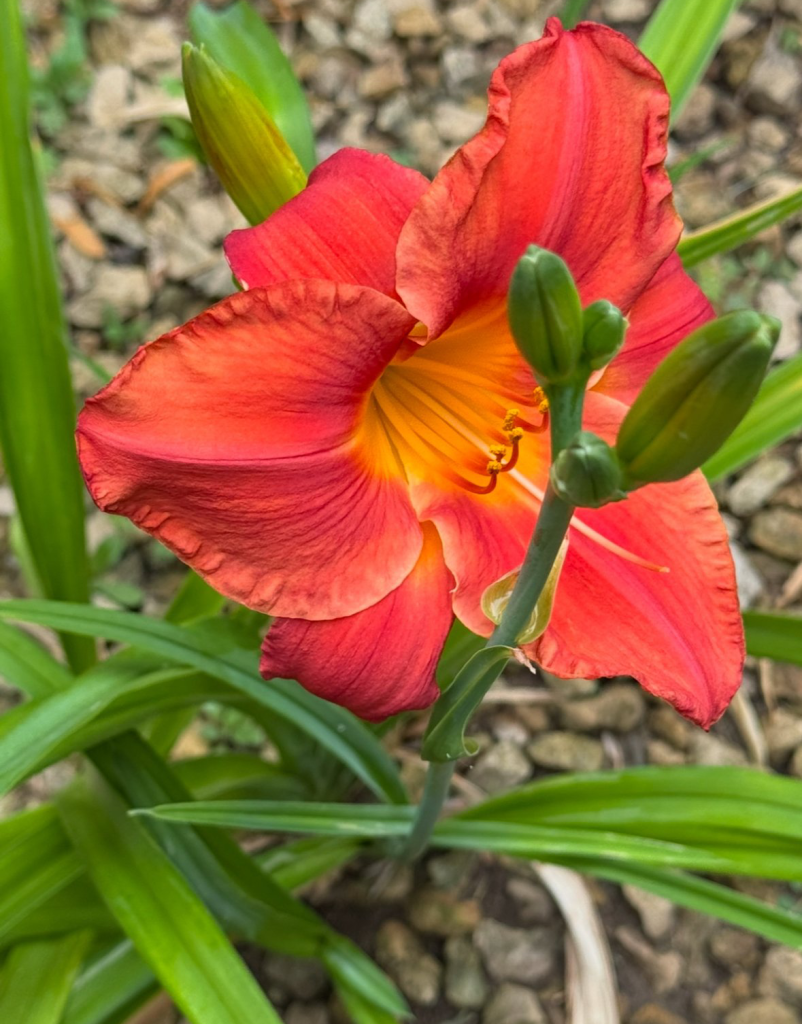
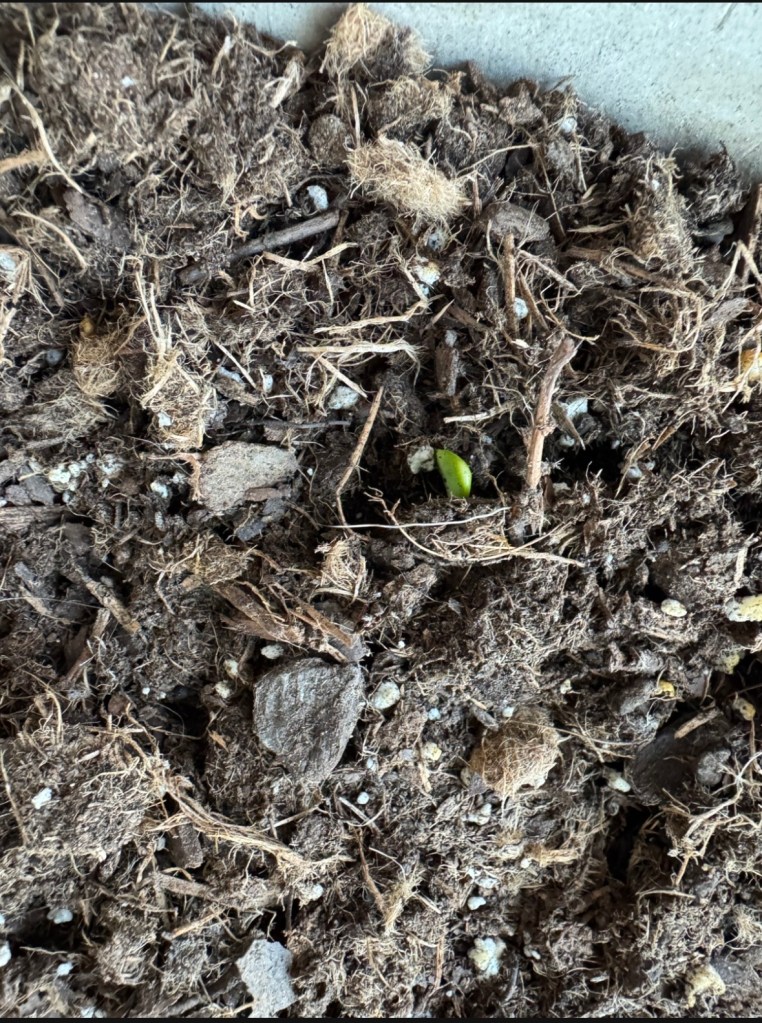
The pivot table tells me diploids do exceptionally well here at quantity to seedling from hybridization. And specifically, intentional crosses with the Red daylilies and the Pink Tirzah daylilies account for 61% of the diploid seed harvest in 2025 alone. Since I have a fair amount of the same type of seedlings already in the ground from 2024 and since daylily hybridization is a long game, and I am not sure if I will even like the results when they do bloom, if they bloom, I think I can make some data driven decisions there.
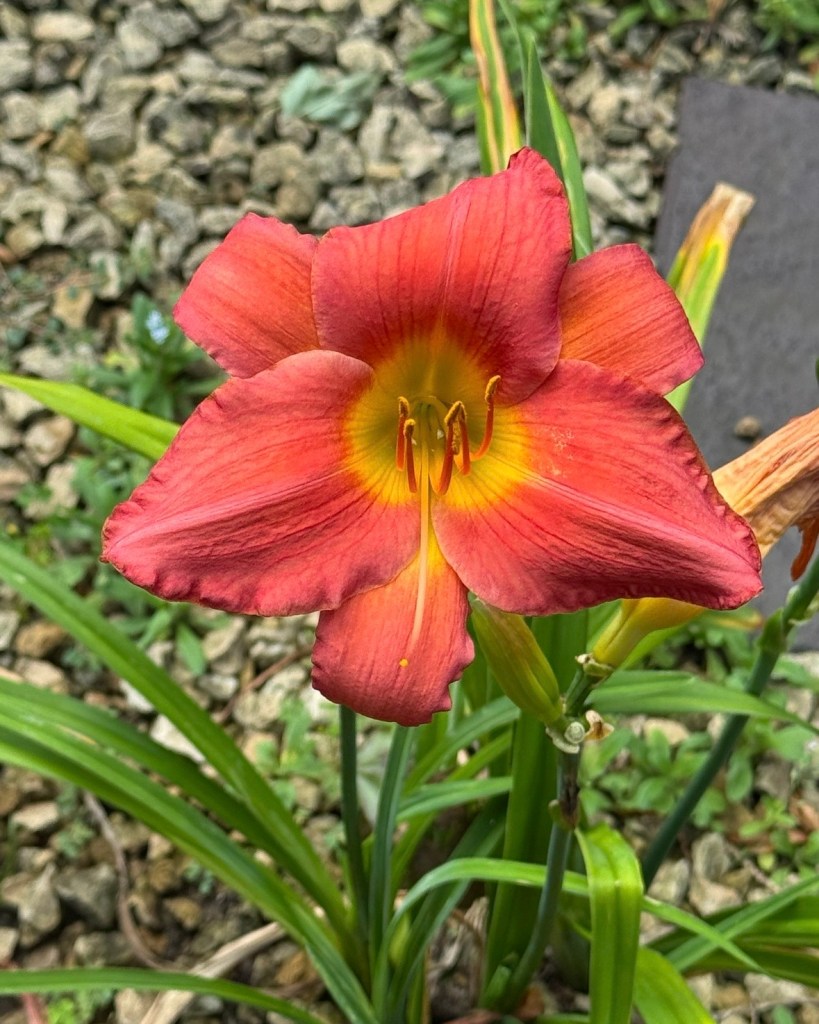
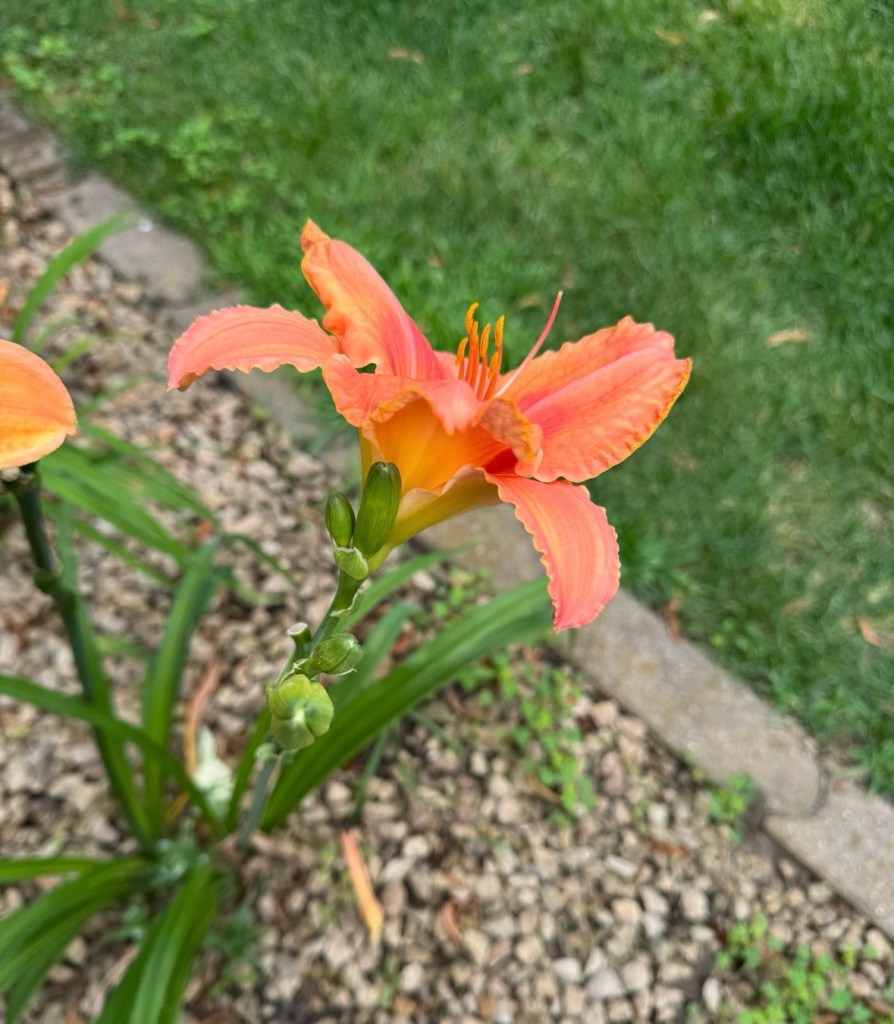
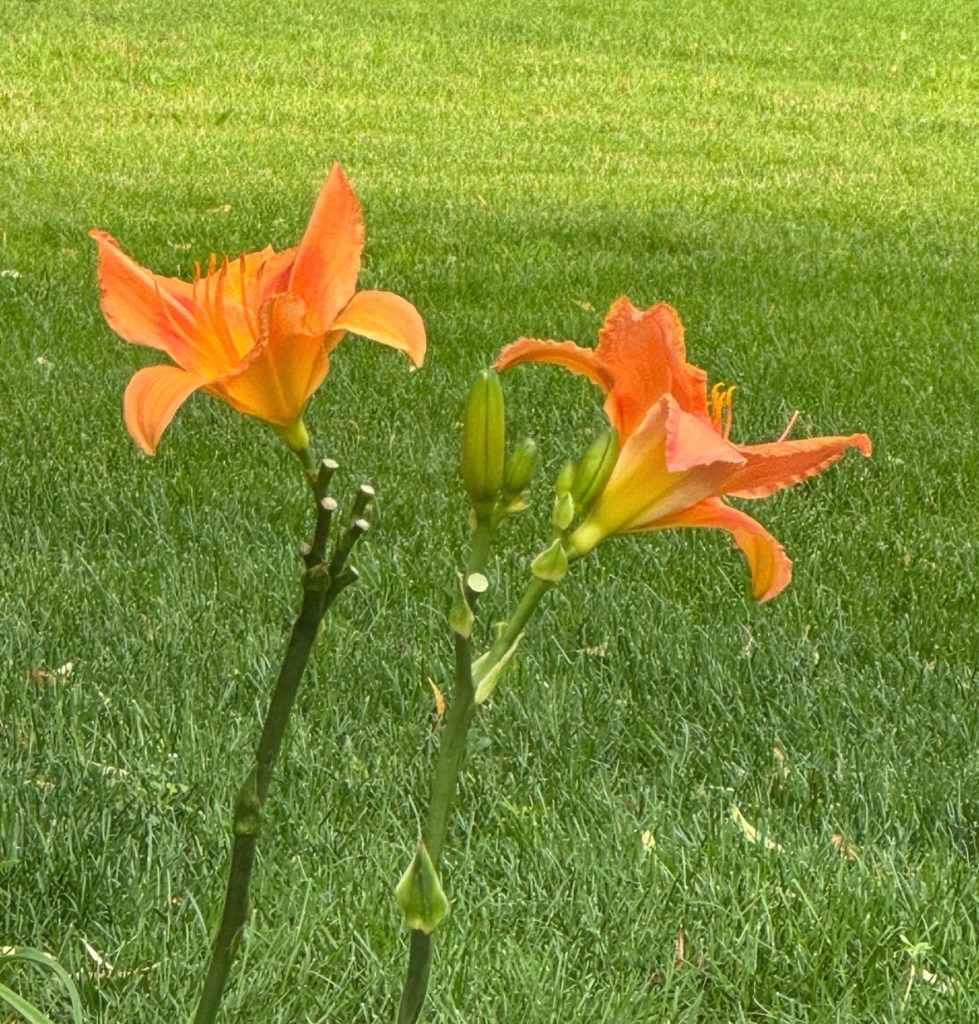
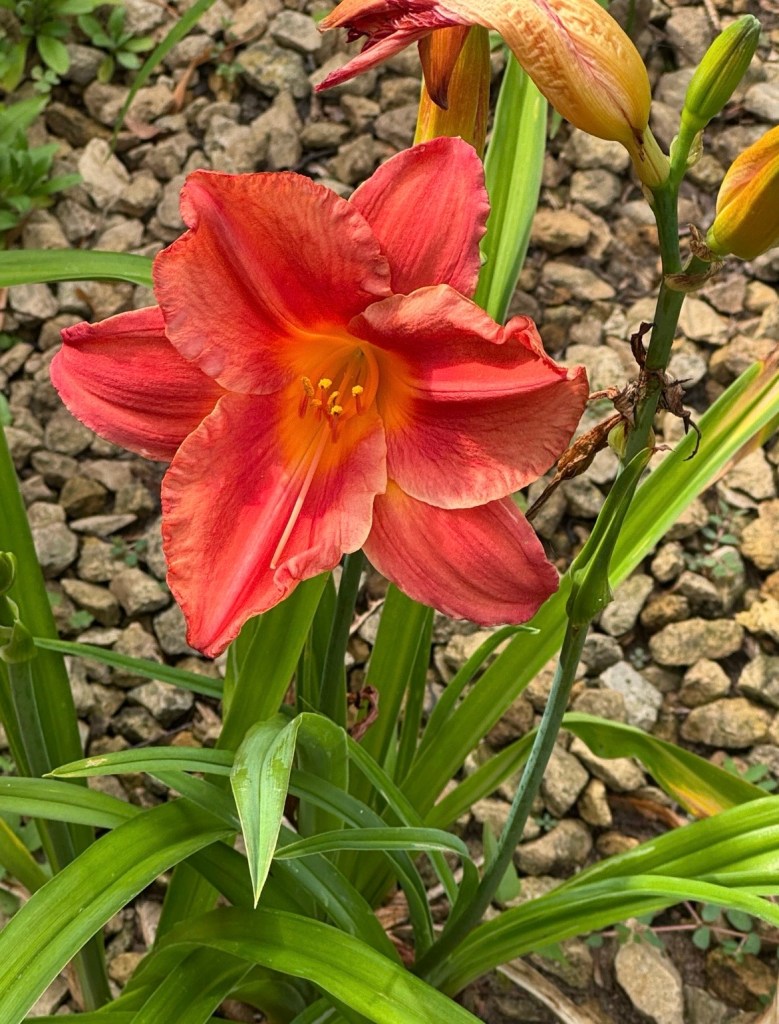
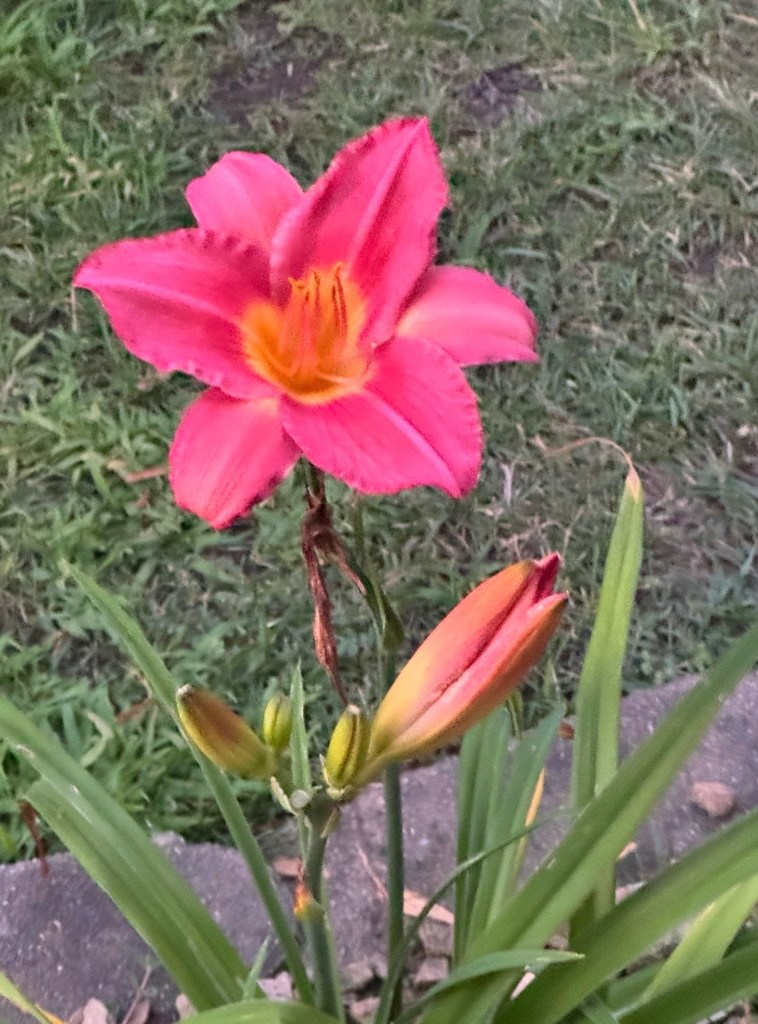
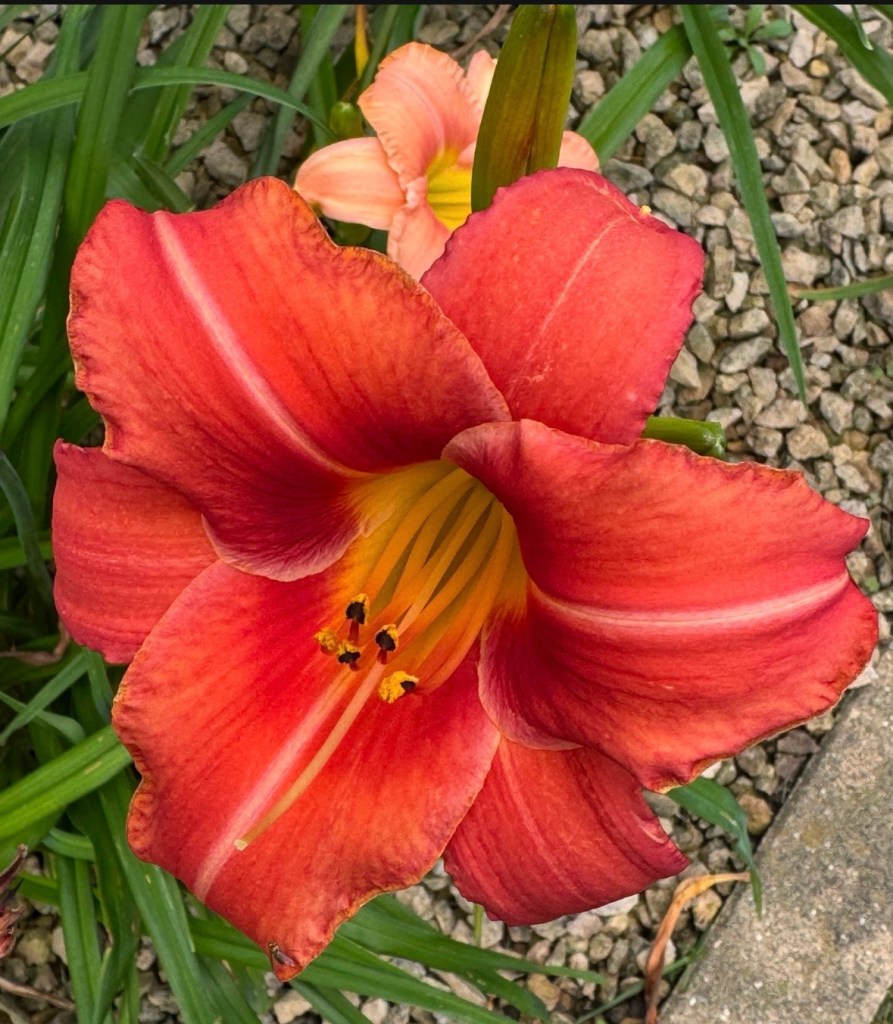
- I will not do intentional crosses with the Red daylilies in 2026. I will, however, continue to allow self-seed.
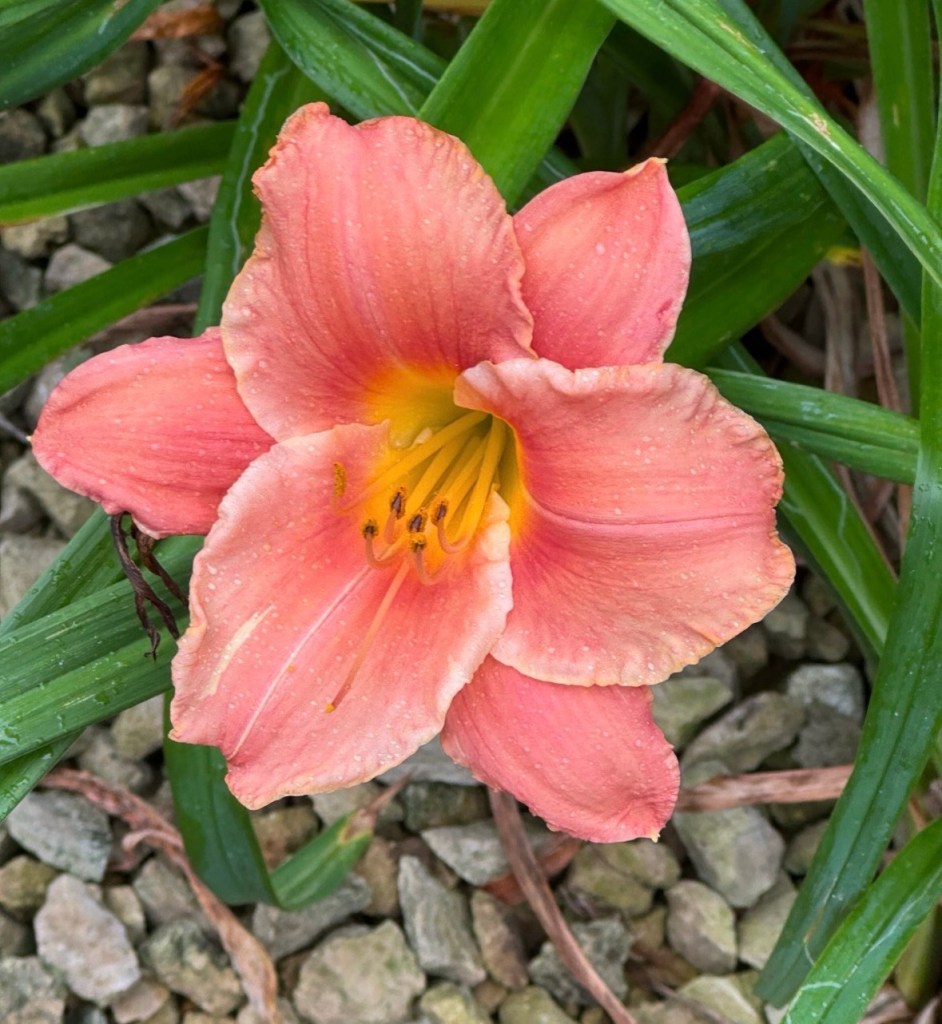
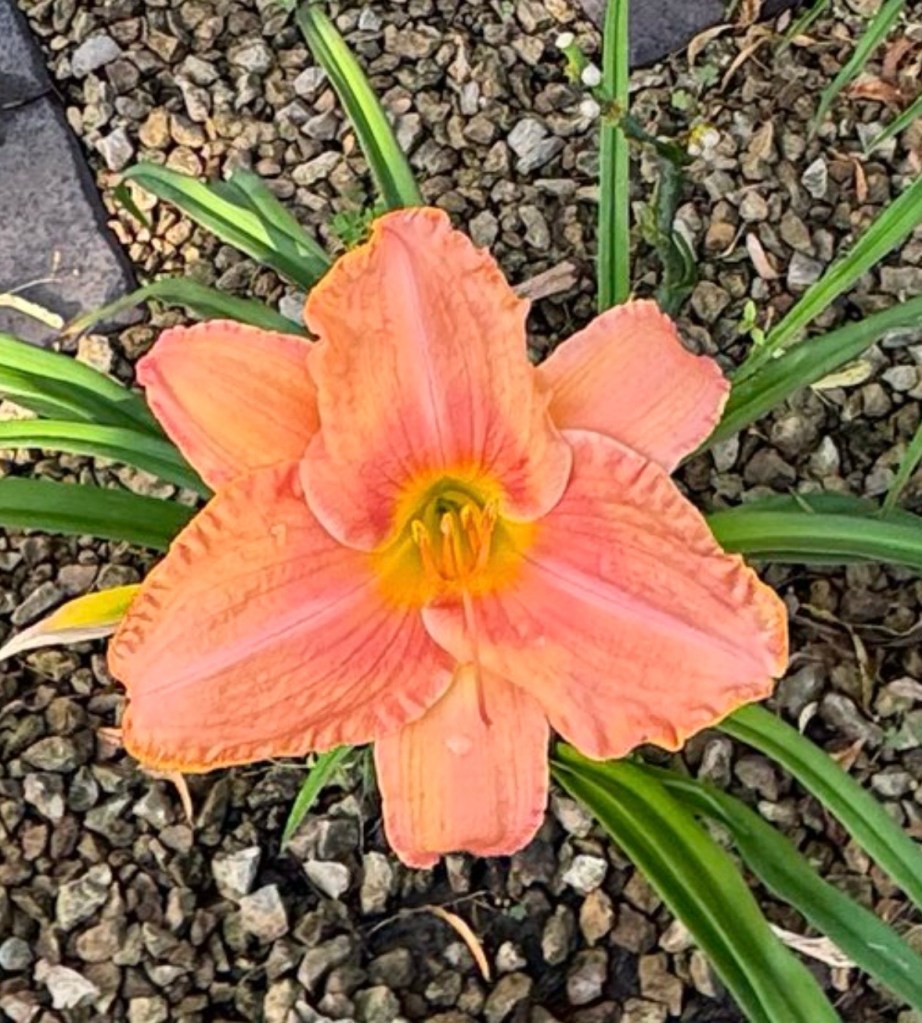
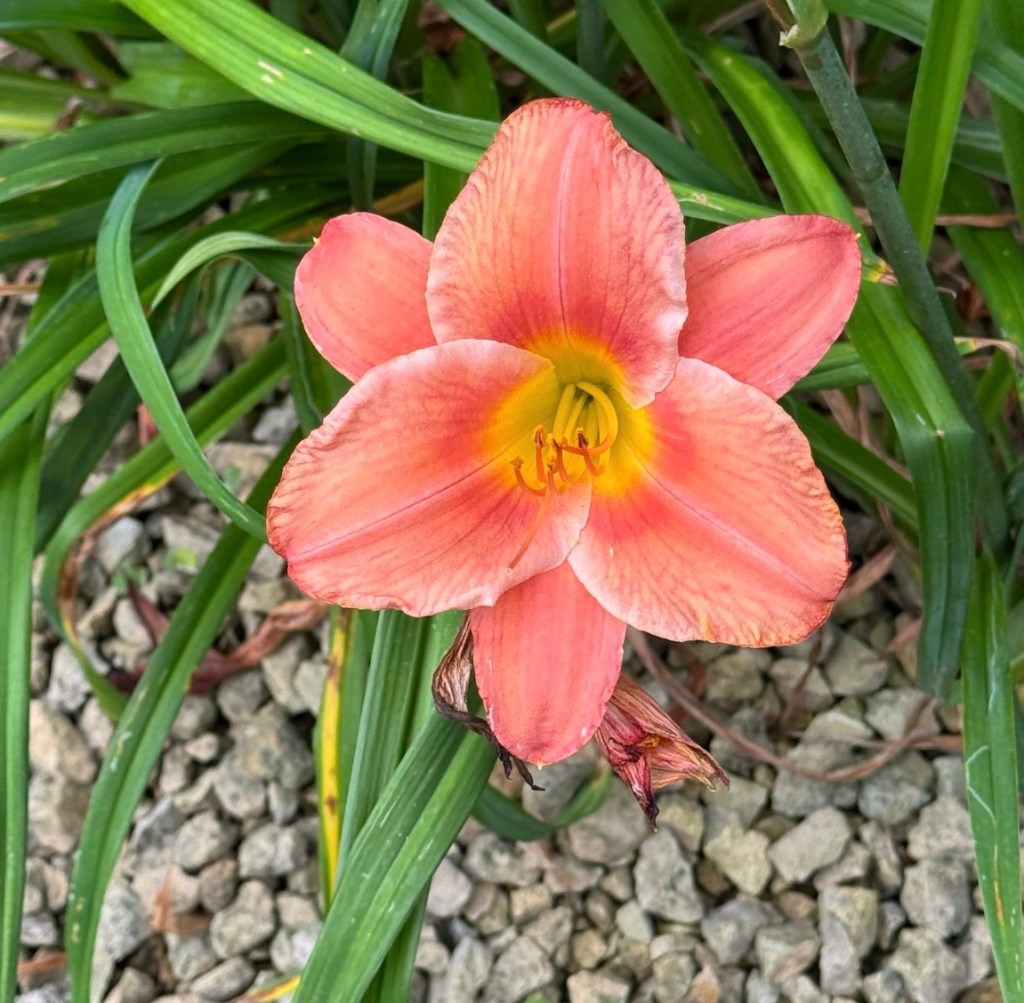
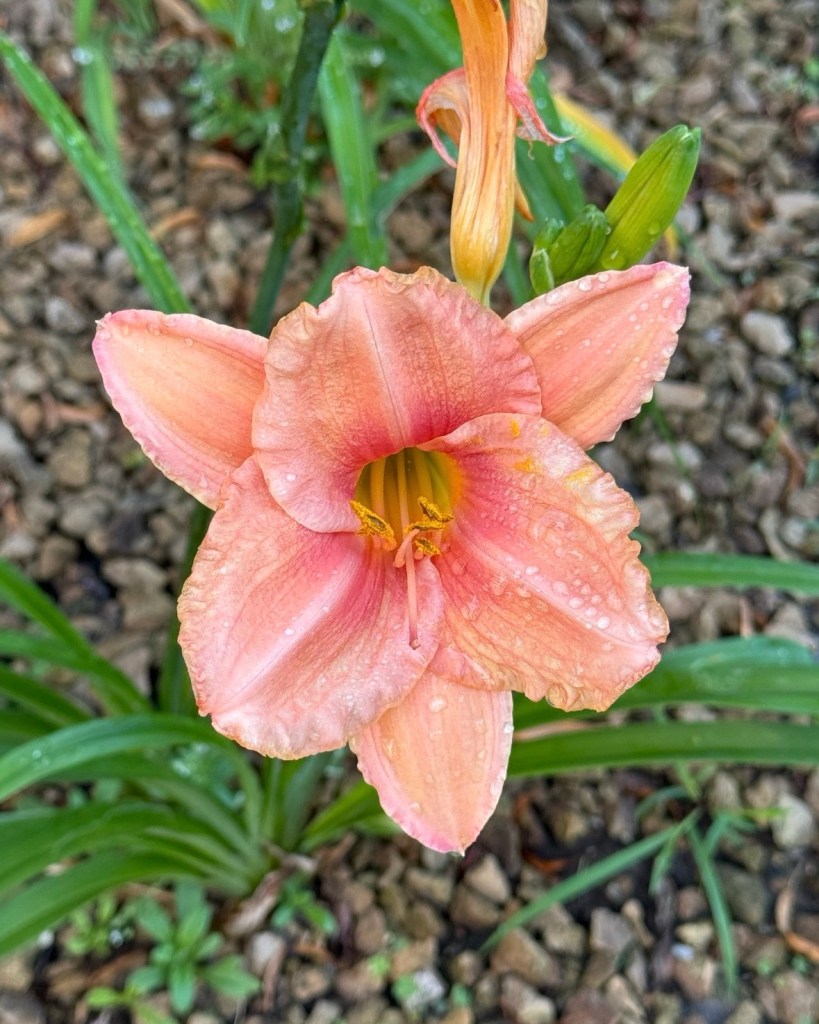
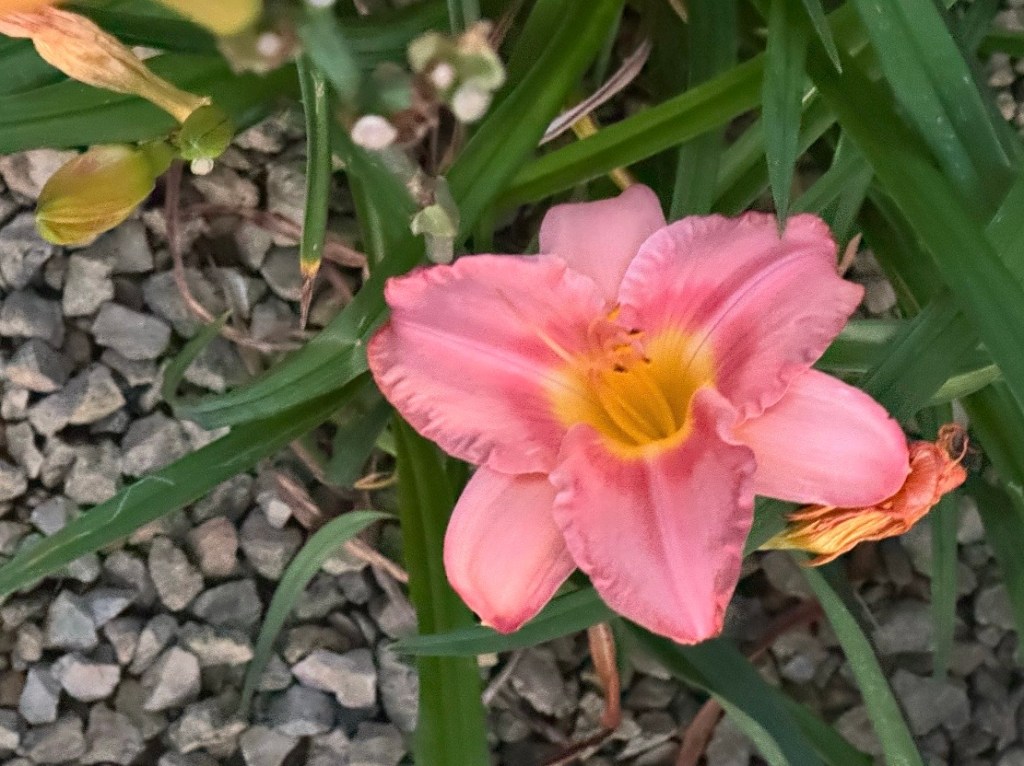
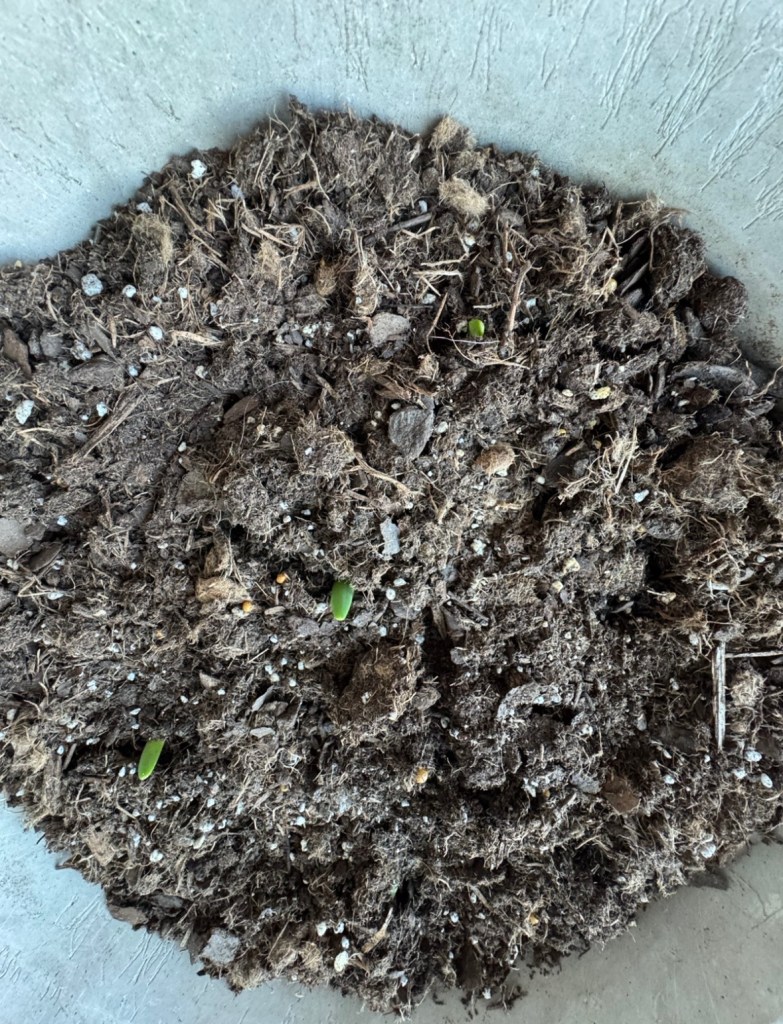
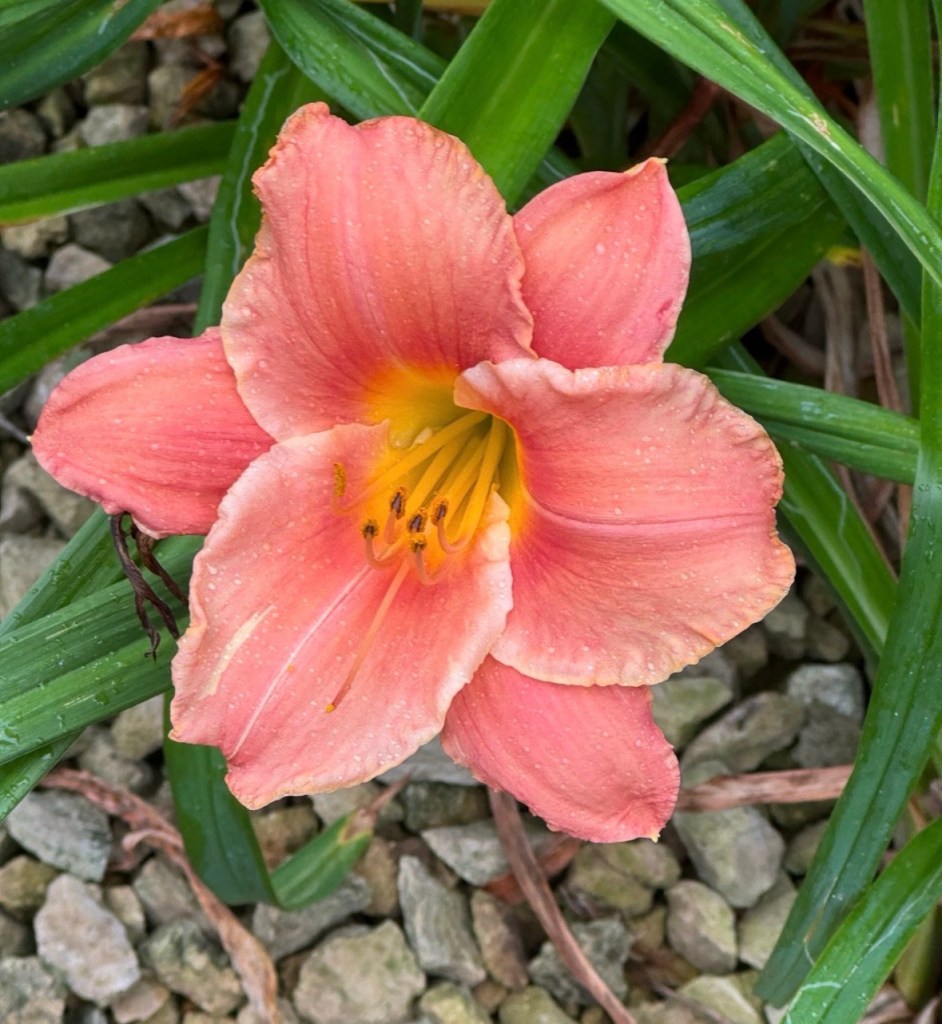
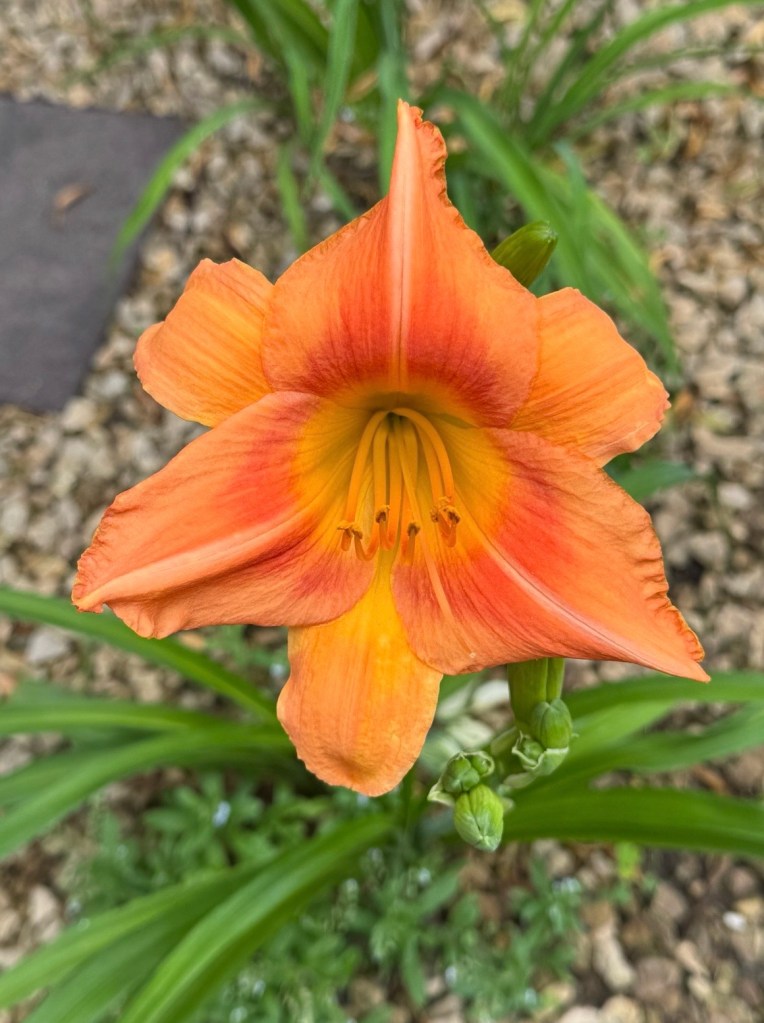
- Since Pink Tirzah has not produced viable self-seed in our gardens, I want to test that out in 2026. Pink Tirzah will still be a planned pollen parent in 2026, but any viable seed Pink Tirzah pods produce in 2026 would be self-seed.
Those two diploid decisions alone should get me to my goal of simplifying to something more manageable at seed harvest time. Those decisions do not give me pause at all.
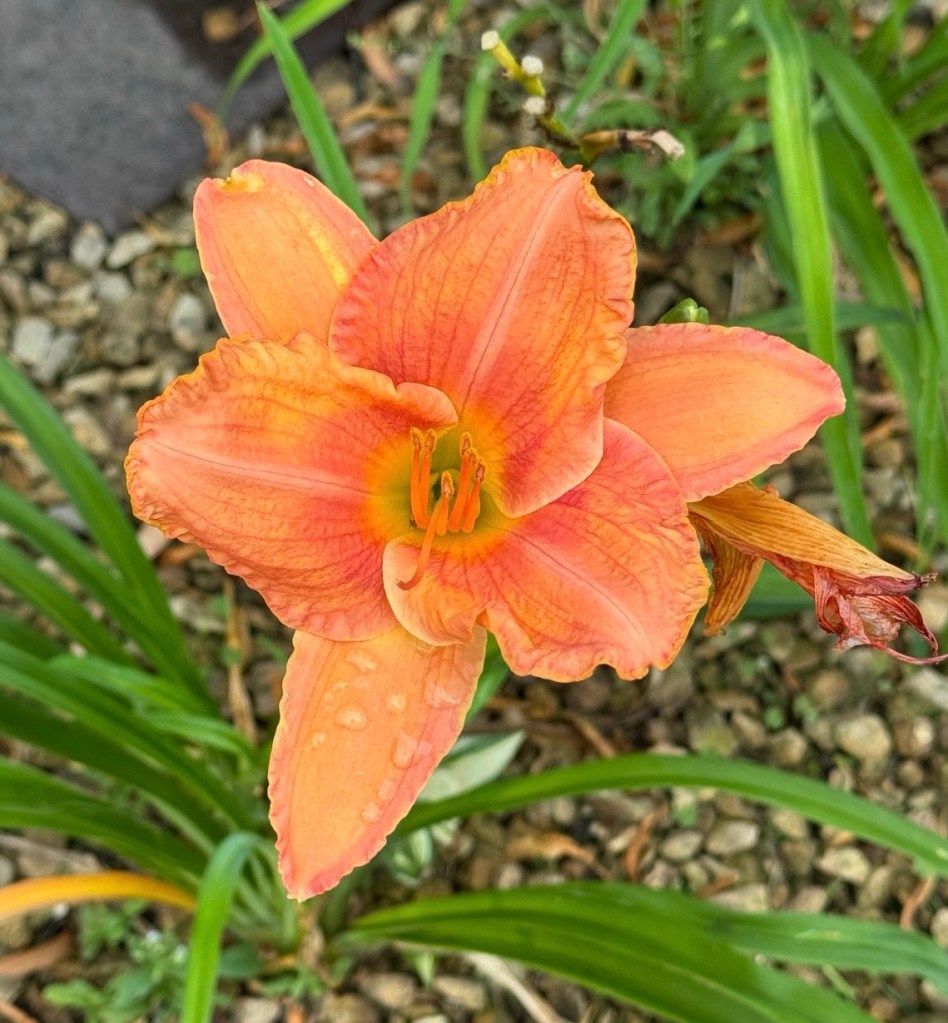
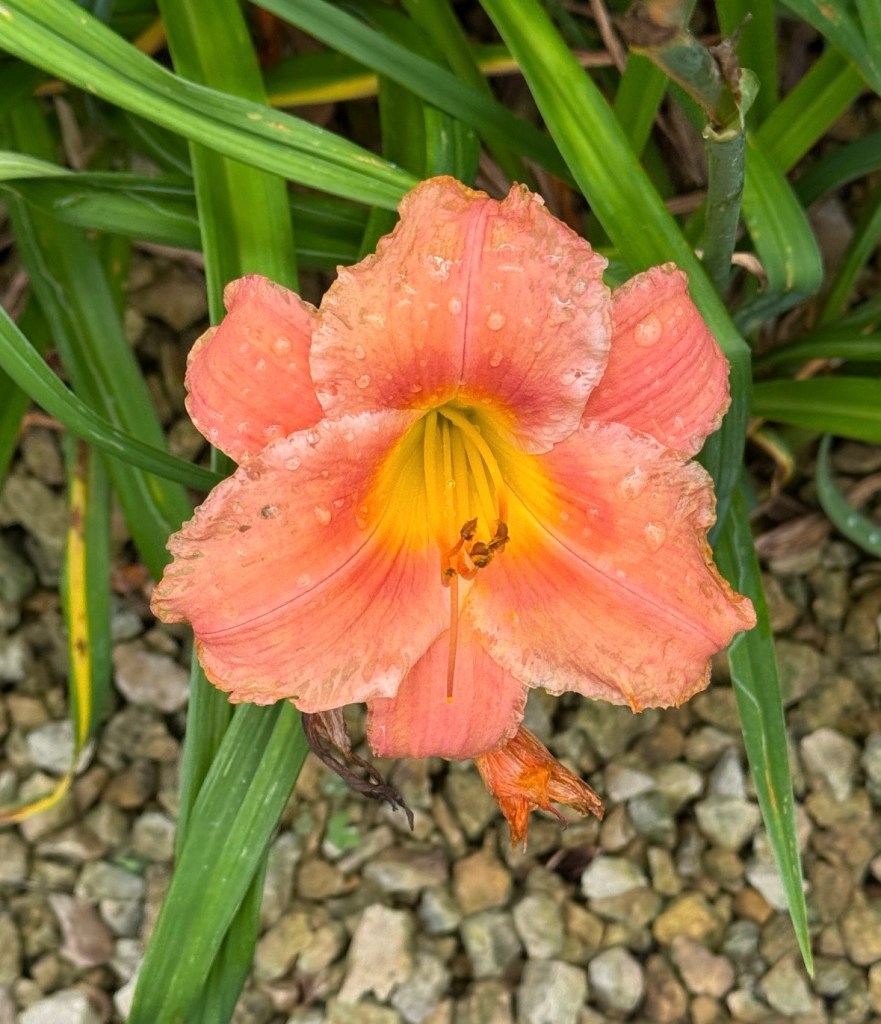
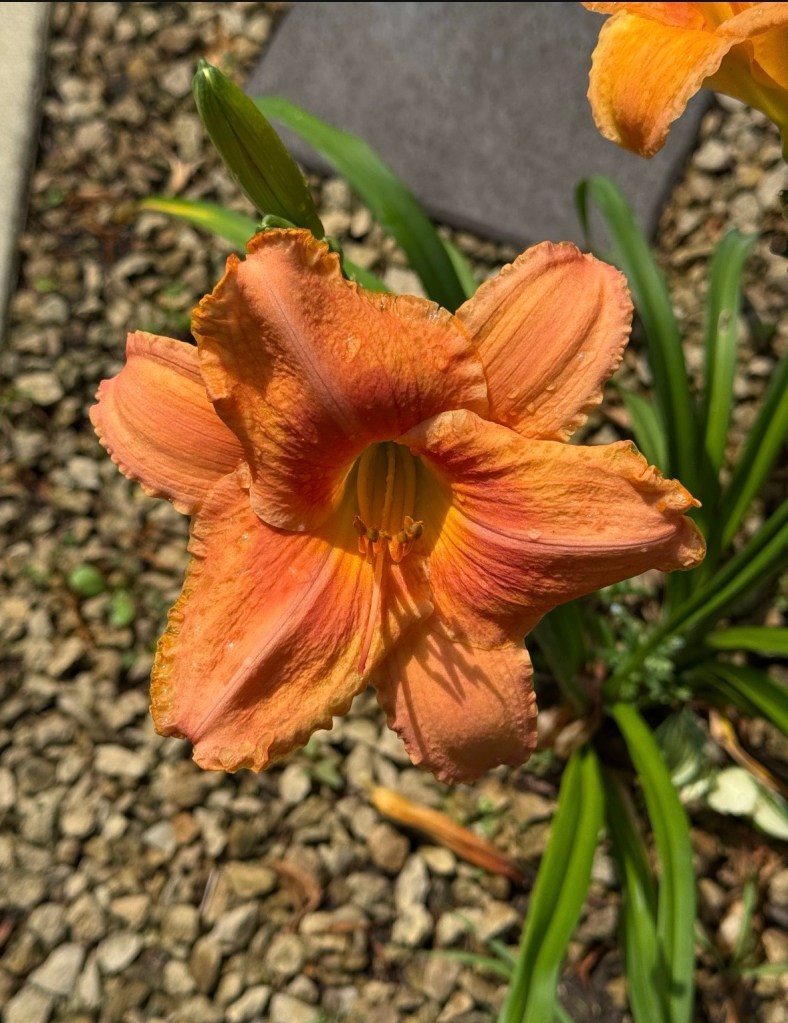
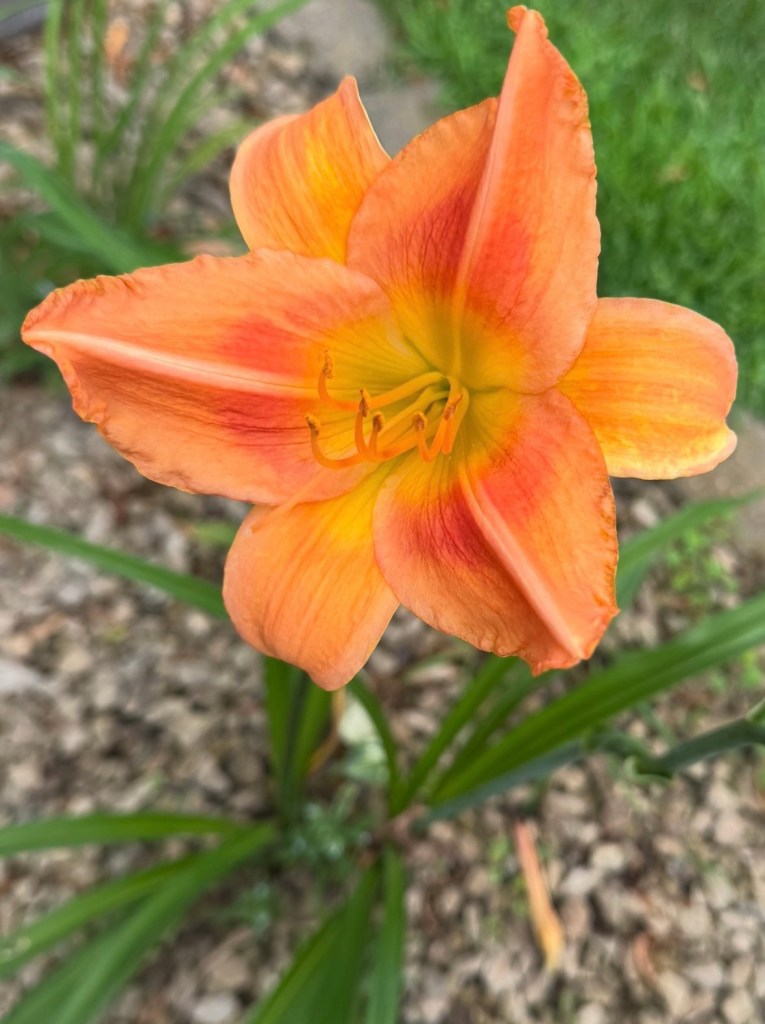
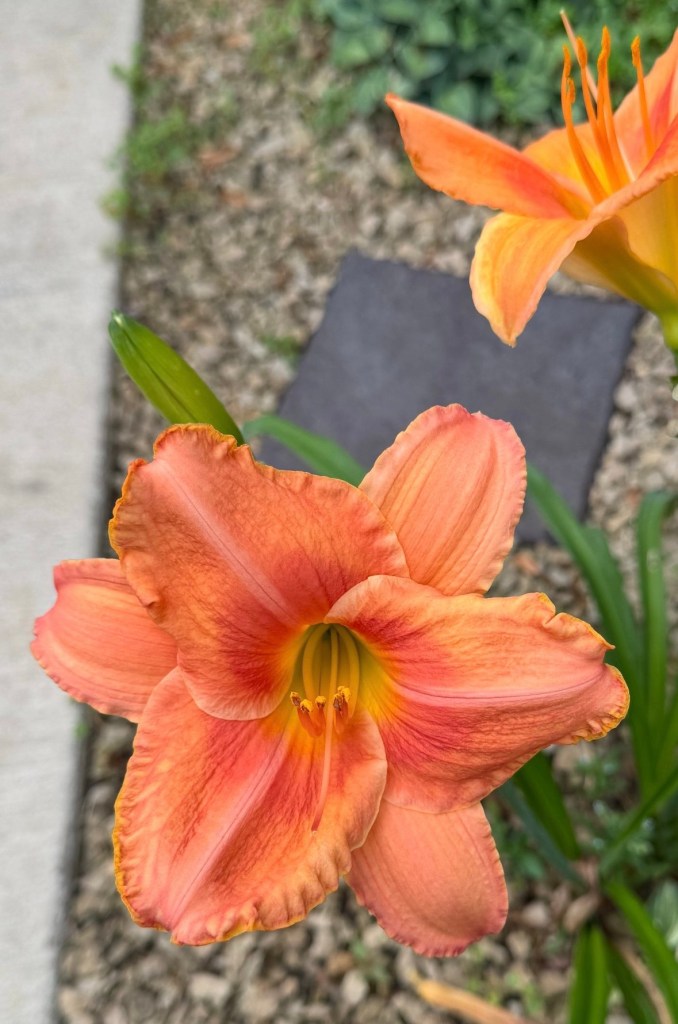
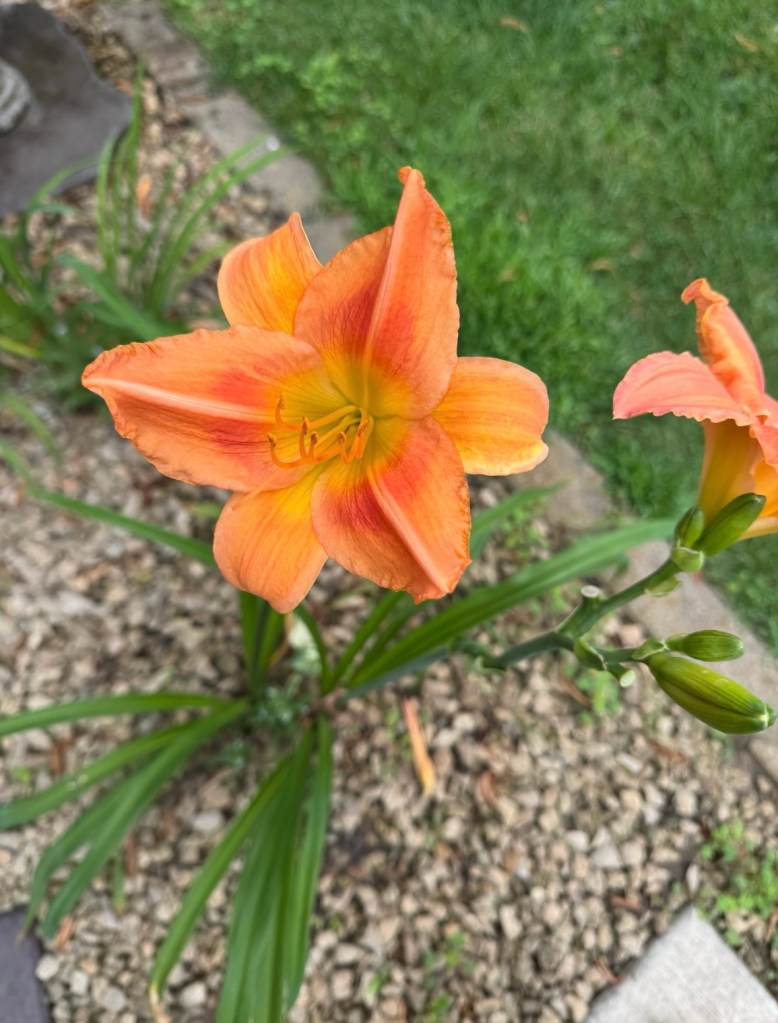
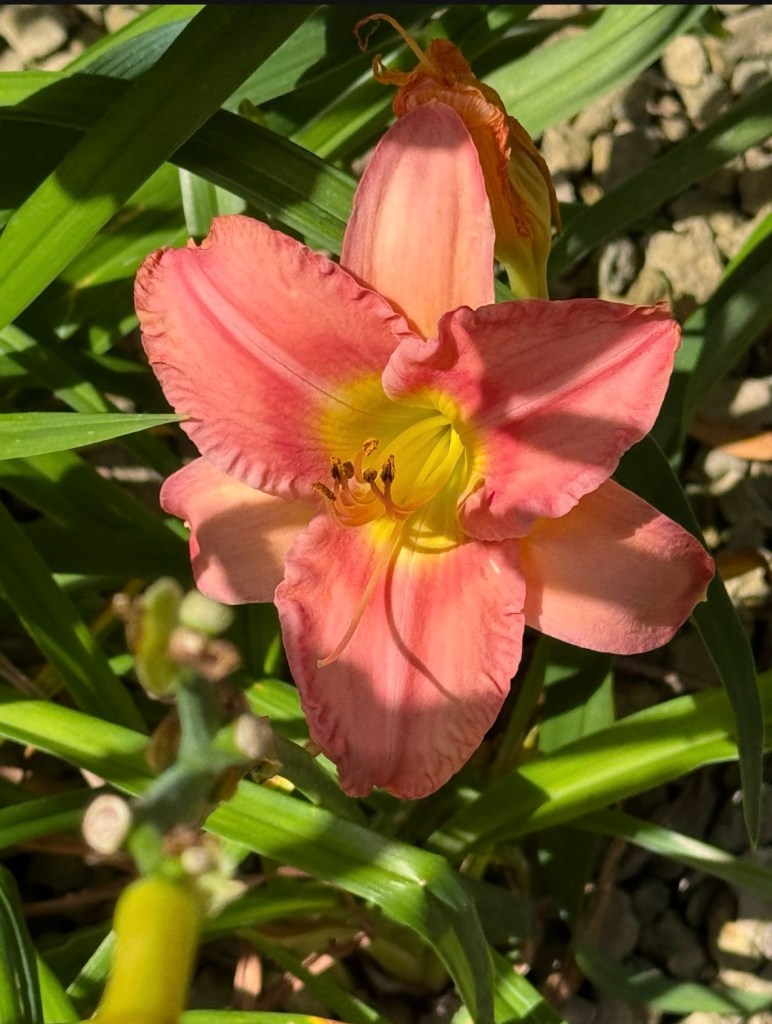
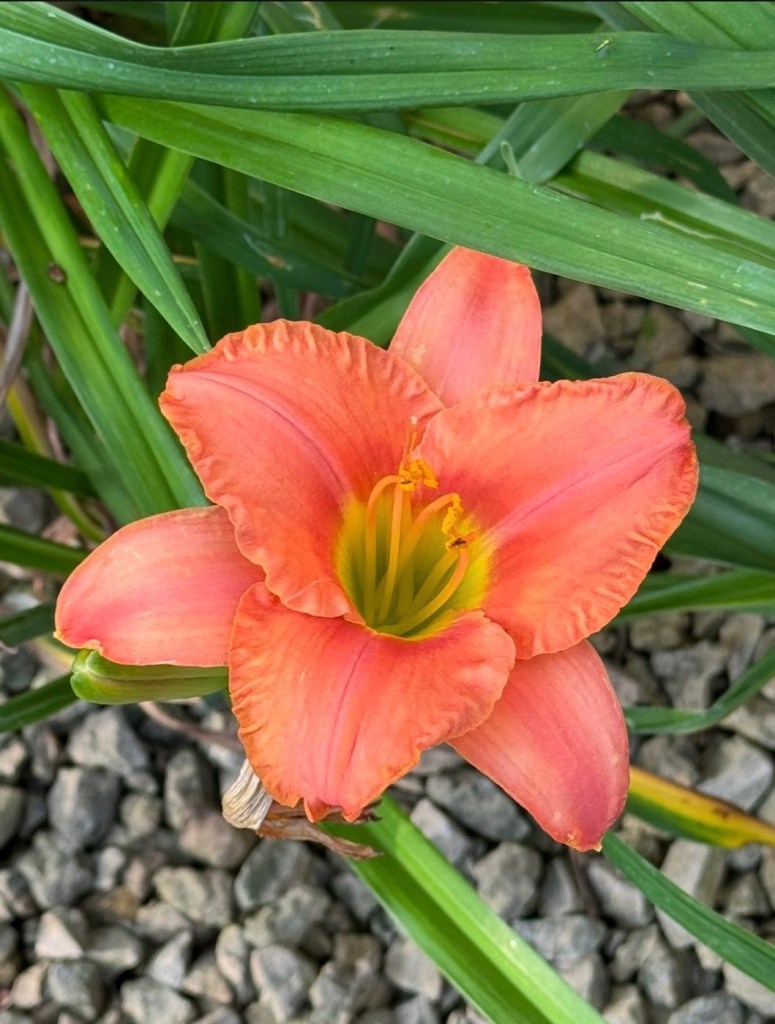
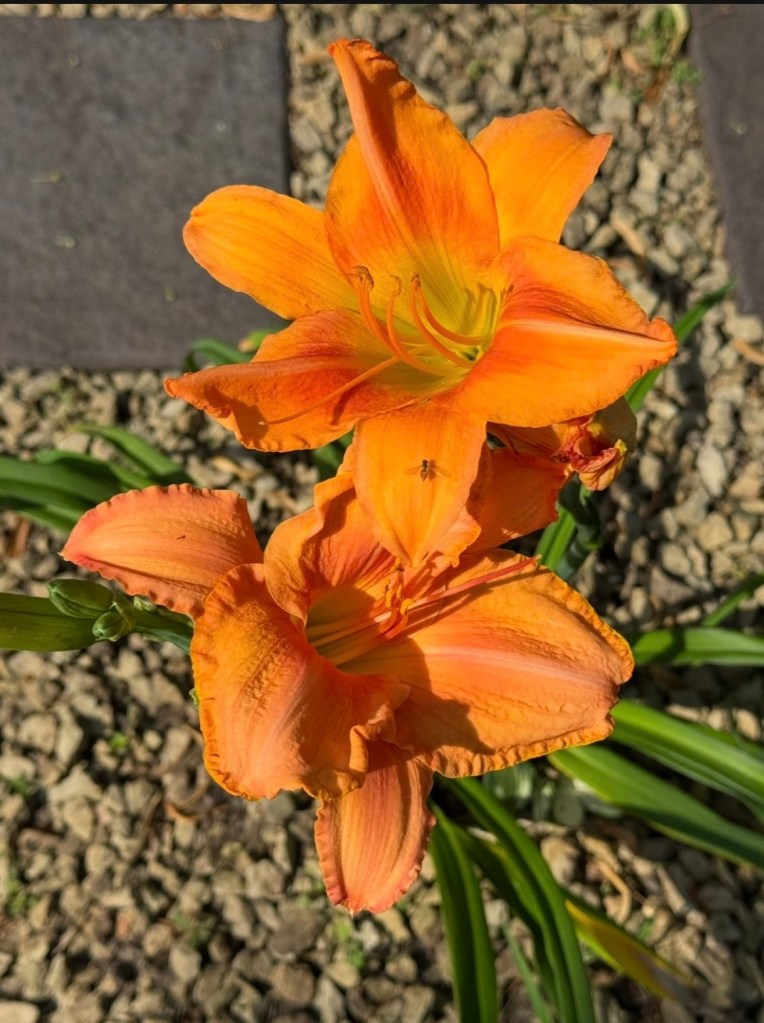
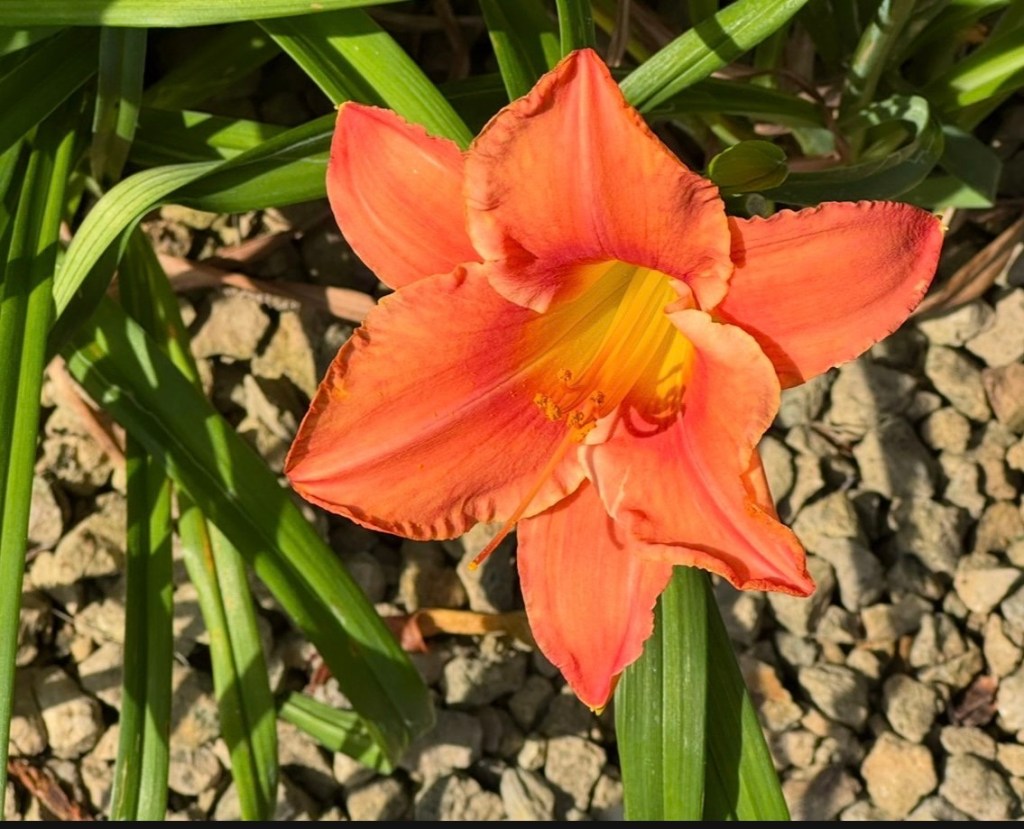
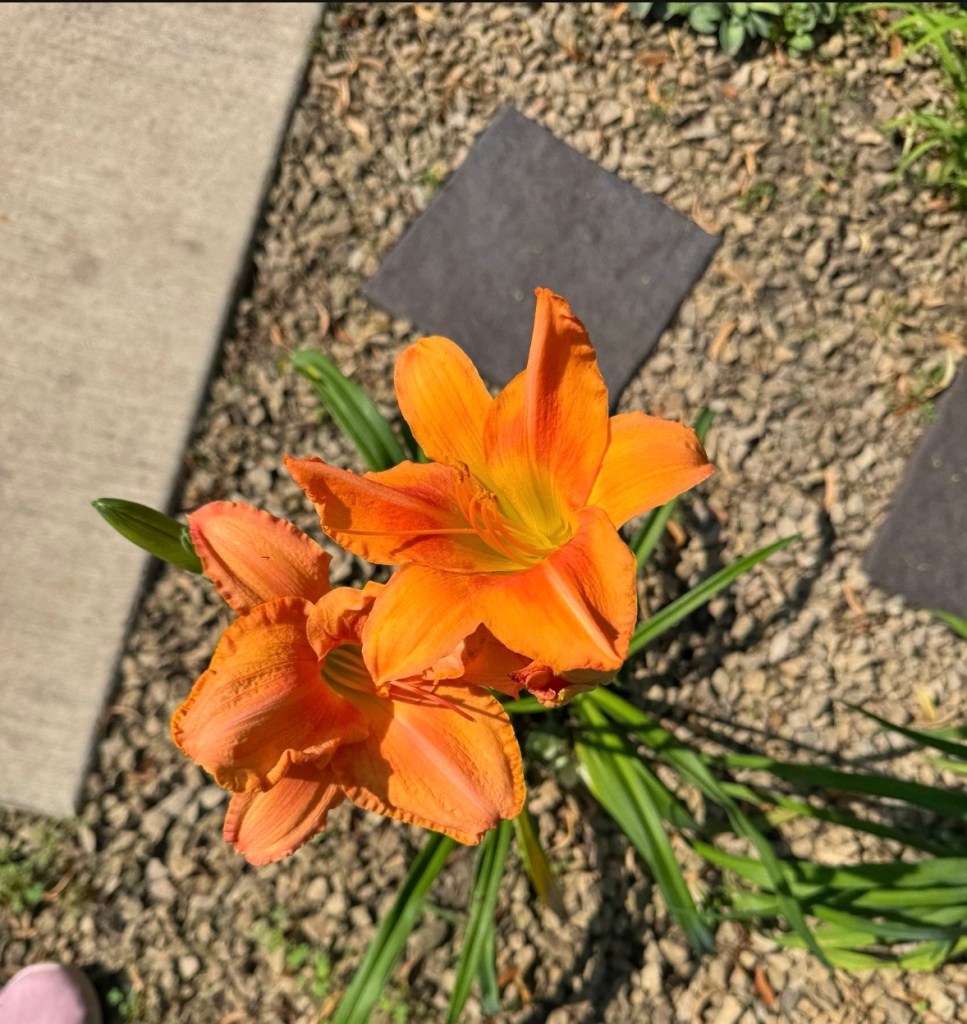
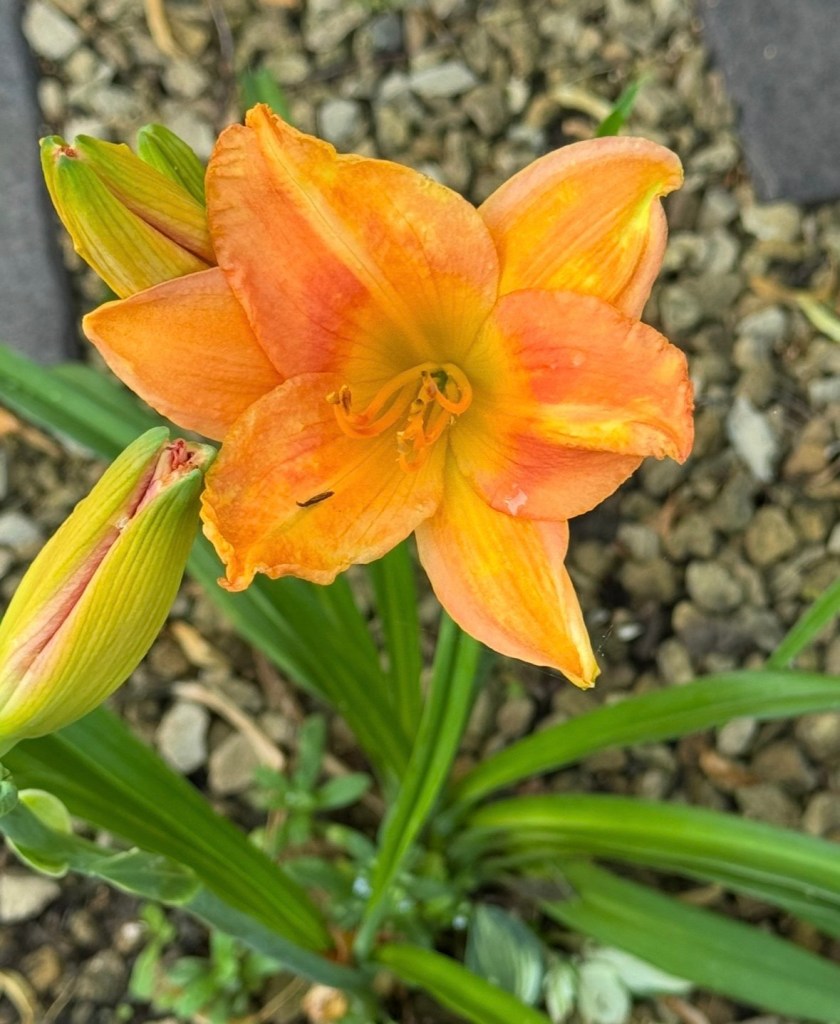
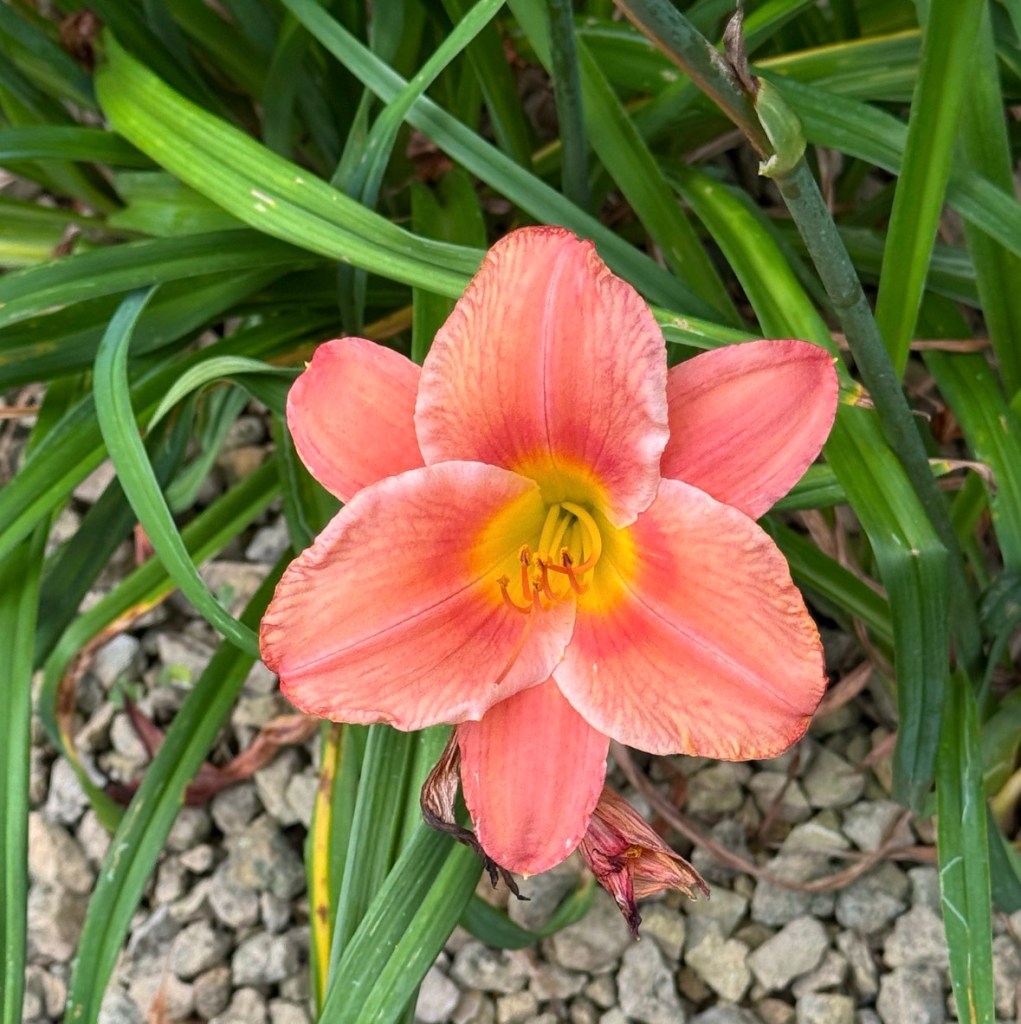
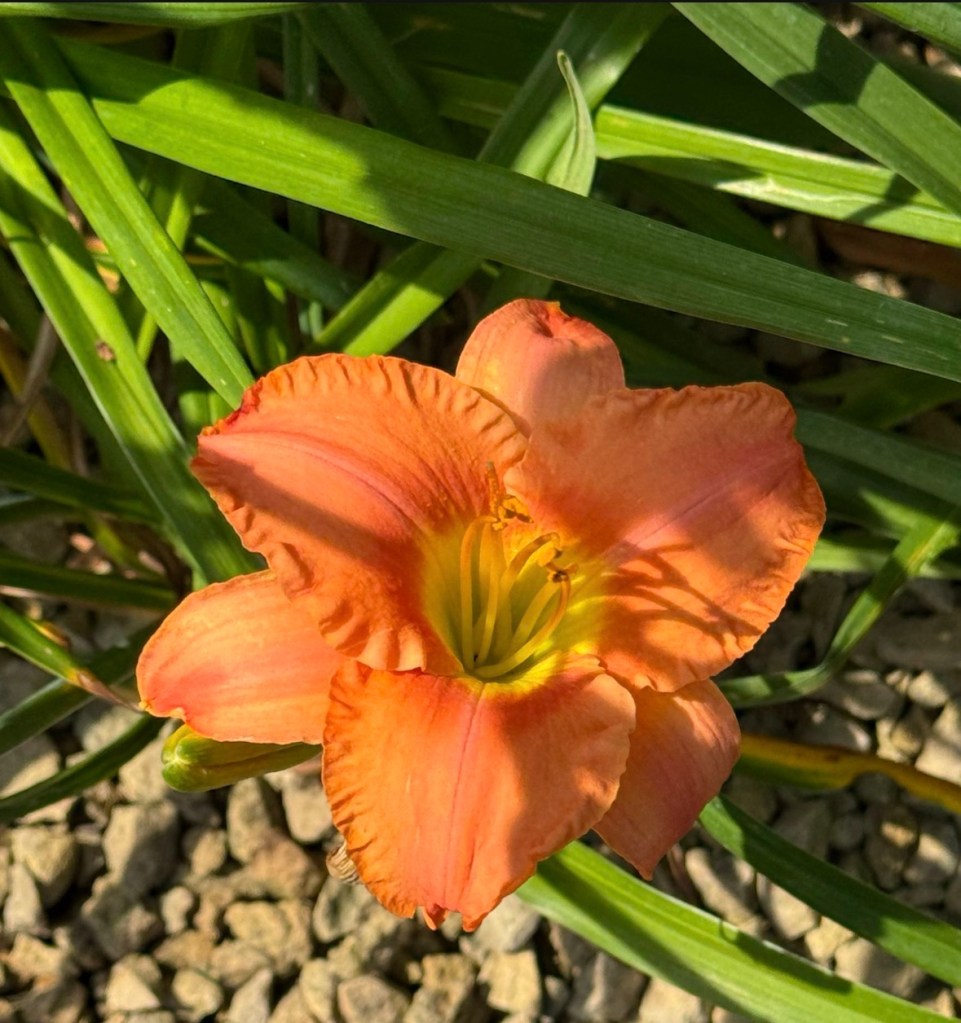
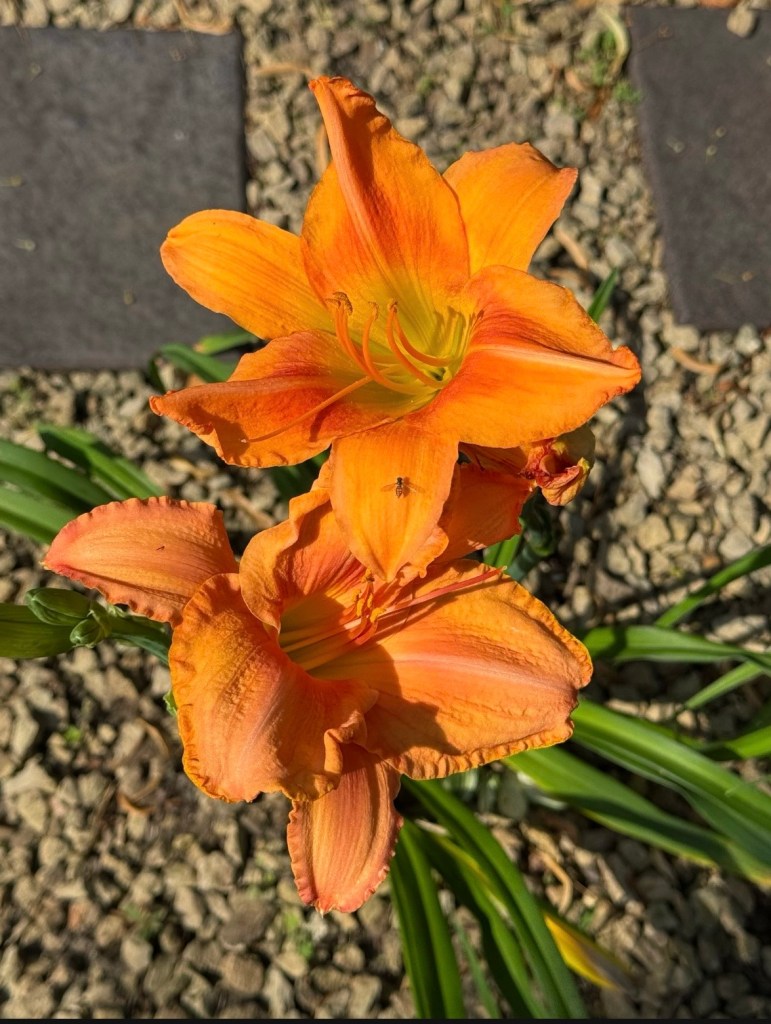
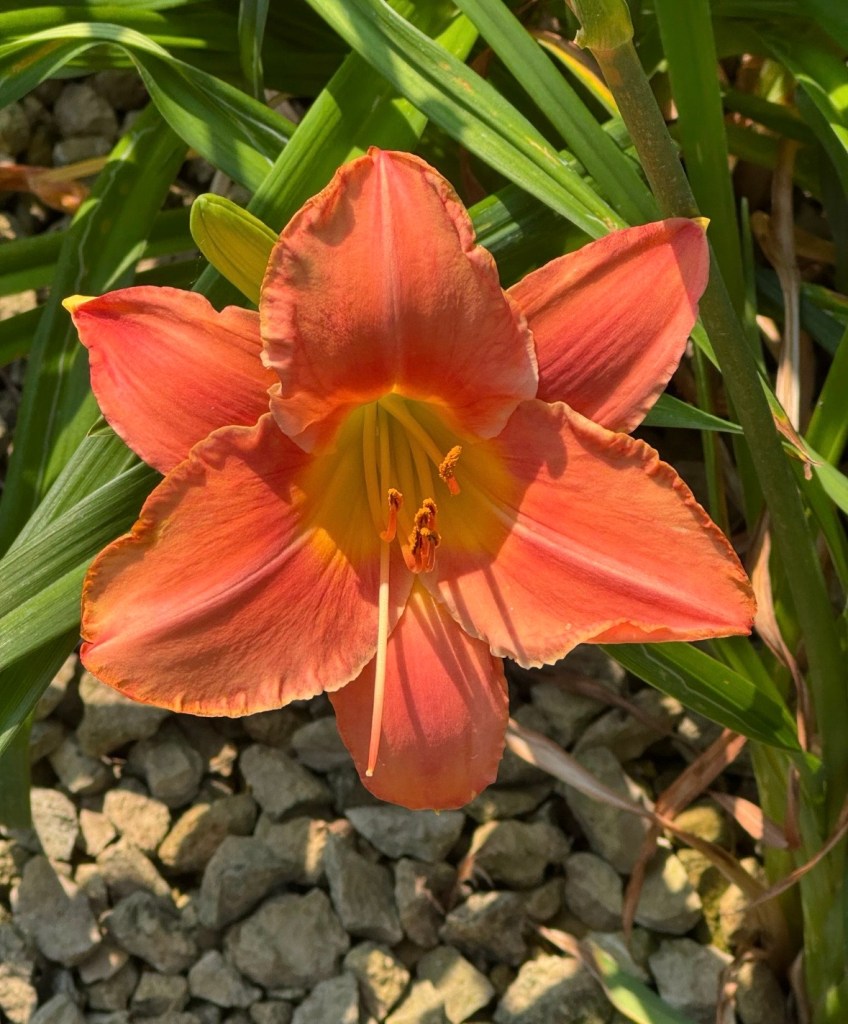
With the tetraploids, however, I am going to do something I may regret in future years. I am only going to do crosses with South Seas self-seed blooms in 2026. Egads. I know. But logically, I doubt I will regret that, as I really like the South Seas self-seed blooms I am seeing so far, and there are quite a few more I am expecting to bloom this year.
So that’s it. A simplified 2026, and one that pulls me farther down the self-seed path.
We shall see how it goes 😉

 Susan's Daily Garden