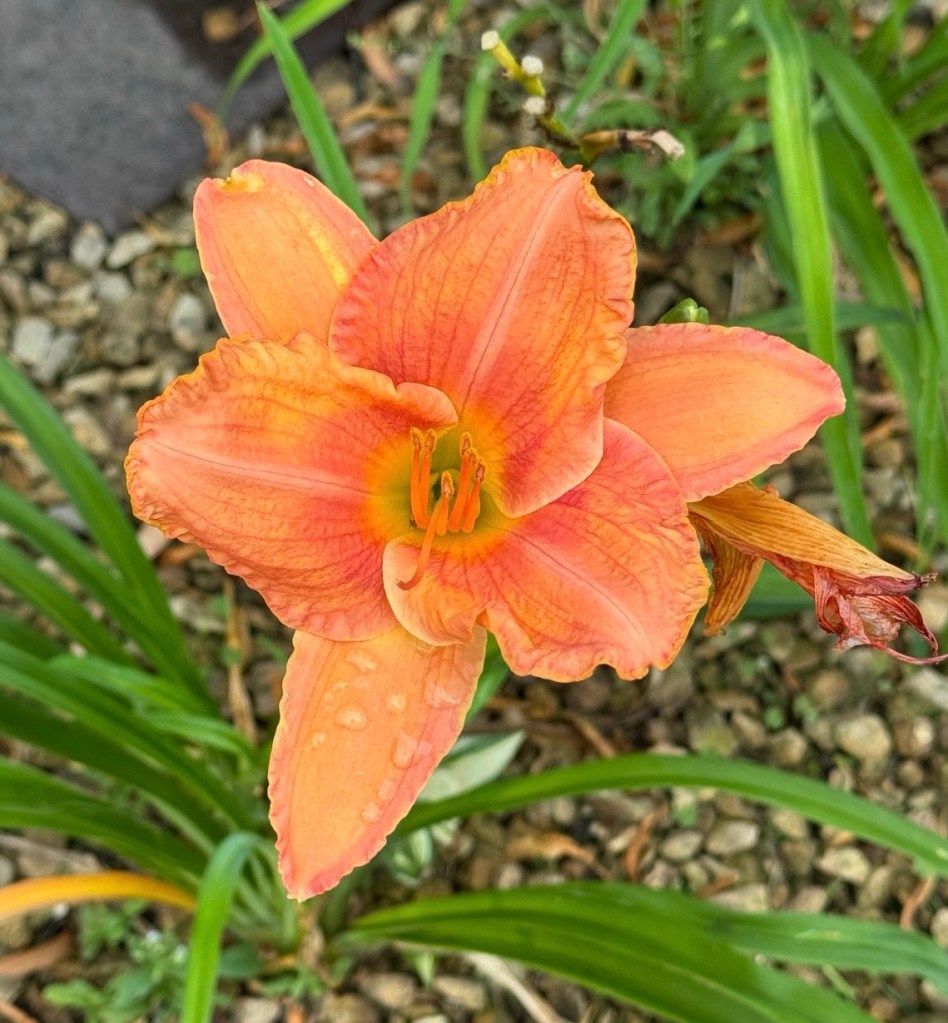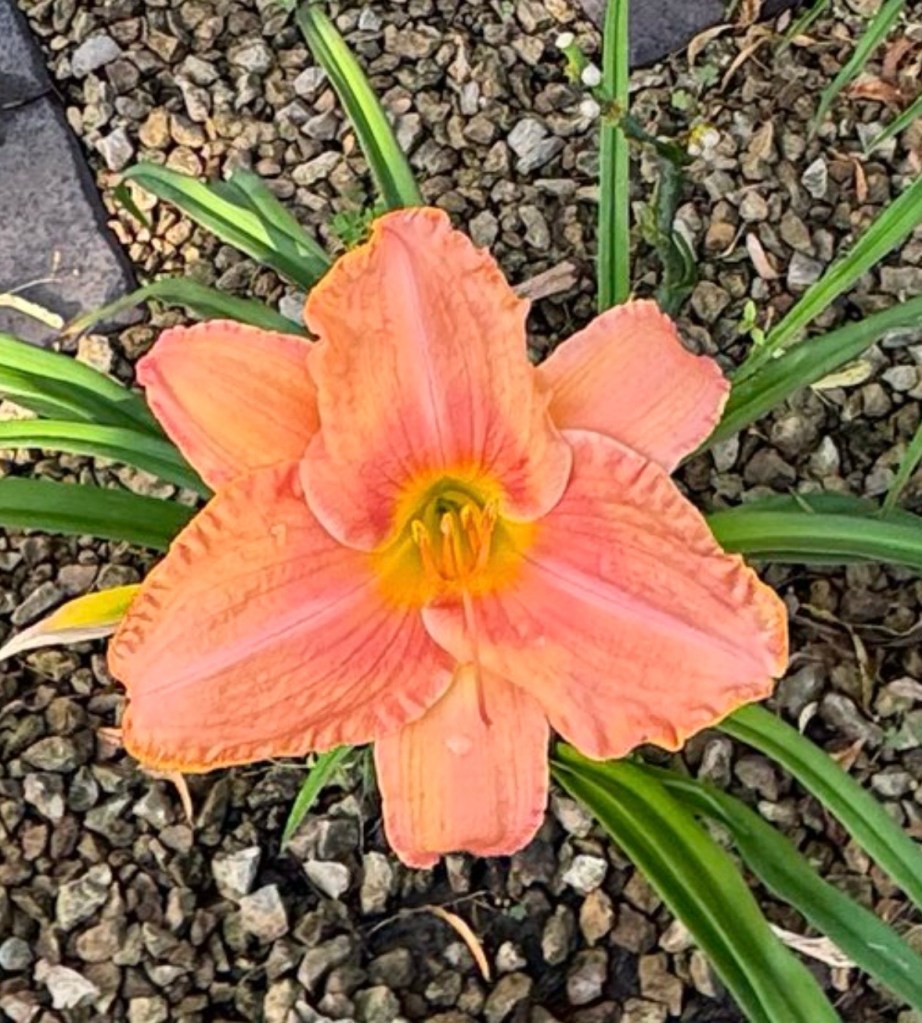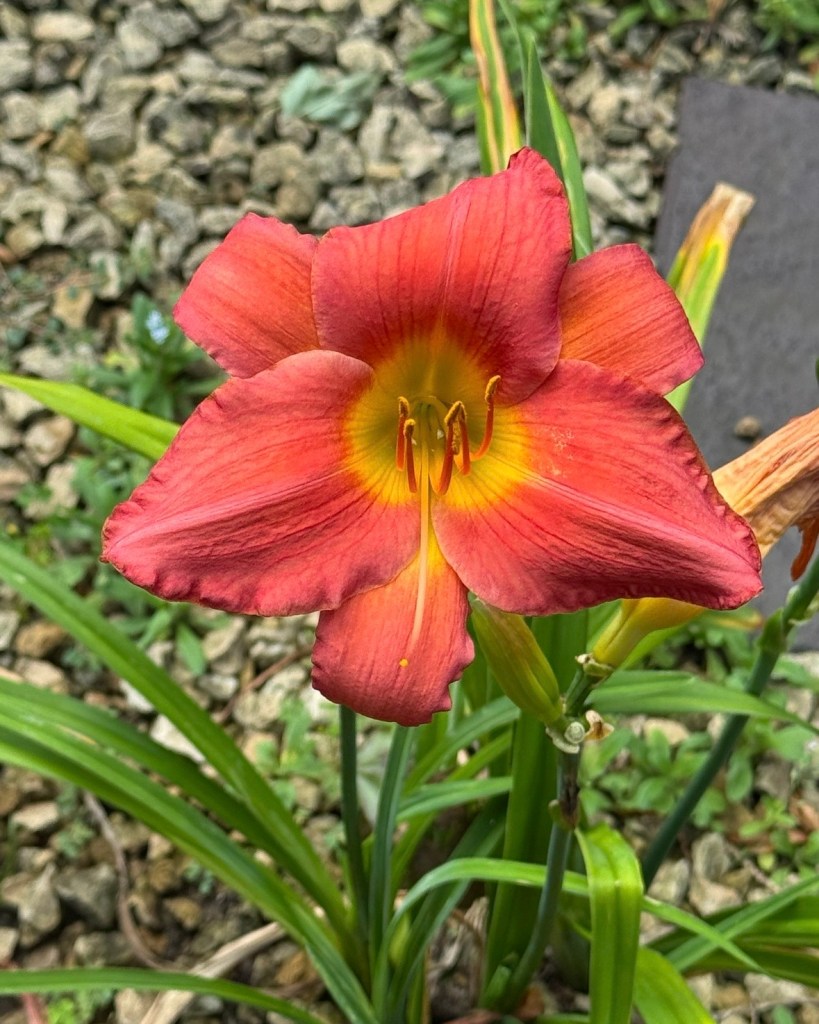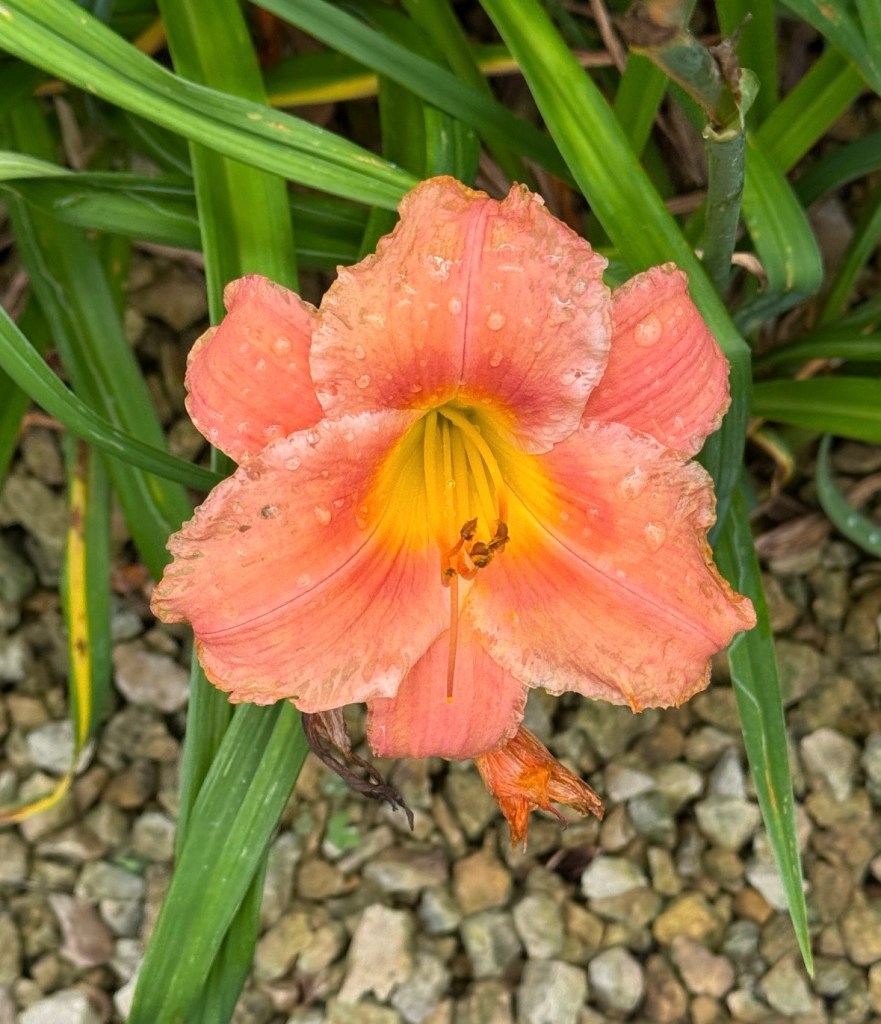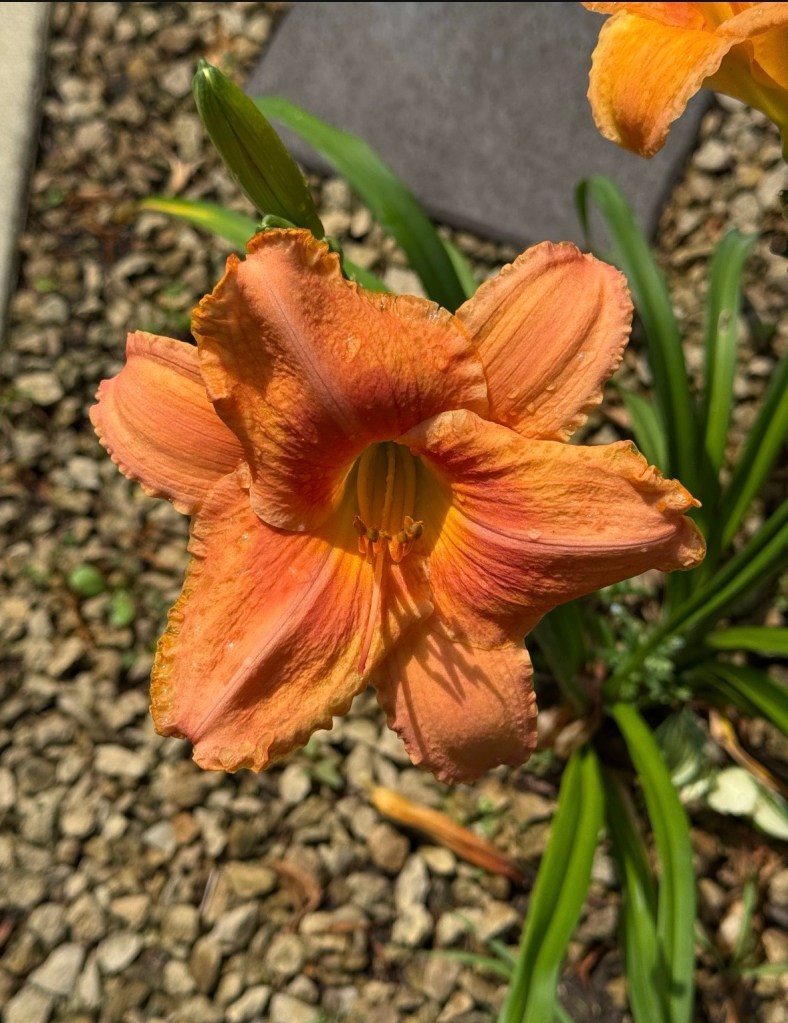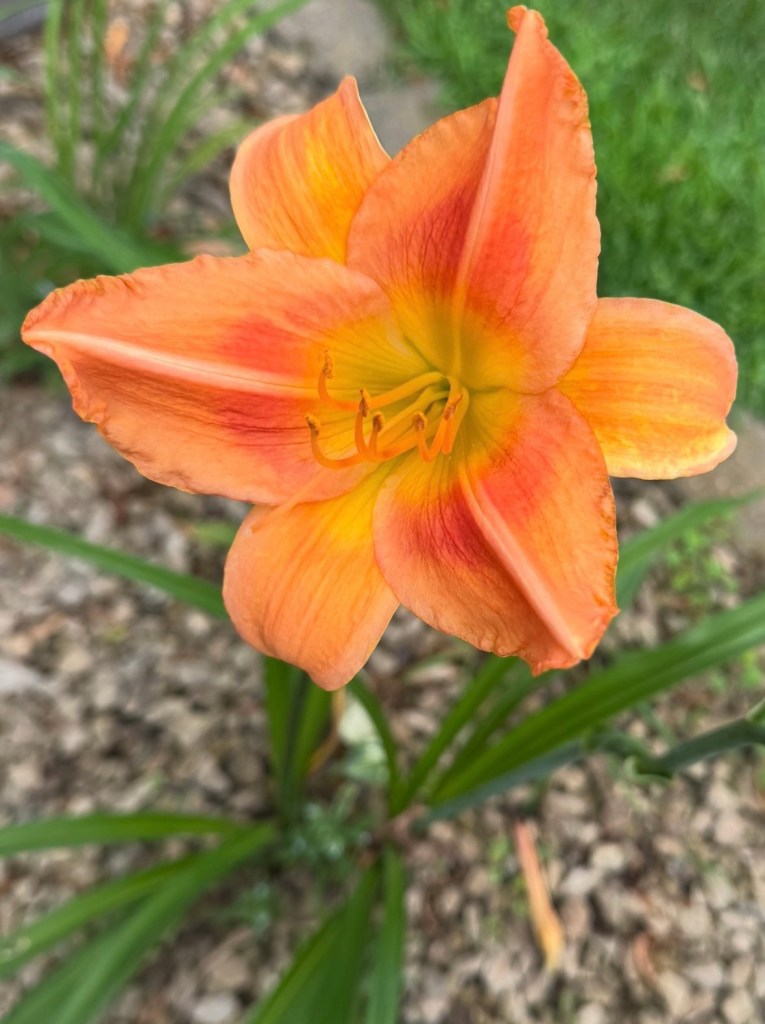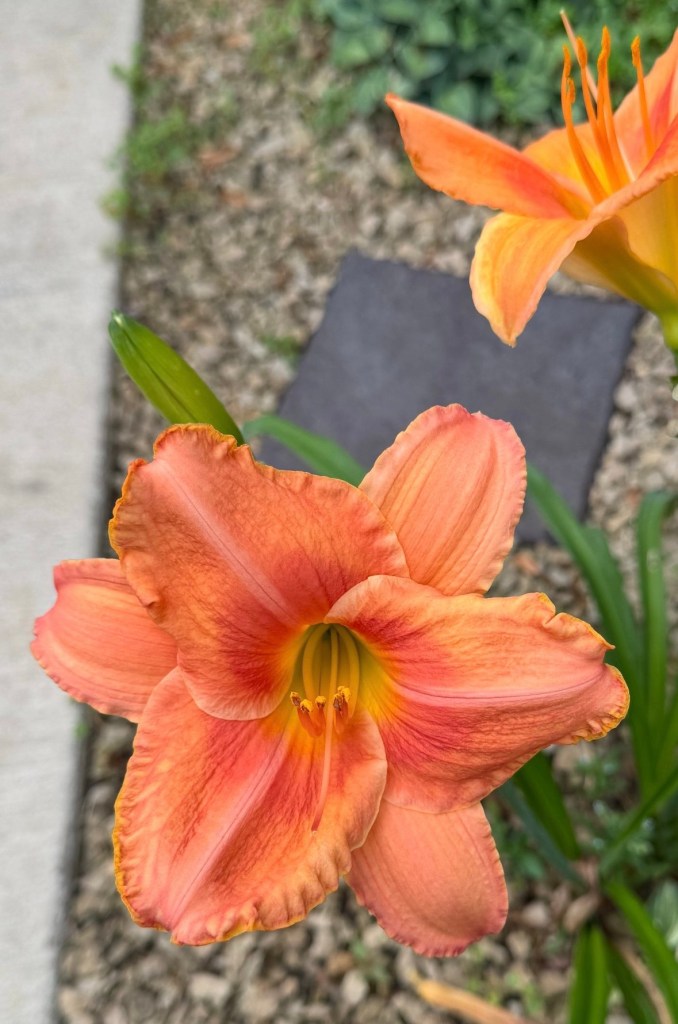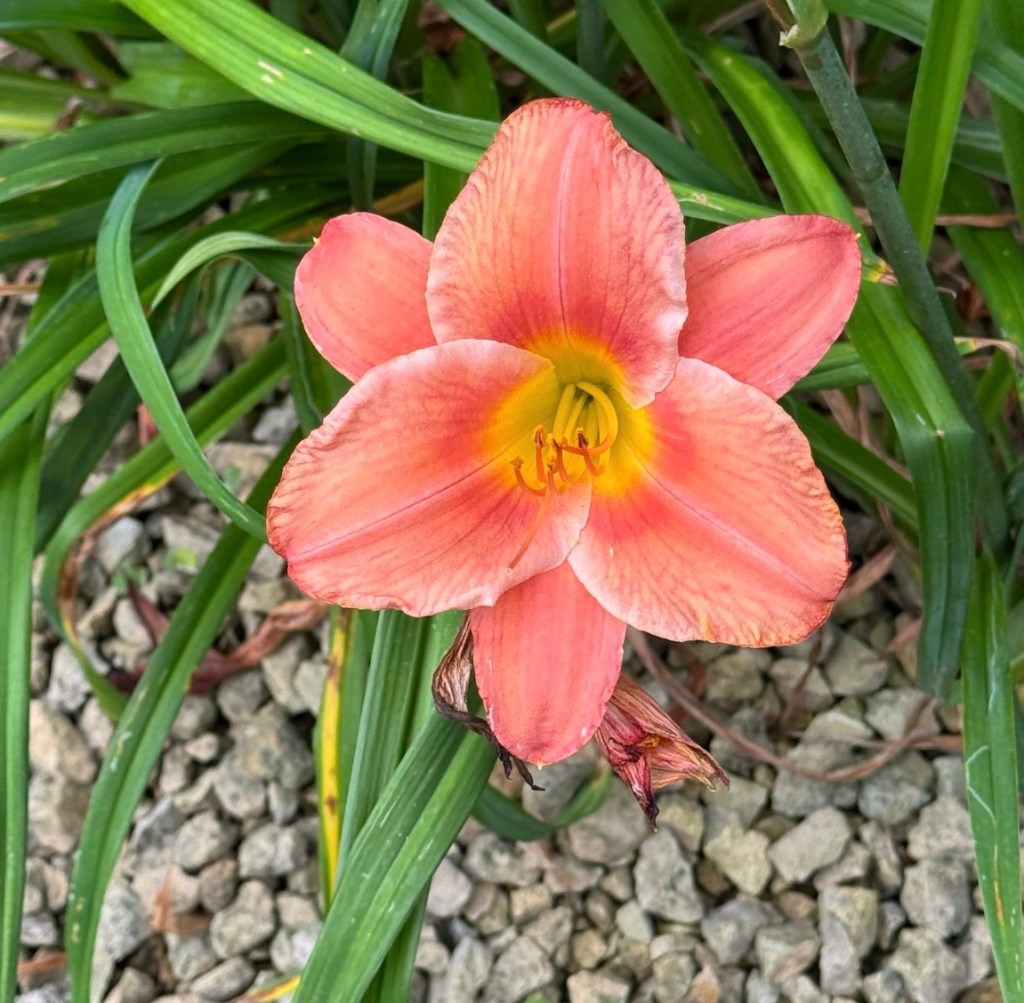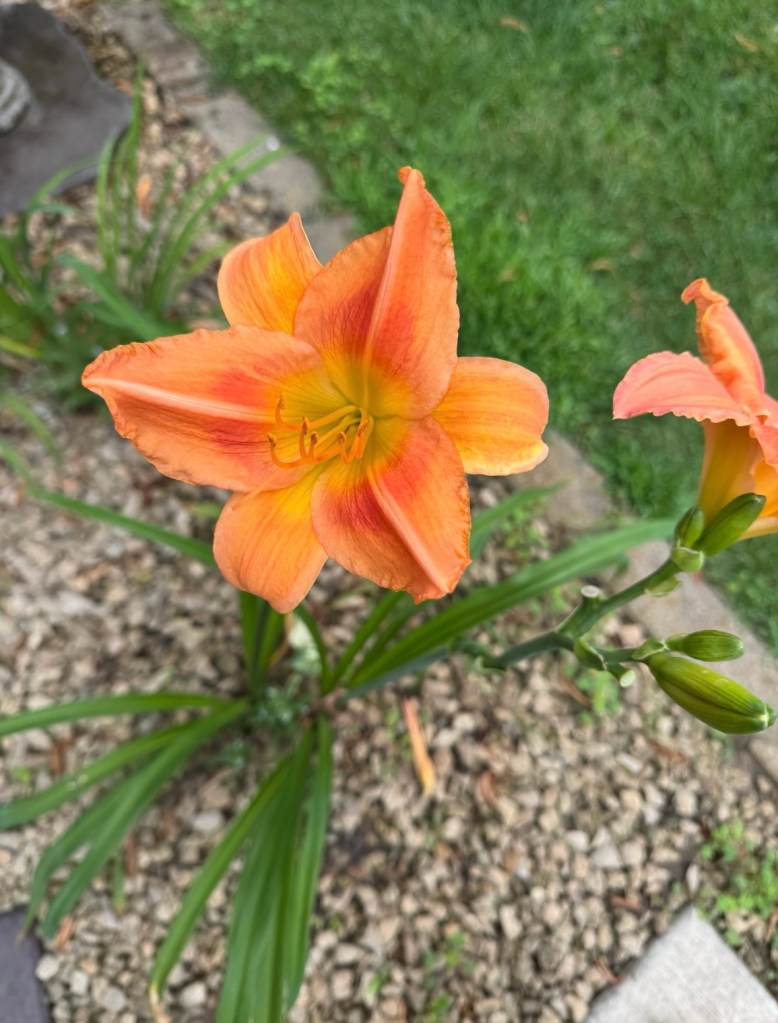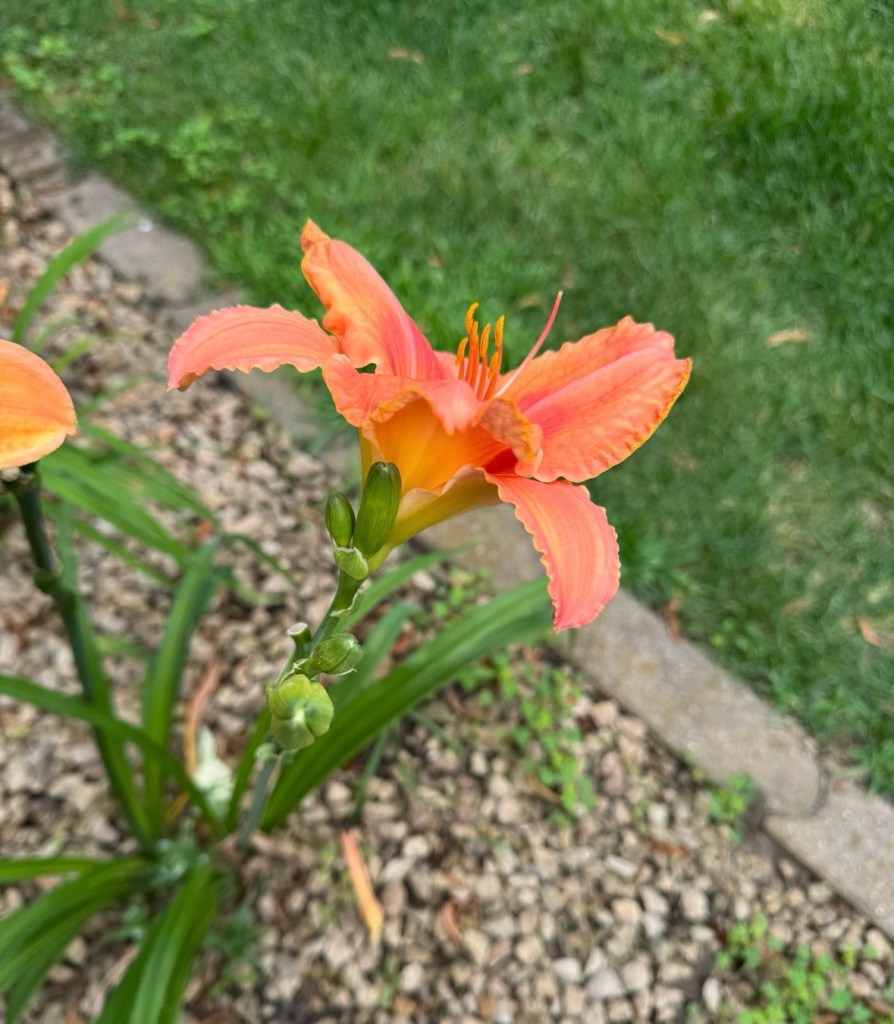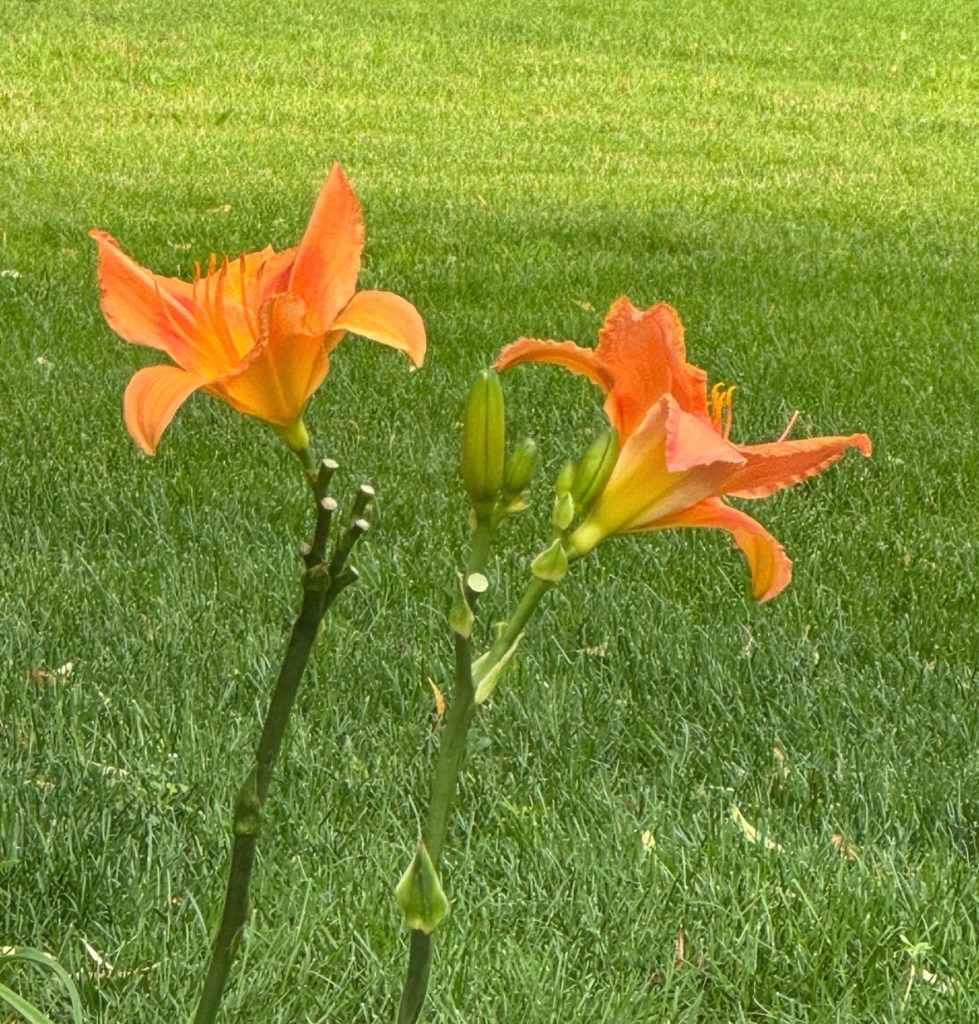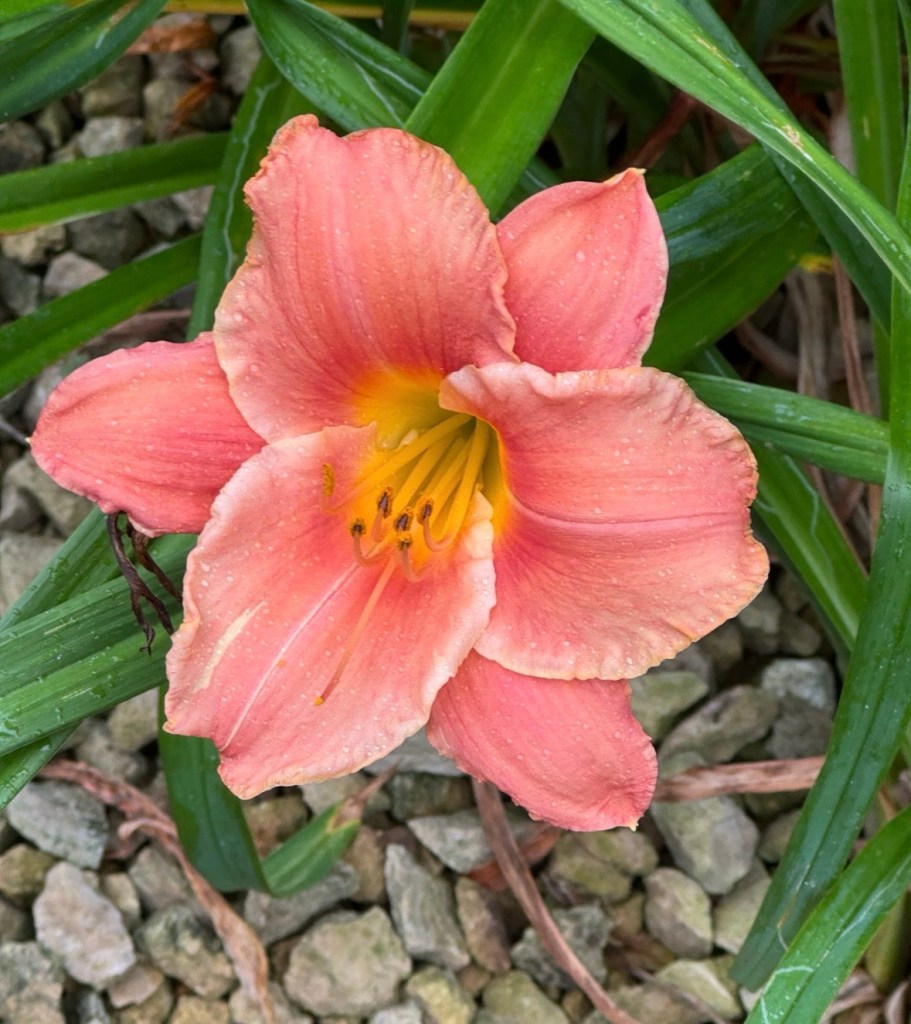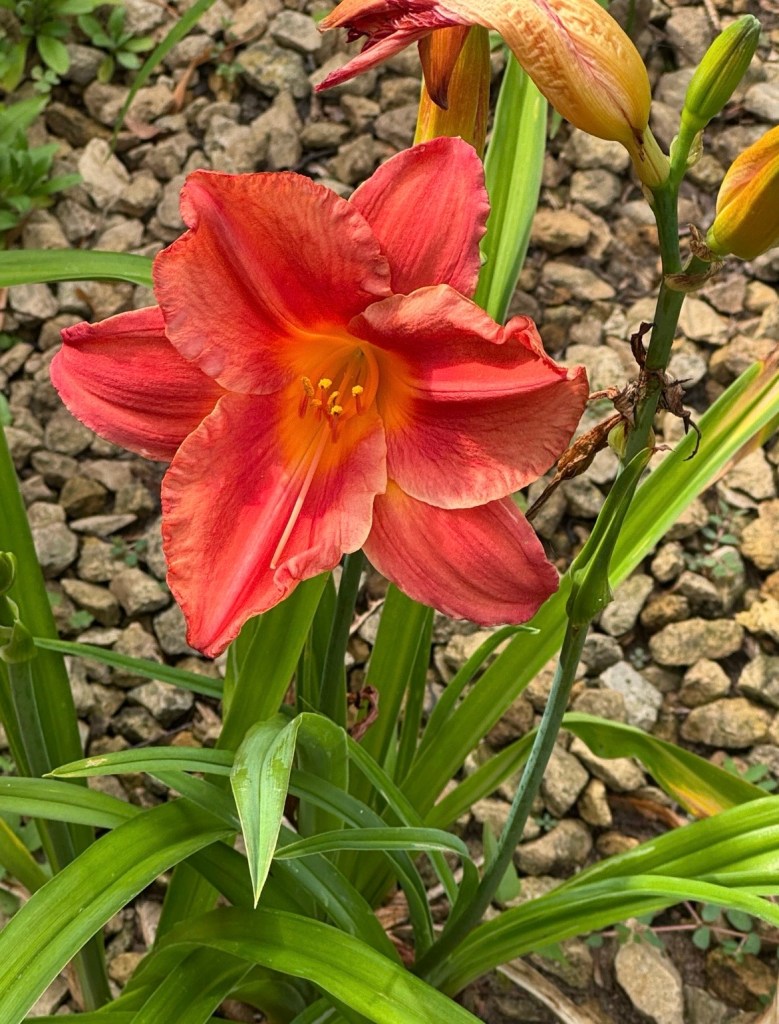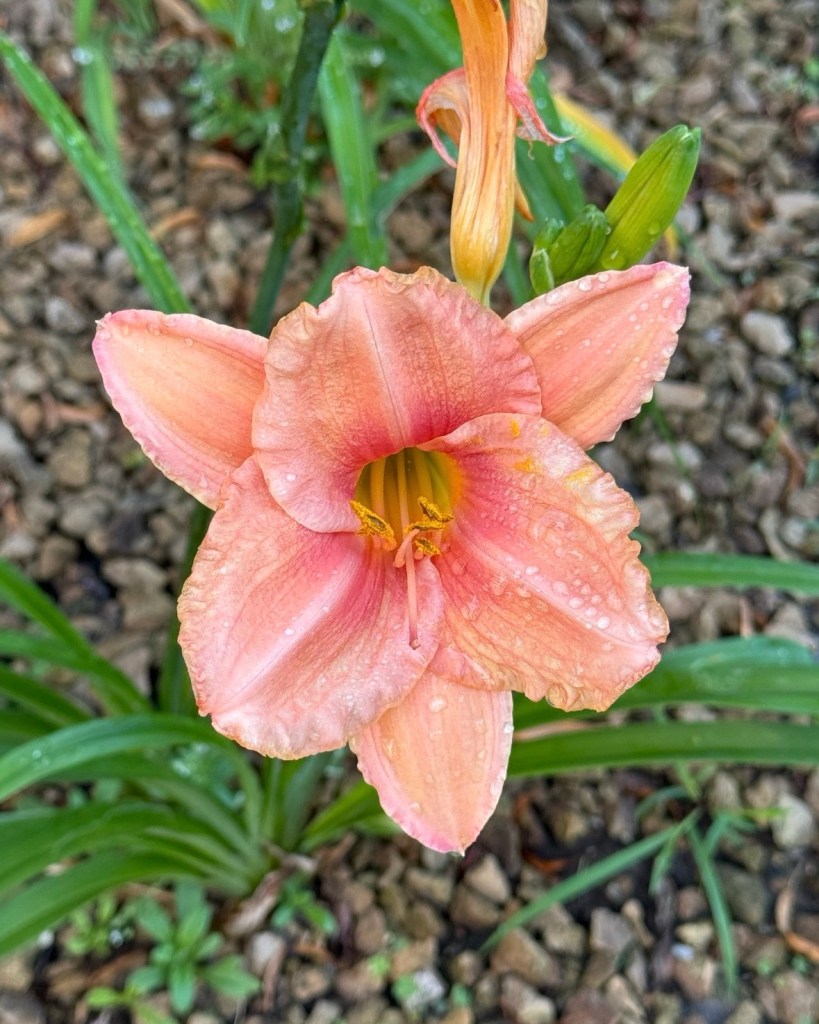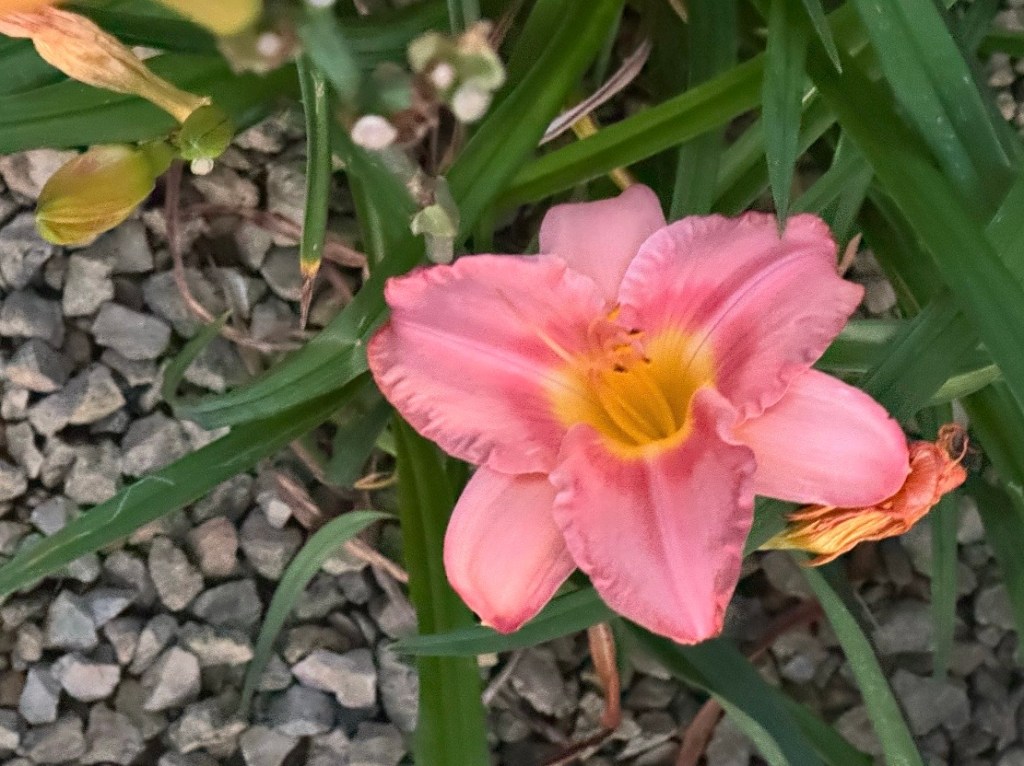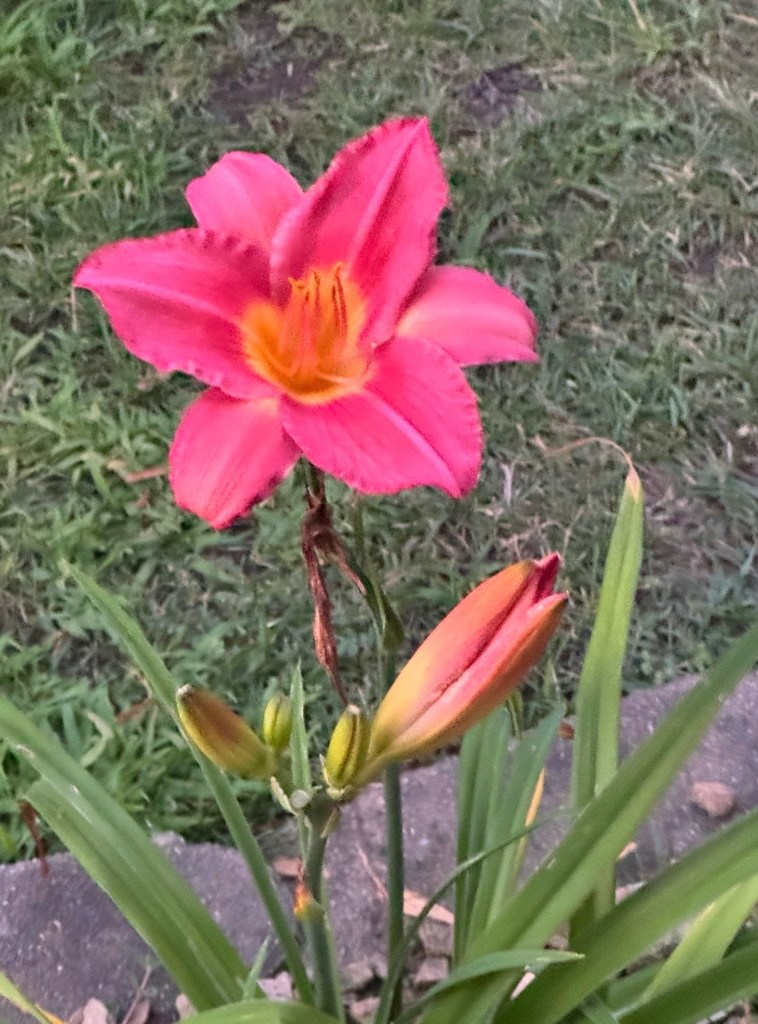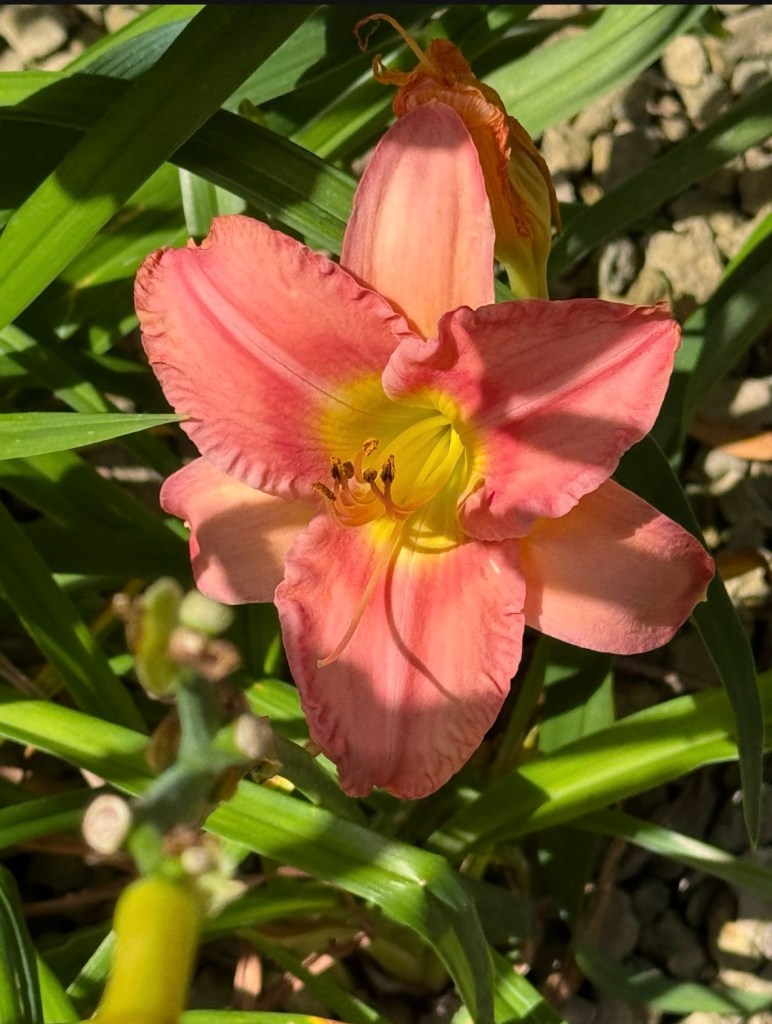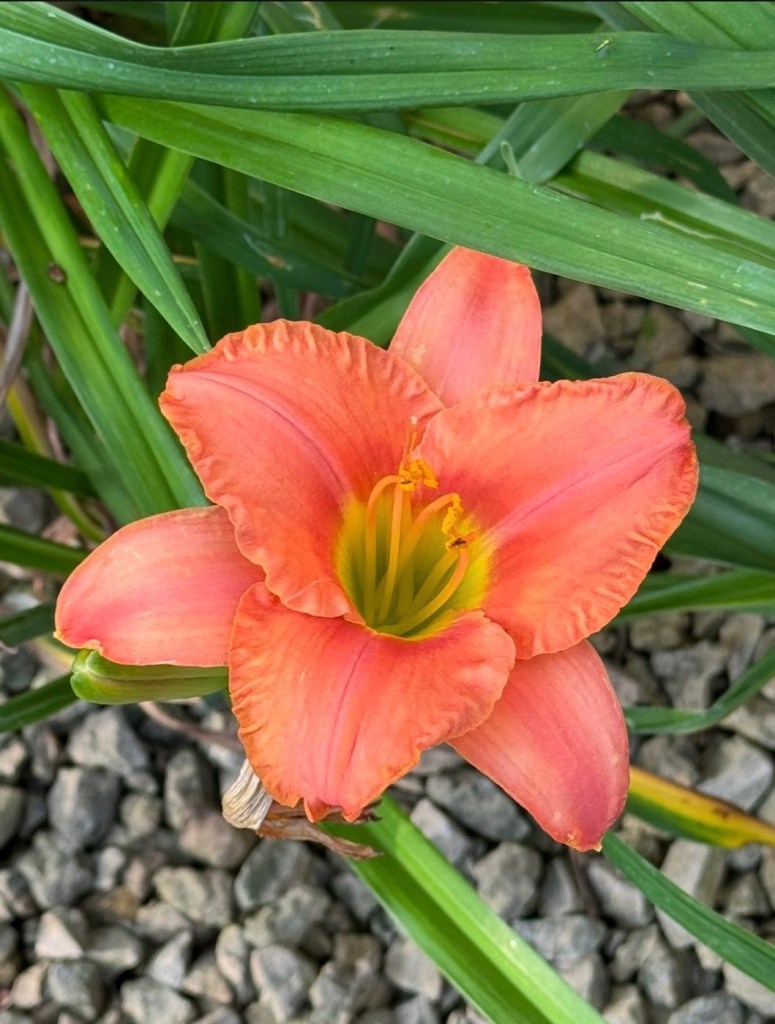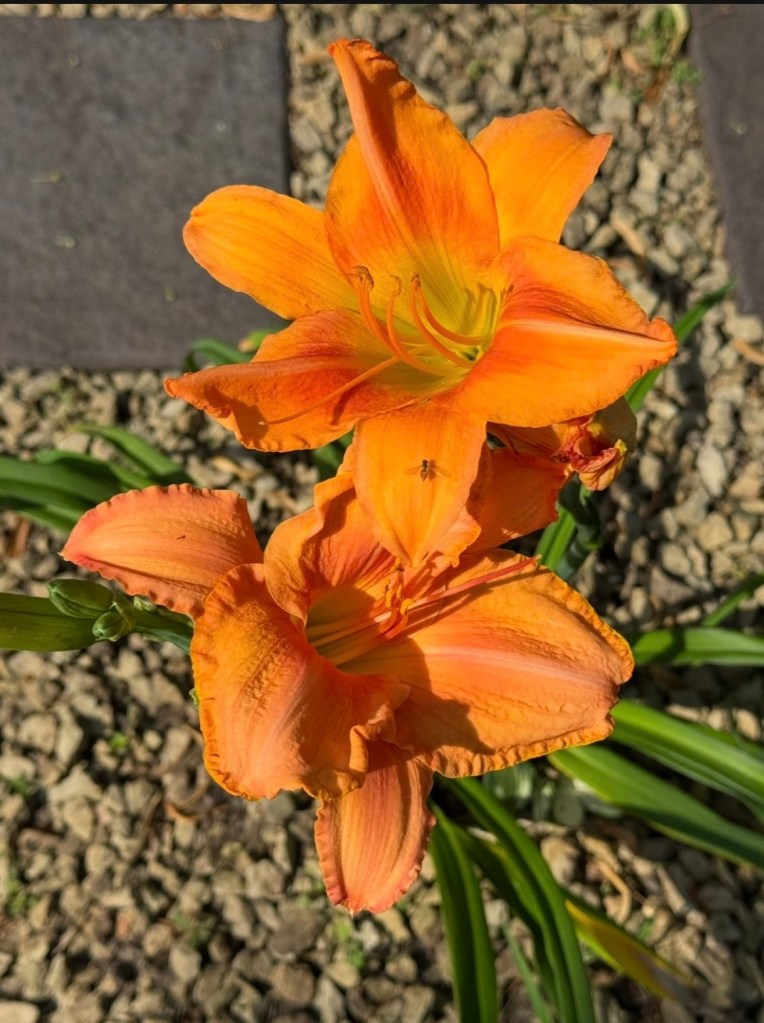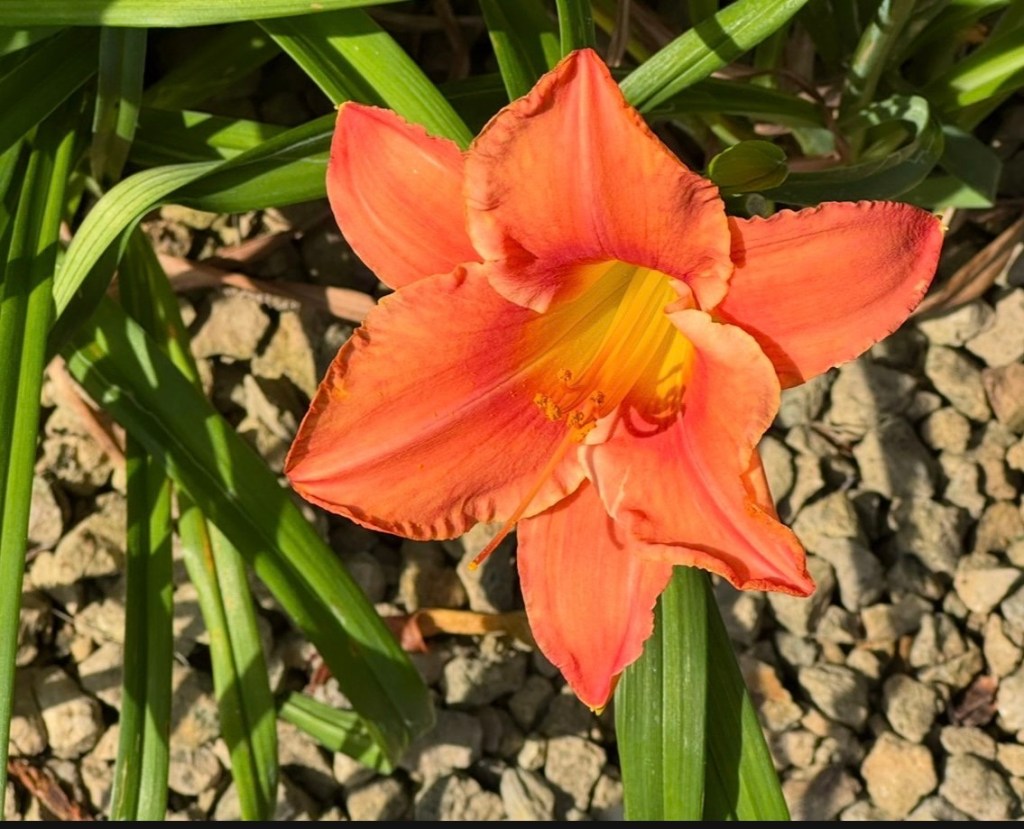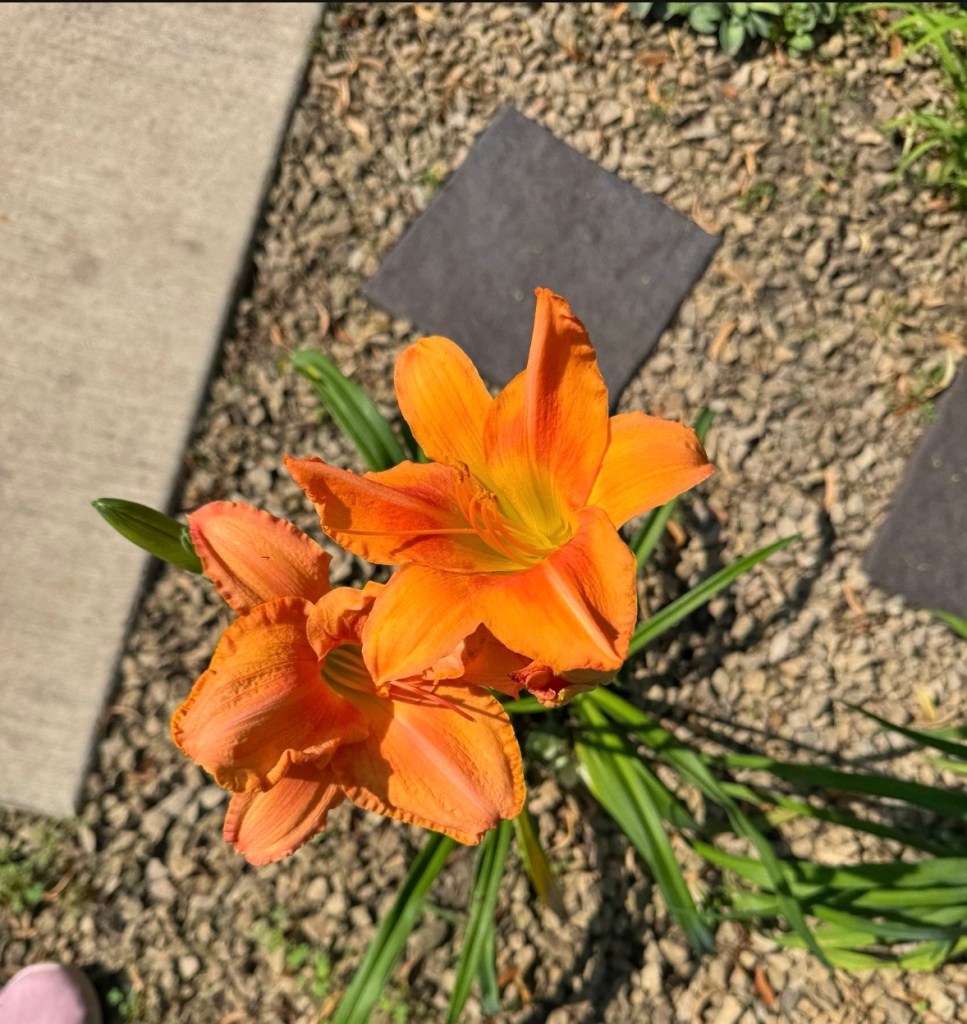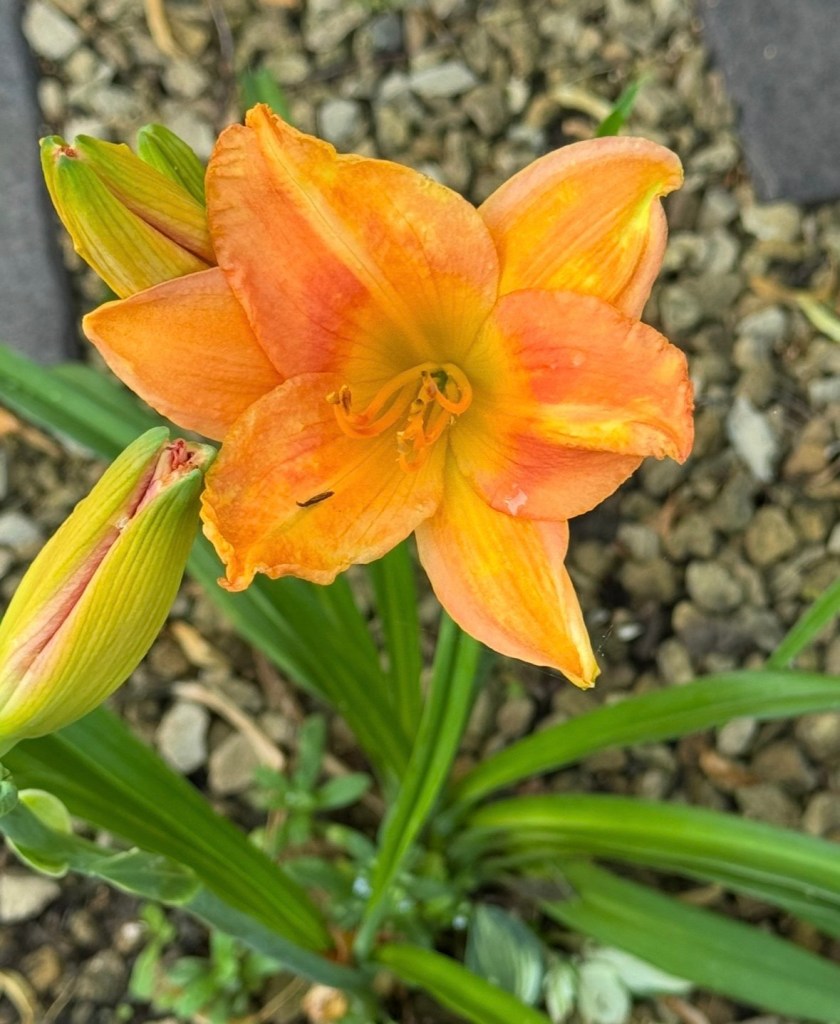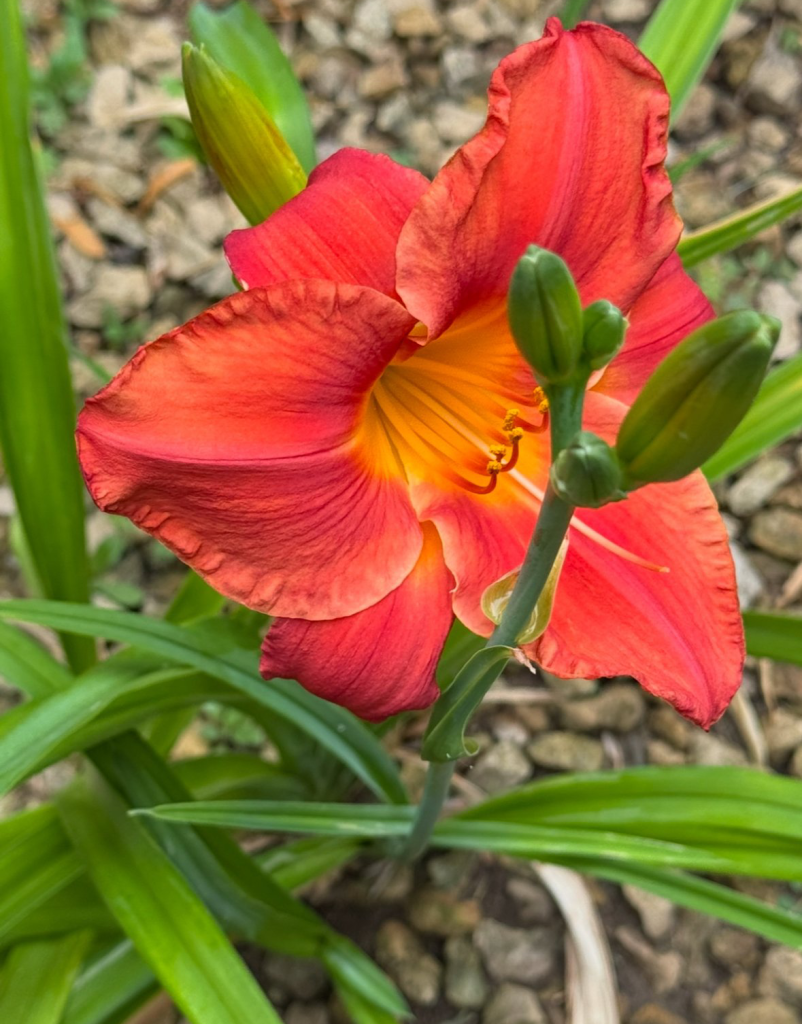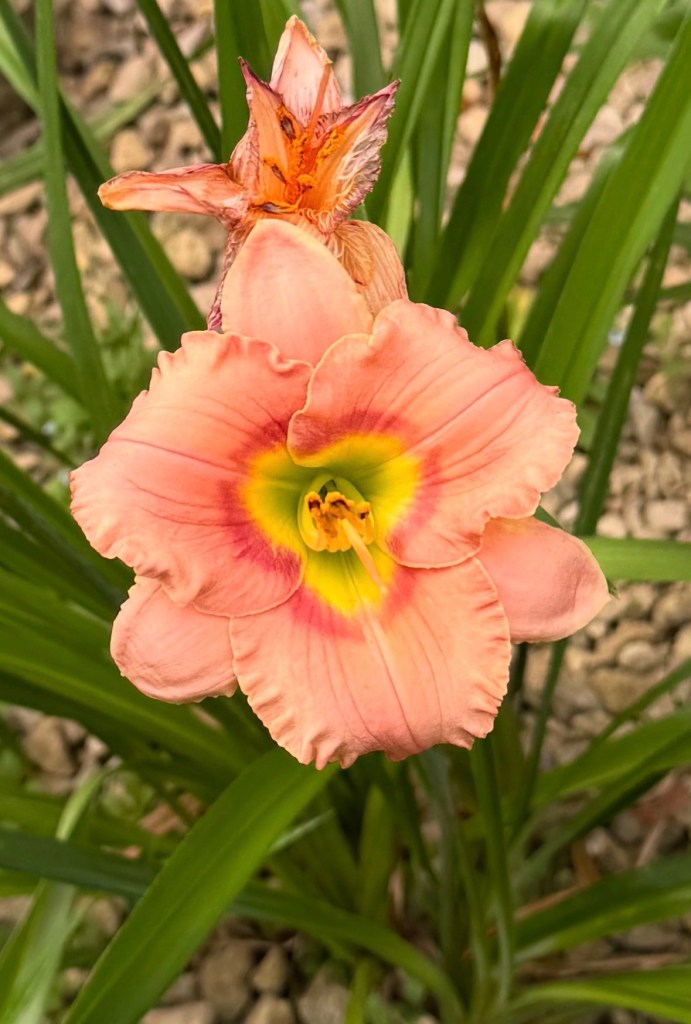
We are garden ready. It is Waiting Time.

We are moving closer and closer into the “Do” phase of Spring gardening 2026. March starts next week, and although we will almost certainly get more snow, March also begins clean-up in the garden. Today is the last 2026 garden planning post. All that is left to share is my vision for the daylily garden I am starting up north this year.

I have been thinking about undisturbed old homesites, sometimes where the house is even gone, maybe the chimney and foundation are the only things still evident, maybe not even that, but around the homesite are sometimes daylily survivors. They found a way. No special care. Just sunshine and soil and rain.

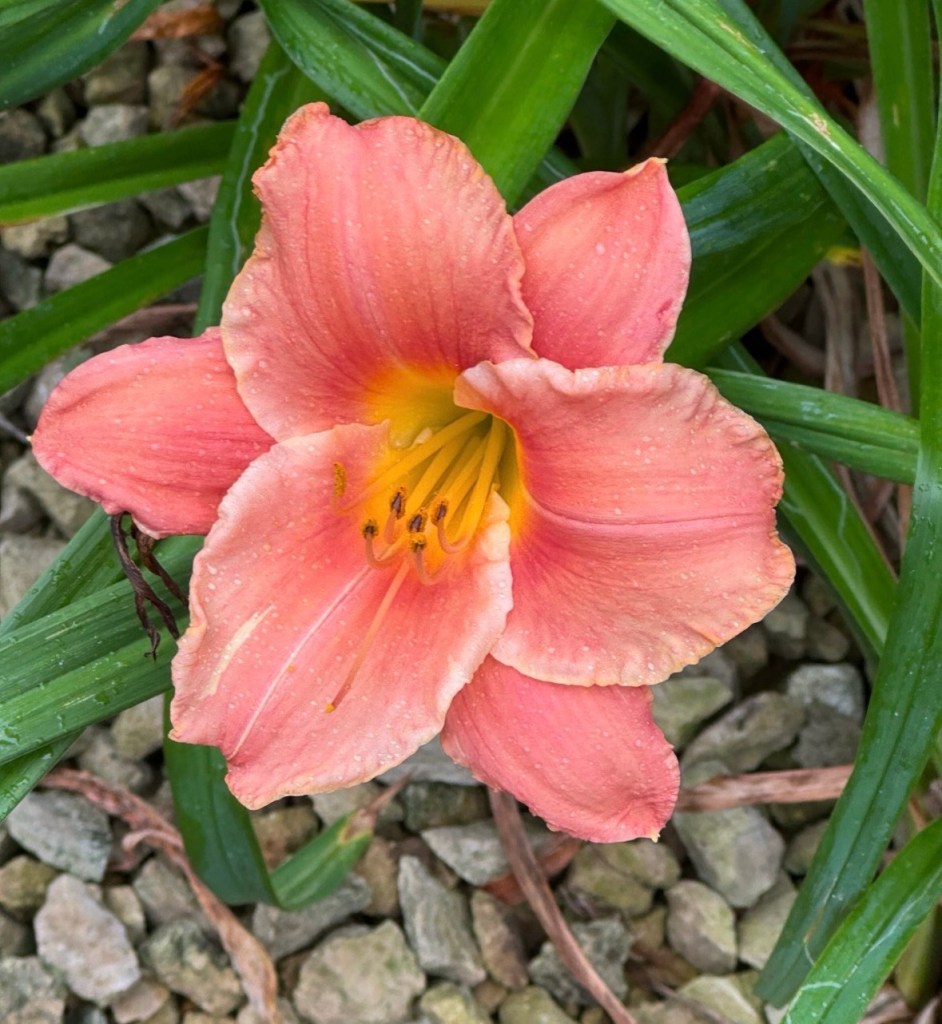
I have been doing some research, and apparently older, more legacy, or historic daylilies do better as a whole than the newer hybrids in surviving without much care. That is what I am aiming for with the up north daylilies – not much care. So, note to self – don’t buy hybrids and bring them up north. (Sadly, many years back, I actually lost one of my initial Pink Tirzah bare root seedlings that way, in my epic fail first generation garden trial up north. Big ouch. Shall not be repeated.)

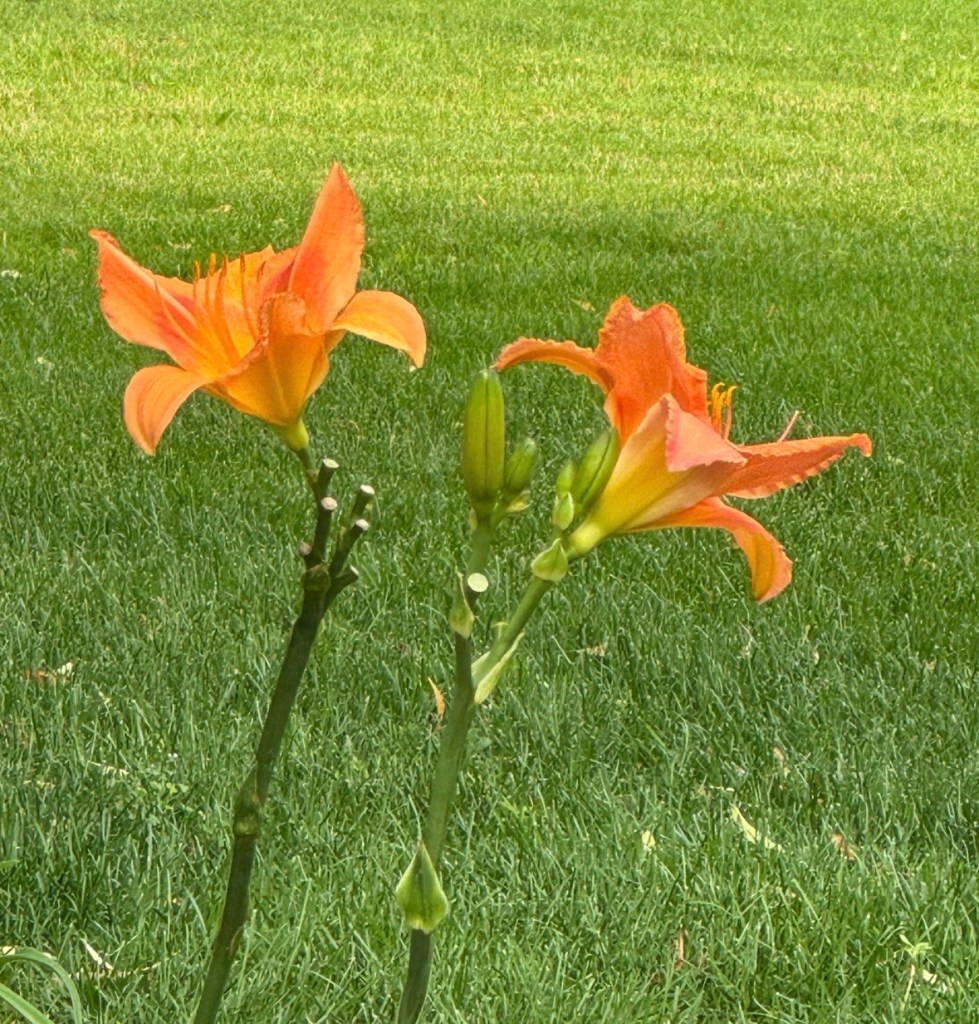
I am not interested in the orange ditch daylilies, but I am going to add a time tested, historic style daylily (Hyperion) to the townhome garden this year and begin the slow process of growing them from bare root to bloom, letting them self-seed, and seeing if I can get that self-seed to grow up north where they can naturalize. I know it will be a very slow process. Probably 5 years or more. But that’s ok. In the meantime, this year I will work on the hybrid seedling garden up north, planting the excess hybridized seeds from the Red and the Pink Tirzah cross, and see if they can make it. Those red daylilies are quite hardy. It could work. But my goal is to eventually get naturalized daylilies up north.

So now I wait. It will be a couple months until I can start the 2026 seedlings outside. I may start some indoors in trays after Easter. I did crosses with Naomi Ruth and the Peach daylily – both ways, as pod parent each and as pollen parent each, and that was very successful to seed. I may get those going indoors. But otherwise, it is waiting time now. I’ll share as we have fun things 🙂

Take care, Be Blessed!
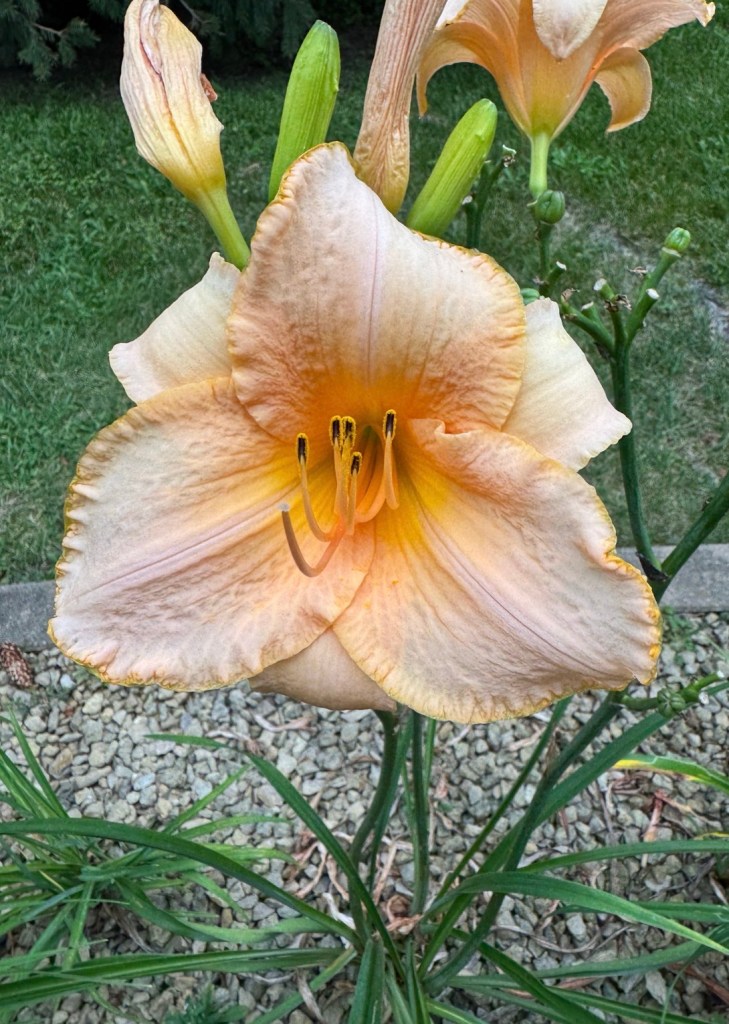
What about Hello Yellow in 2026?

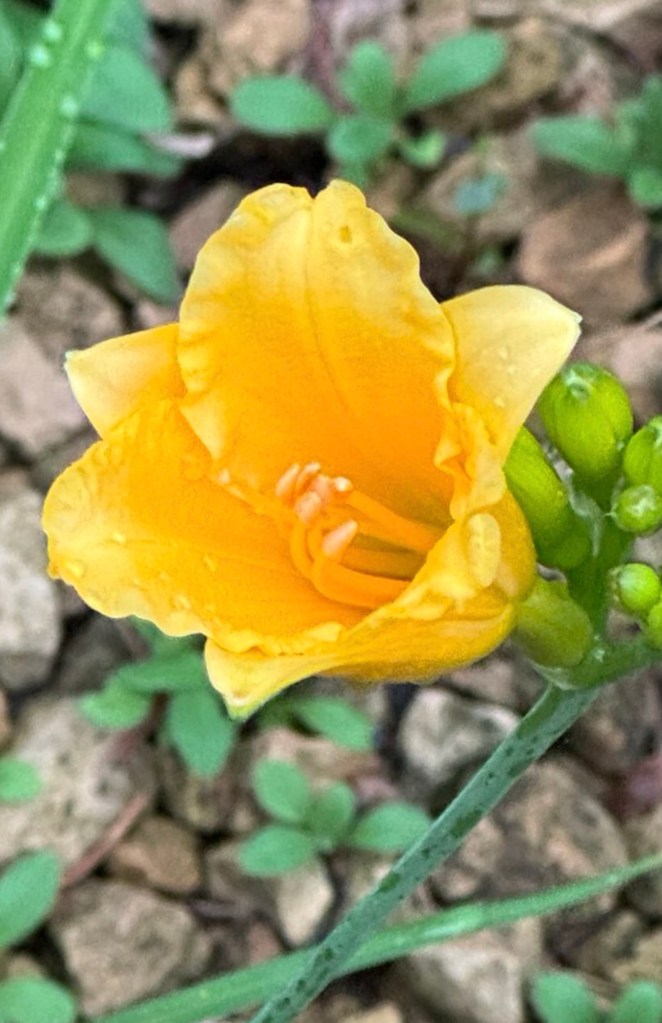
Hello Yellow is a daylily that has bloomed the past few years in our garden at the townhouse. It is from seed I harvested but suspect I mislabeled. Despite multiple attempts to replicate that cross, I have been unsuccessful. I may continue to try to do that in the future, but I need to move forward. Hello Yellow will become ‘sdlg’ (for seedling) for now.

The Hello Yellow daylilies are the first to bloom in our gardens, and the last. It will stay. Absolutely will stay. And it needs some “puppies”. Hopefully 5. And a “Mom” for those puppies. You know where this is going, right? South Seas self-seed anyone? And a little story time.

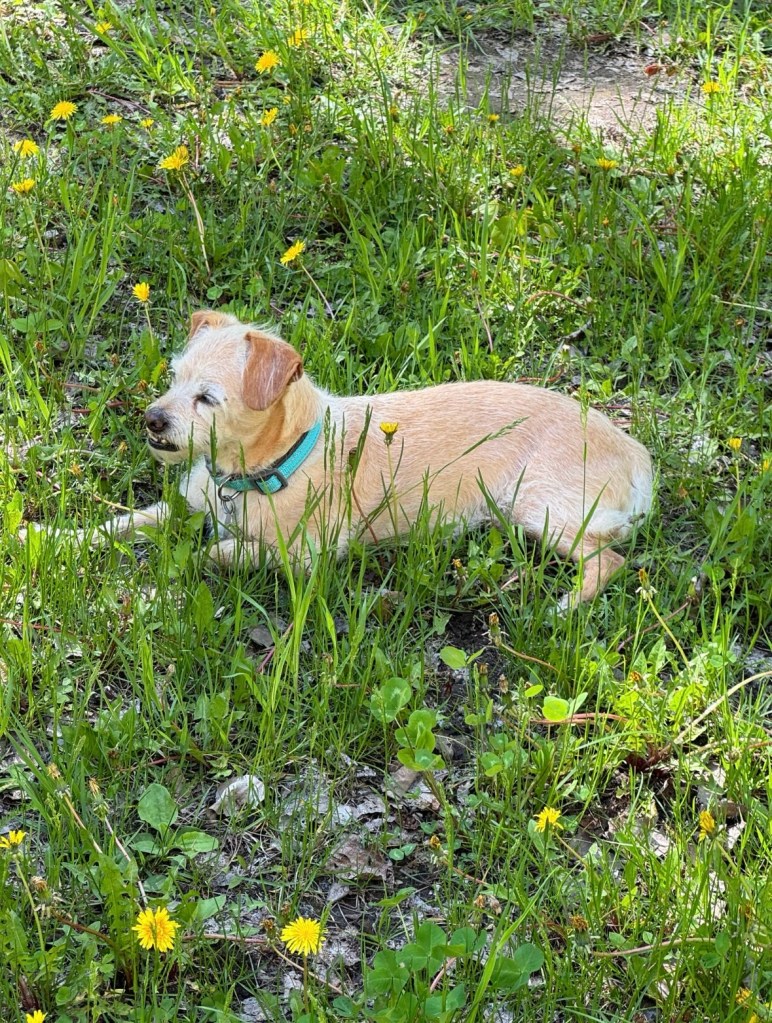
Alert – Now this gets sentimental. In January we lost our last dog, Sandy. He was a terrier mix, probably mostly with chihuahua. We adopted him at 1 1/2 years old as a rescue. We were told someone(s) moved and left him and his girlfriend (April), who was a couple weeks away from delivering 5 of their puppies, roaming around the halls of the apartment. They were picked up by animal control and put into a foster facility with the intention of making them available as rescues. I had worked with someone who also worked with that rescue and told her that if they ever got a border terrier to let me know. I kid you not, we had a planned trip to go adopt another dog, and I got an email from my colleague about Sandy. Sandy came home with me the next day. He was very sad to leave April and the pups, but they were also ready for adoption and went very quickly. And Sandy bonded with me within hours of bringing him to our home. We had Sandy for 14 years. He was 15 1/2 when he passed. He had a very good, interesting life where he was very loved, and, of course, pampered.

Sandy was a very endearing dog. Super cuddly to his peeps, but very spunky with other dogs. It took a bit to get him socialized with our Irish Terrier mix. I ended up between them one day and got a tetanus shot booster as a reward. They eventually made peace, and when our Irish Terrier mix passed, Sandy became an “only”. Sandy had a short stay with our son and DIL where he regained his doggy manners through being reminded of normal doggy protocol by living with their dogs. Eventually he came back to our home and was our beloved constant companion until he passed this January. He spent a lot of time in the gardens with me, and I am certain this Spring I will feel that loss intensely for a while. Time does heal, but it is a bit rocky.

Sandy was a blond dog with Apricot ears. Recently when I was looking through my latest daylily catalogue, I was oh so tempted to order at least one ‘Apricot Sparkles’ daylily and plant it where he used to fall asleep in the sun. I have had ‘Apricot Sparkles’ on and off my wish list for a while. But I held off, not quite sure. And it finally came to me. I want to work with what we have here, from when he was here, and see what I can get with crosses between Hello Yellow and all the South Seas self-seed (peach/apricot) blooms.

I fully realize this is risky. Hello Yellow is an extended bloom daylily, and the pollen is often not cooperative. The blooms open in the evening. But this is a rest and heal year. 2025 was very intense and pivotal. A nothing burger year for hybridizing would be fine. So, I am going to give it a try, crossing Hello Yellow with our apricot/peach blooms from South Seas self-seed. With any luck, in 3-7 years, we will have an area called “Sandy’s garden” where he used to sunbathe – and maybe have 5 new yellow and apricot/peach crosses in that garden. THAT would be fun! And, if not, ‘Apricot Sparkles’ will probably still be around in the daylily catalogues.

Now, about that Hyperion? Historical. Fragrant. Matching the aesthetic I am more and more drawn to. Do we have a peach diploid to cross to? Why yes. Yes, we do! Hmmm. Getting closer to making that call. Setting the components for 2027 and beyond.

Have I mentioned daylily propagation is a long game? I think so 😉

Be Blessed!
The data doesn’t lie

As I wait on spring, and as I garden plan, I am looking at my data. Lots of data. Enough that I did a pivot table last fall.

The pivot table tells me diploids do exceptionally well here at quantity to seedling from hybridization. And specifically, intentional crosses with the Red daylilies and the Pink Tirzah daylilies account for 61% of the diploid seed harvest in 2025 alone. Since I have a fair amount of the same type of seedlings already in the ground from 2024 and since daylily hybridization is a long game, and I am not sure if I will even like the results when they do bloom, if they bloom, I think I can make some data driven decisions there.

  1. I will not do intentional crosses with the Red daylilies in 2026. I will, however, continue to allow self-seed.
  2. Since Pink Tirzah has not produced viable self-seed in our gardens, I want to test that out in 2026. Pink Tirzah will still be a planned pollen parent in 2026, but any viable seed Pink Tirzah pods produce in 2026 would be self-seed.

Those two diploid decisions alone should get me to my goal of simplifying to something more manageable at seed harvest time. Those decisions do not give me pause at all.

With the tetraploids, however, I am going to do something I may regret in future years. I am only going to do crosses with South Seas self-seed blooms in 2026. Egads. I know. But logically, I doubt I will regret that, as I really like the South Seas self-seed blooms I am seeing so far, and there are quite a few more I am expecting to bloom this year.

So that’s it. A simplified 2026, and one that pulls me farther down the self-seed path.

We shall see how it goes 😉

Grand Finale of South Seas self-seed blooms

Today is the day after a snowstorm/blizzard here in Minnesota and I am definitely needing some daylily cheer. I do love the beauty of a winter snow landscape, but we are in the part of winter now where it is not quite so “wow!”

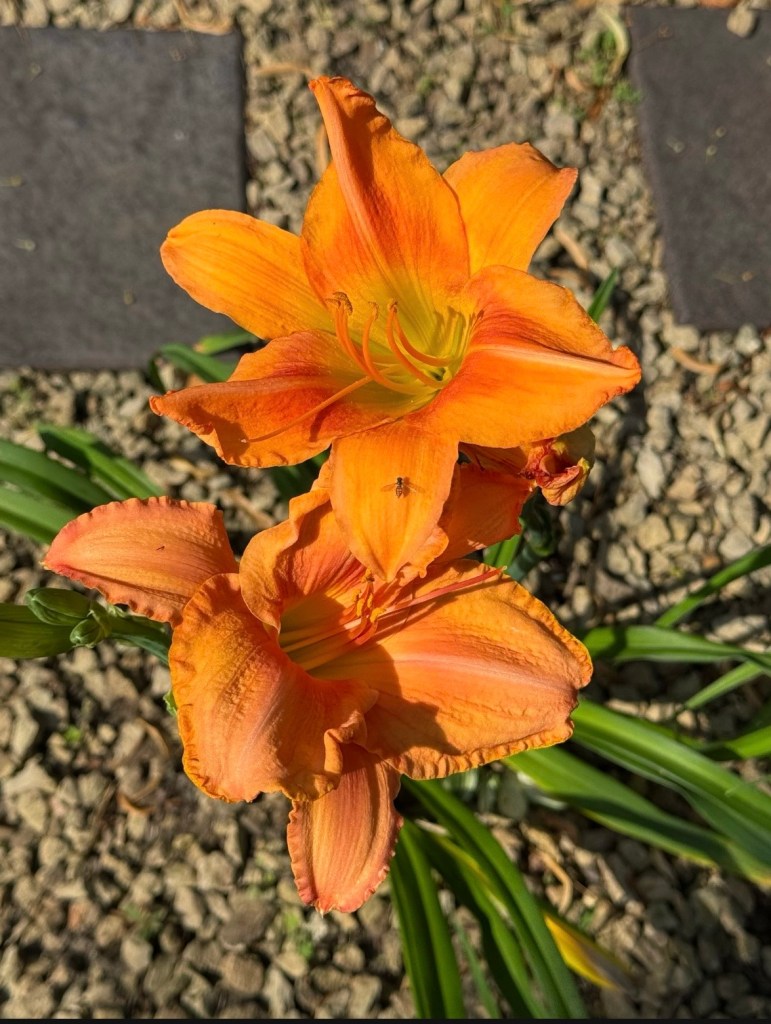
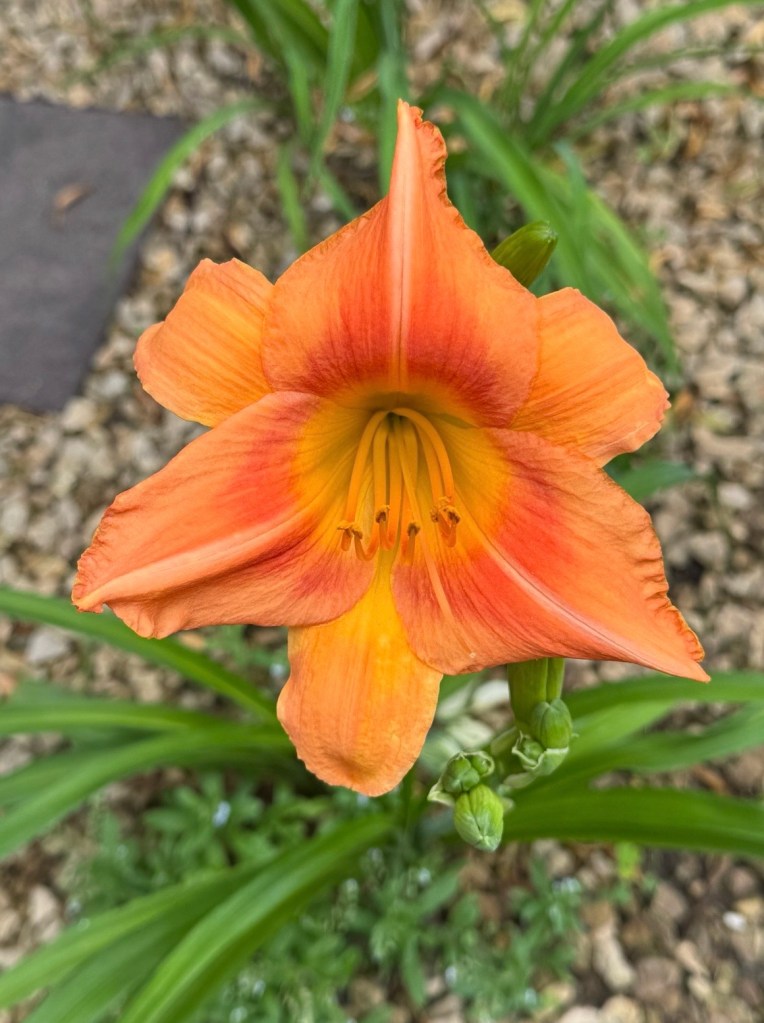
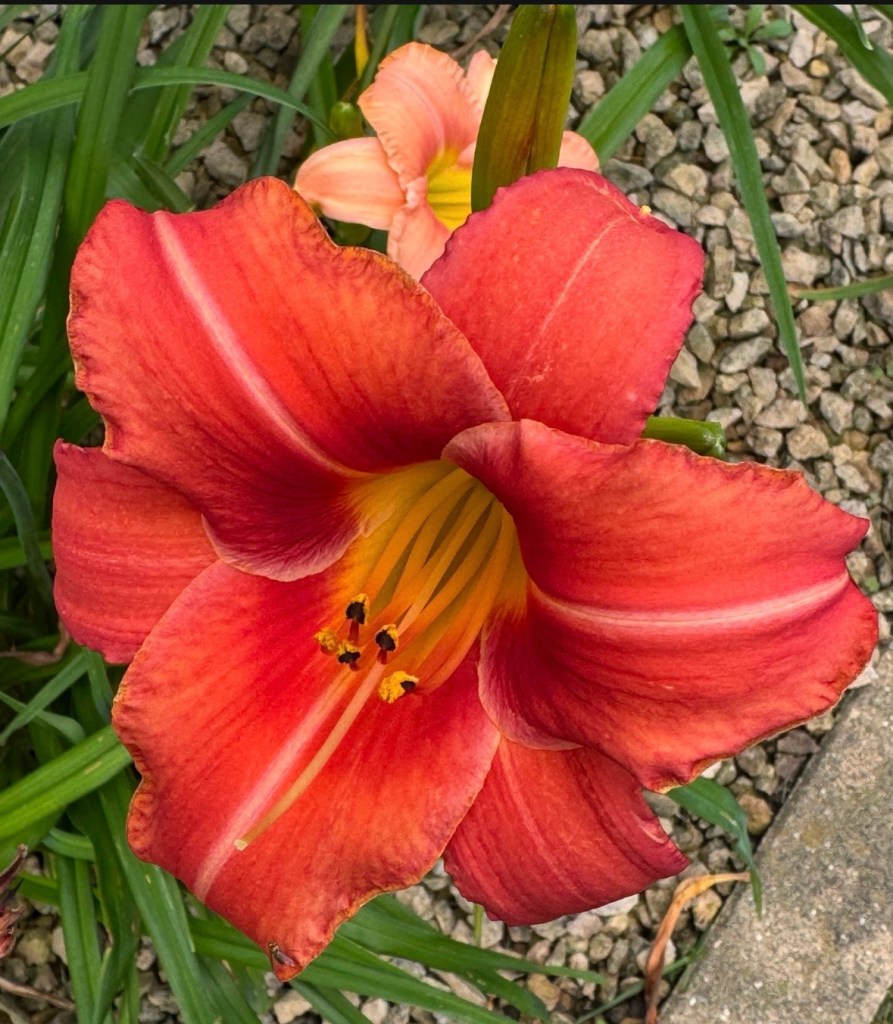
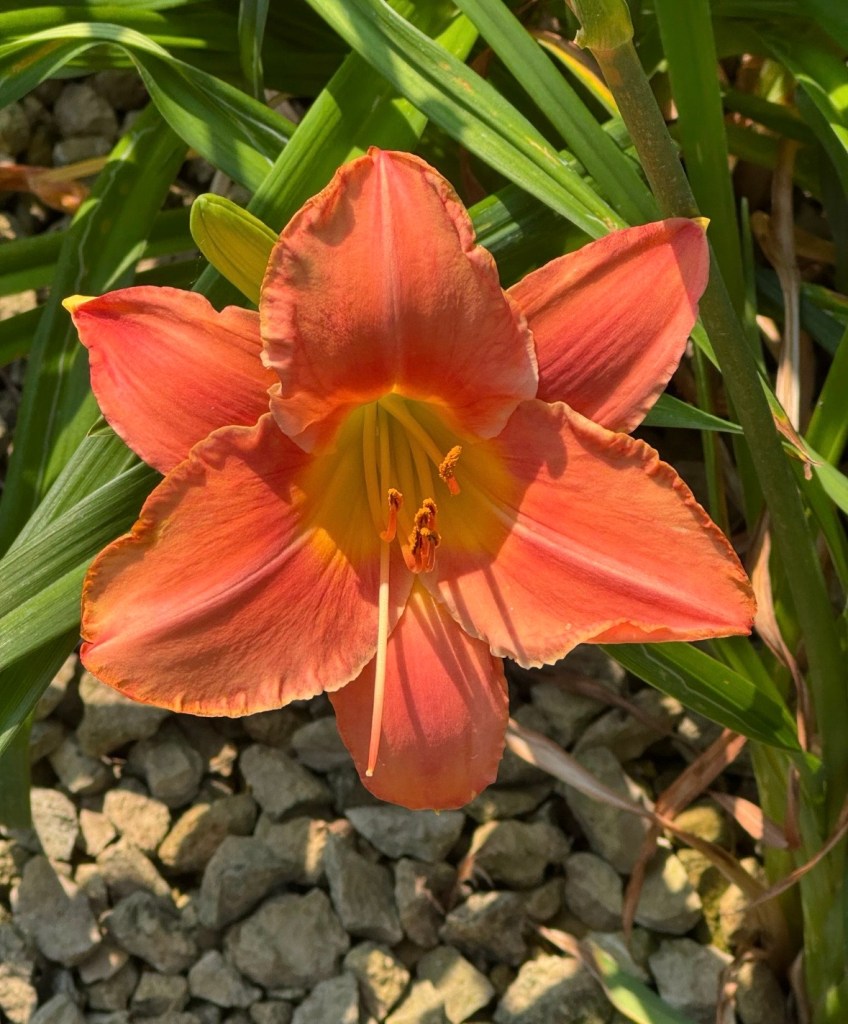
You know the Grand Finale part of fireworks? Here is a Grand Finale share of the South Seas self-seed blooms we had in the 2025 garden. There were a bunch more, but these were a good representation.

Enjoy!

Screenshot
Screenshot
Screenshot
Screenshot
Screenshot
Screenshot
Screenshot
Screenshot
Screenshot
Screenshot
Screenshot
Screenshot
Screenshot
Screenshot
Screenshot
Screenshot
Screenshot
Screenshot
Screenshot
Screenshot
Screenshot
Screenshot
Screenshot

Another South Seas self-seed bloom

This bloom was another beauty. It was from a harvested pod from South Seas self-seed. The South Seas bloom was in 2022. It went to seedling in 2023 and bloomed for the first time in 2025. I dedicated it to my friend Shirley D. I also crossed its last bloom of the season with ‘Red Volunteer’. I have 7 seeds from that cross. If it goes to seedling (in 2026) we would see the first bloom(s) from that cross in 2028-2032. Hybridizing daylilies is a long game. Soooo worth the wait, right?

Kind of miss these, kind of not. Let’s stick with the South Seas self-seed blooms :)

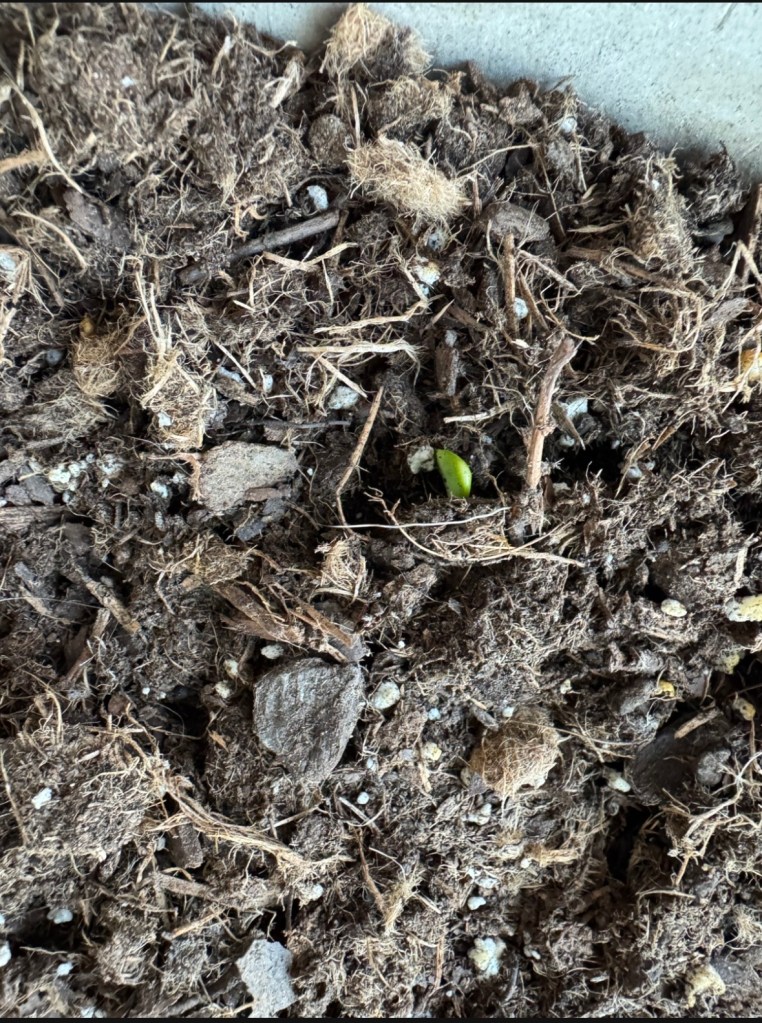
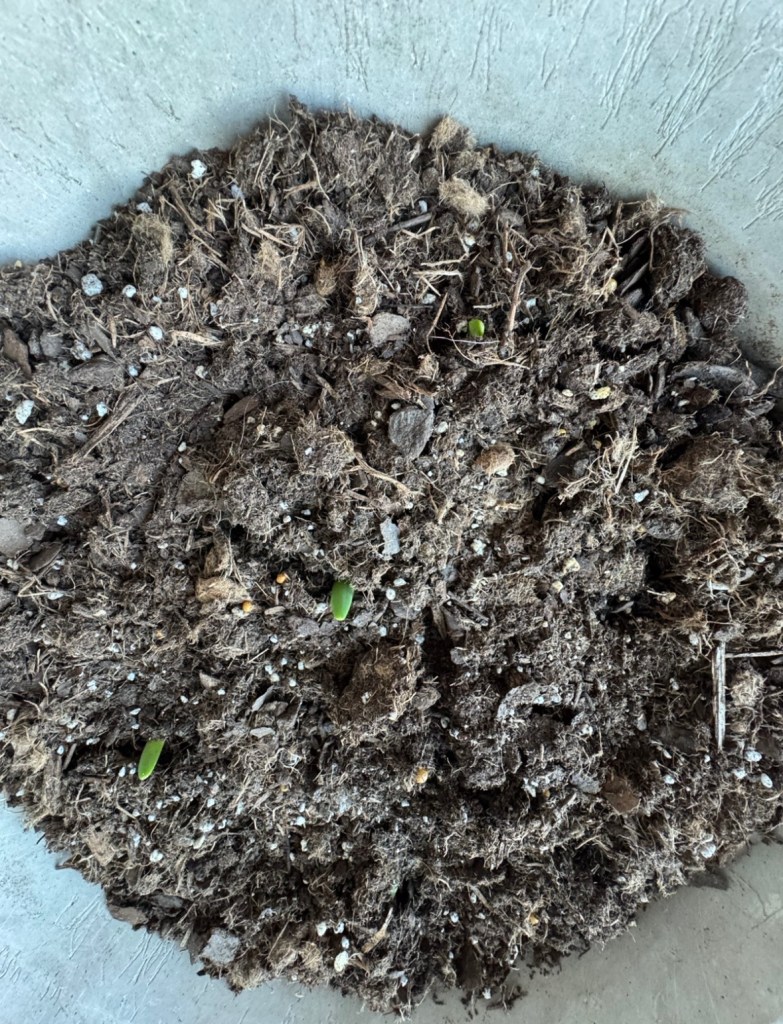
Yesterday when I was reviewing February 16 pics, I had to do a double take at this one. What was it? Green in February in Minnesota?

The next pic brought more clarity.

That was not cement. It was the inside of a plant pot. And then I remembered. It was the annual big pot of forced daffodils. Here’s the story.

Forcing daffodils was super fun for quite a few years. Eventually, however, I “decluttered” that practice. And to be fully transparent, the progression was not solely with daffodils. I started with buying Watch ‘Em Grow gardens. That was kind of spendy, and the containers were cute but hard to repurpose. I decided to DIY and plant a variety of bulbs in large and medium pots for forcing. After the first few years I went to only daffodils because I was planting jumbo bags full of daffodils at the historic cemetery to repel moles. The leftovers went to the forcing pots and then got planted back at the historic garden in Spring when the ground thawed. But forced bulb stems often fall over in pots and don’t look so awesome. Last year they looked pretty bad in pots. As I planted them at the historic cemetery I decided – that was an era, and that era is done.

A few weeks ago, I was kind of missing the forced bulbs. I saw the pretty arrangements of forced tulips in a vase with the jute cord around the glass container at the warehouse store. So cute! I love that look! But rewind the tape – that jute cord is a mess when trying to wash the vase, AND I know I will never reuse that setup. I gathered my strength and discipline, reminded myself I can look, and enjoy, but also that I had already made a decision, last fall, at that same warehouse store, that I am done with forcing bulbs. To start buying forced bulbs in a glass container with jute around it that I will never reuse is a step backwards. Roll the cart forward.

Yesterday I enjoyed the pics from prior years, just like I enjoyed looking at the creations at the warehouse, AND I successfully stayed in my “now” wheelhouse. Where bulbs go into the ground, if I even buy them (rare anymore), and where worms clean the “containers” (dirt) hahaha!

The wheelhouse nowadays is mostly daylilies. And did you think I would pass up a daylily picture today? Not a chance 😉

Today’s South Seas self-seed daylily is another beauty. For my garden and tracking purposes I named it SS Light. South Seas is SS but SS is also Steamship (historical reference to ships that were prevalent during the time our area was settled). And when SS Light first bloomed, it looked to me like a light version of South Seas. I was ready to steamship ahead. It would definitely stay.

Here are three blooms from the same bunch (SS Light). I decided from the first bloom to also see if SS Light would agree to be a pod parent. Coral Majority was also blooming that day, and I could not resist. That established the cross with SS Light as the pod parent, at least for 2025. Two out of three crosses produced seed. I have a total of 10 seeds from those crosses. We will see if the seeds germinate this Spring. Fingers crossed.

Enjoy!

SS Light x Coral Majority (0 seeds)
SS Light x Coral Majority (3 seeds)
SS Light x Coral Majority (7 seeds)

South Seas self-seed blooms Part 2

Screenshot

The farther I go down the daylily propagation path, the more curious I get. That is how scope creeps, but also how experience grows. It is a balance. I am finding my parameters.

As I have shared, daylily self-seed harvesting, planting, and growing to bloom is really appealing to me. I worked lots of years with large amounts of data, and am pretty comfortable with analysis, but nowadays I like a little bit closer to granny rocking chair patio relaxing. Thinking, always thinking, but closer to appreciation, and reflection. Specifically, closer to releasing things with volume or timing stress. Creative? Yes. Absolutely, but lower key creative. Helper creative.

The South Seas self-seed blooms pictured above are super interesting. Notice that the coloring is quite similar, but the features are quite different. They are from the same year’s harvest, but, because I previously stored self-seed all together by daylily type, not individual pod, the pollinator efforts and the conditions may have been different (or not). The resulting two blooms pictured above could have come from the same pod, different seed. They could be different pods, same day. They could be same day, different pods, different pollinators (butterfly, bee …). They could be same day but different weather throughout the day. They could also be different pollinators, different conditions, days apart. Oy! And I could track some of that, but why?

For hybridizing, I do much more tracking. And going forward, how much I am willing to track will depend on how narrow I bring the scope. 5-7 various types of crosses sounds really good to me now, but if I start to try to replicate certain features, or eliminate them, more data may be helpful. However, for self-seed, I am not the pollinator (gasp!). And doggone it, the pollinators are notoriously bad at entering their contributions into my spreadsheet. They do not identify who stopped by, when, or to which bloom(s).

A little more relaxing and just enjoying for these is the message and the theme. That balance sounds good to me this year.

I hope you enjoy today’s pic, and I hope you have a wonderful day!

South Seas Self-Seed Blooms

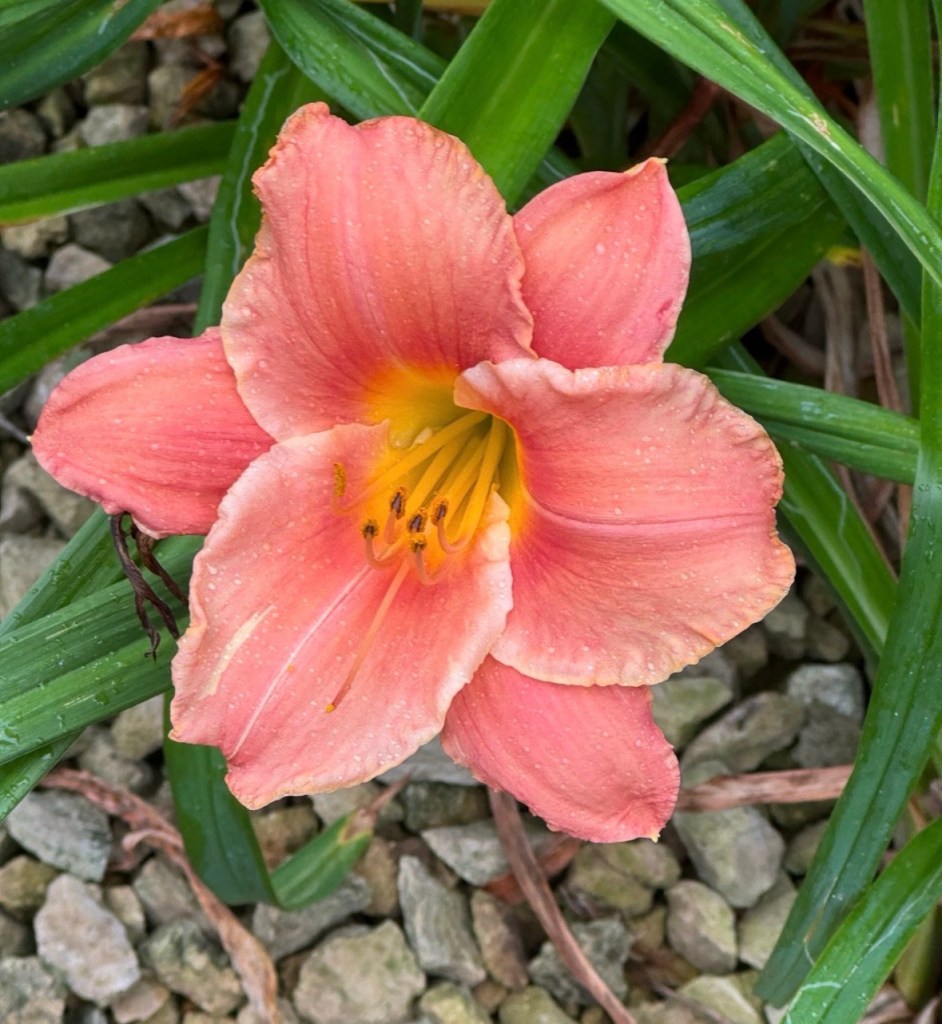
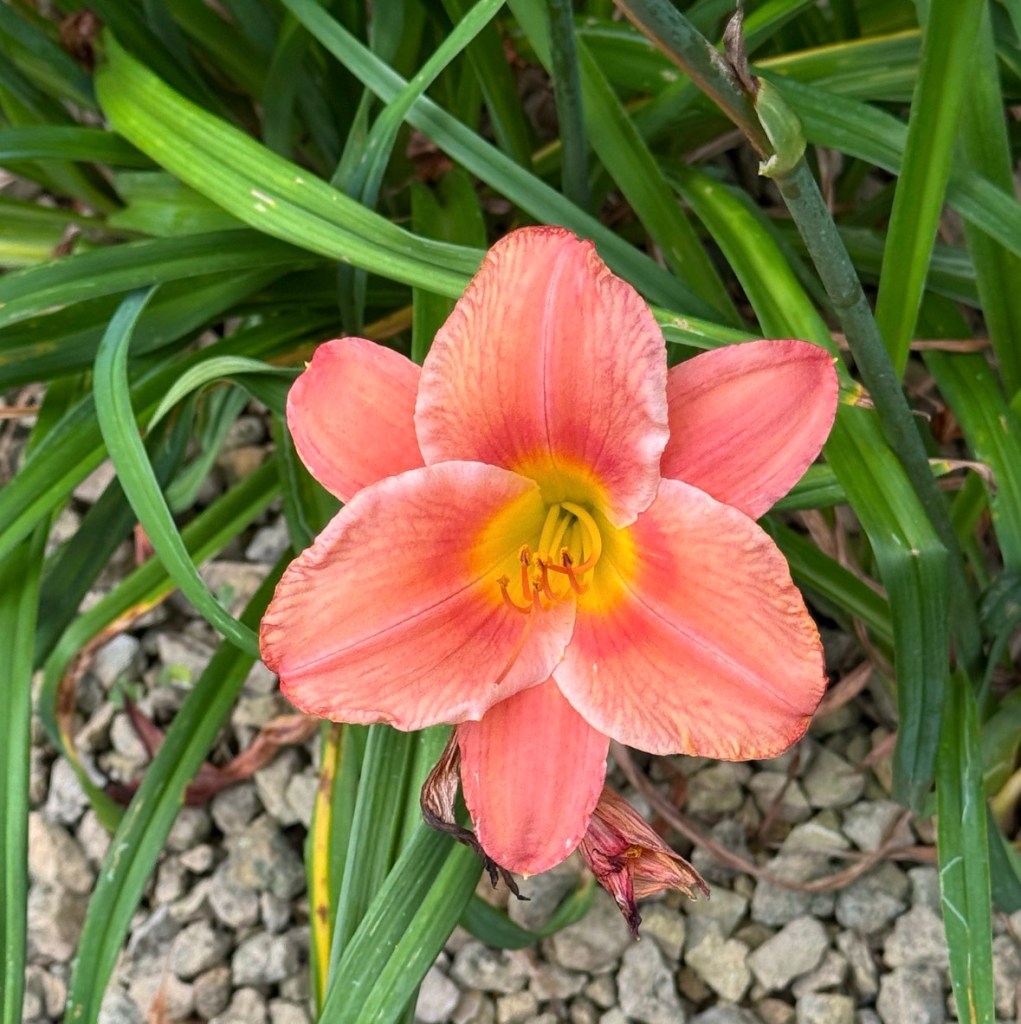
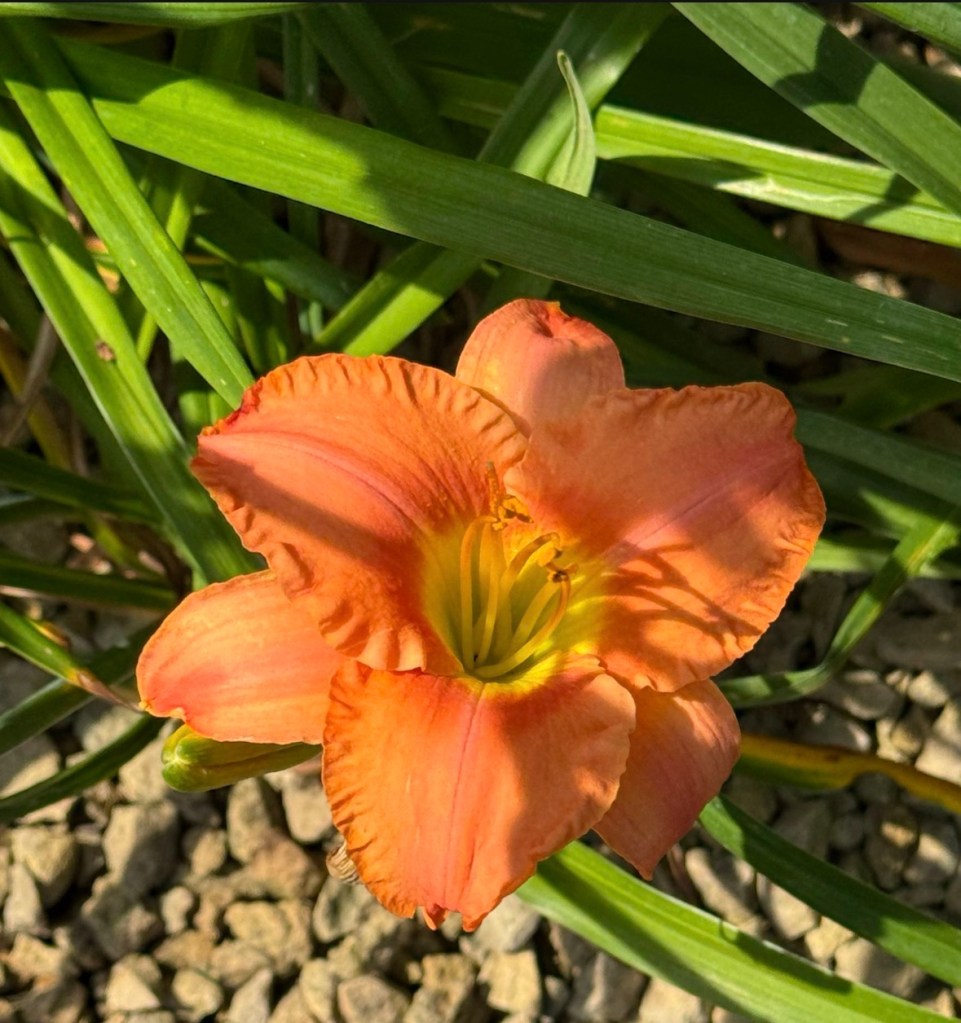
One of the things that has fascinated me is the results of our harvested South Seas daylily self-seed. Those are daylily blooms that result from harvesting seed that pollinators (not me ;)) create. It amazes me how beautiful they turn out, yet with no work from me but to harvest the seed, go through the planting sequence the next spring (stratification, to seedling, protect, plant in late summer), and wait. And sometimes wait and wait and wait lol

A large part of my garden plan, go forward, is to work with self-seed. The South Seas “family” will be the largest effort. South Seas itself had self-seed again in our 2025 garden. If it germinates and goes to seedling this year, we should have blooms by 2028 – 2032 lol. It is slow to bloom, but the results are sooooo worth it.

Here are three examples. I will share more over the weeks to come.