
Looking the past few days at the space I have at the townhouse, what we can reasonably use at the historic cemetery, and all the seedlings, I decided I would buy a 3rd seedling box. It is on its way.
And my husband and I agreed – this is the critical mass year. This is the year daylilies need to start going up north.
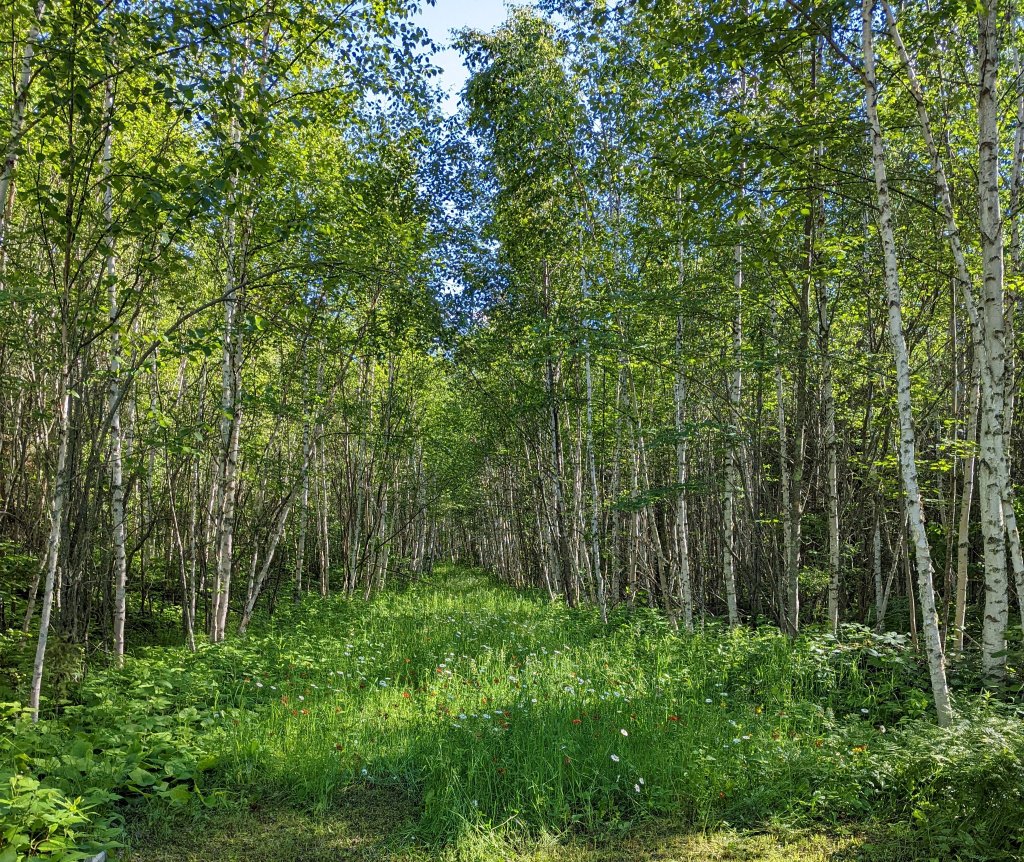
Now, for newcomers, we have land up in far northern Minnesota USA. Along with black bears, bobcats, coyotes, wolves, foxes, of course deer, and a veritable plethora of small game – rabbits, grouse, some squirrels … oh, and a porcupine who seems to have moved on, thank goodness, and a woodchuck who was moved on. Plus a variety of very cool birds including owls. This earth mama, with all the tenderhearted earth and creature loving kindness just oozing out of me in our first year up there, tried a raised bed hugelculture set of gardens (money I sincerely regret spending). They were a wreck within months and such a loss by year two that we pulled them in year three and set the camper over the top of the beds when we built out our shed to cabin. And that was that. Except that I kept propagating daylilies here.
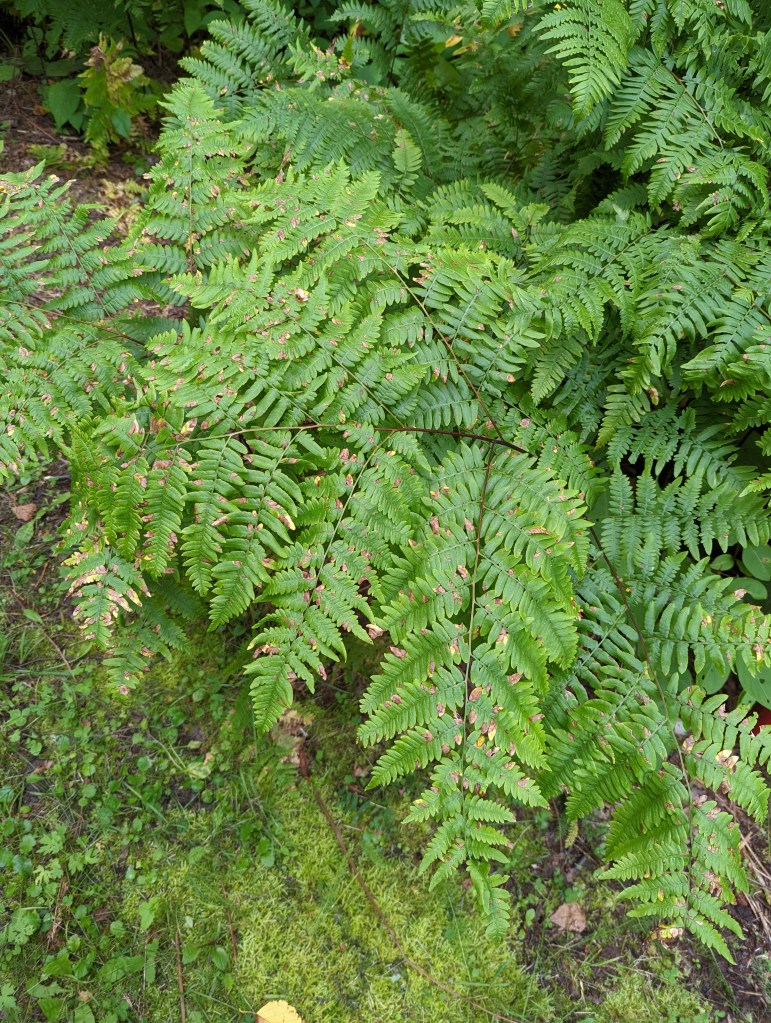
I am now solidly in year seven of this daylily propagation journey, and things are maturing to bloom all over the place. There is no more room after this year, and, truth be told, I now have 38 Molly Cowles seedlings in one seedling box, 14 Mahala Felton seedlings between two seedling boxes, and more coming up every day. We have reached our limit here, and we have perfectly good land for daylilies up north. So … I have picked out a spot on our land where we have good groundwater. I have been bringing my forced bulbs up north and planting them there for a few years. It’s just that when June comes and we are literally awash in in a sea of 4 foot tall ferns, my husband gets out the brush cutter and mows it all down there. Or we get awash in a sea of wood ticks as we walk around camp and to the outhouse. We have both gotten tick born illnesses. Not cool. So the brush cutter rules. Kind of like mouse poison rules after you spend a few sleepless nights listening to the mice skitch in the camper walls and run across your camper counter. Ugghhh.
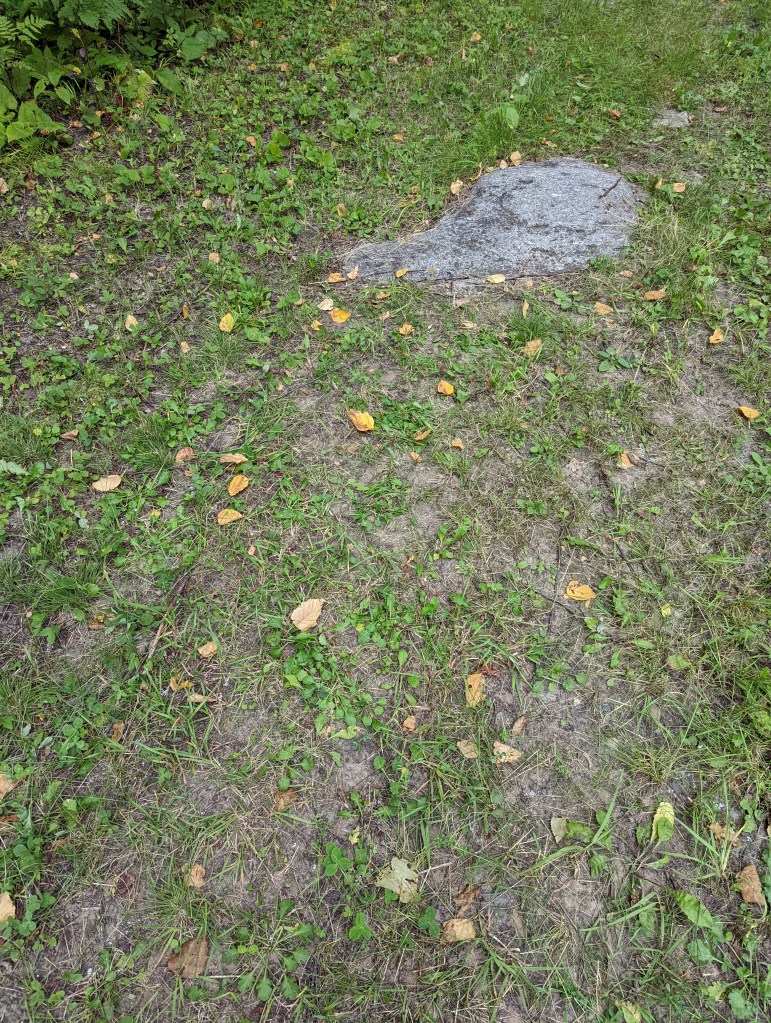
What I need to do is get on my real world panties and get over my objection to landscape fabric, and lay a swath of it down up north and tack it to the ground and make holes for each daylily, and put a cloche over the top of each planting until we get it deer fenced, and let the leaves and pine straw and whatever wood chips and mulch I can harvest from sawing and splitting days cover the landscape fabric … and see what happens. Yep. Right here.

That’s it. Hard stop. Or I can stop propagating daylilies – and “that ain’t happenin’”. 😂

 Susan's Daily Garden